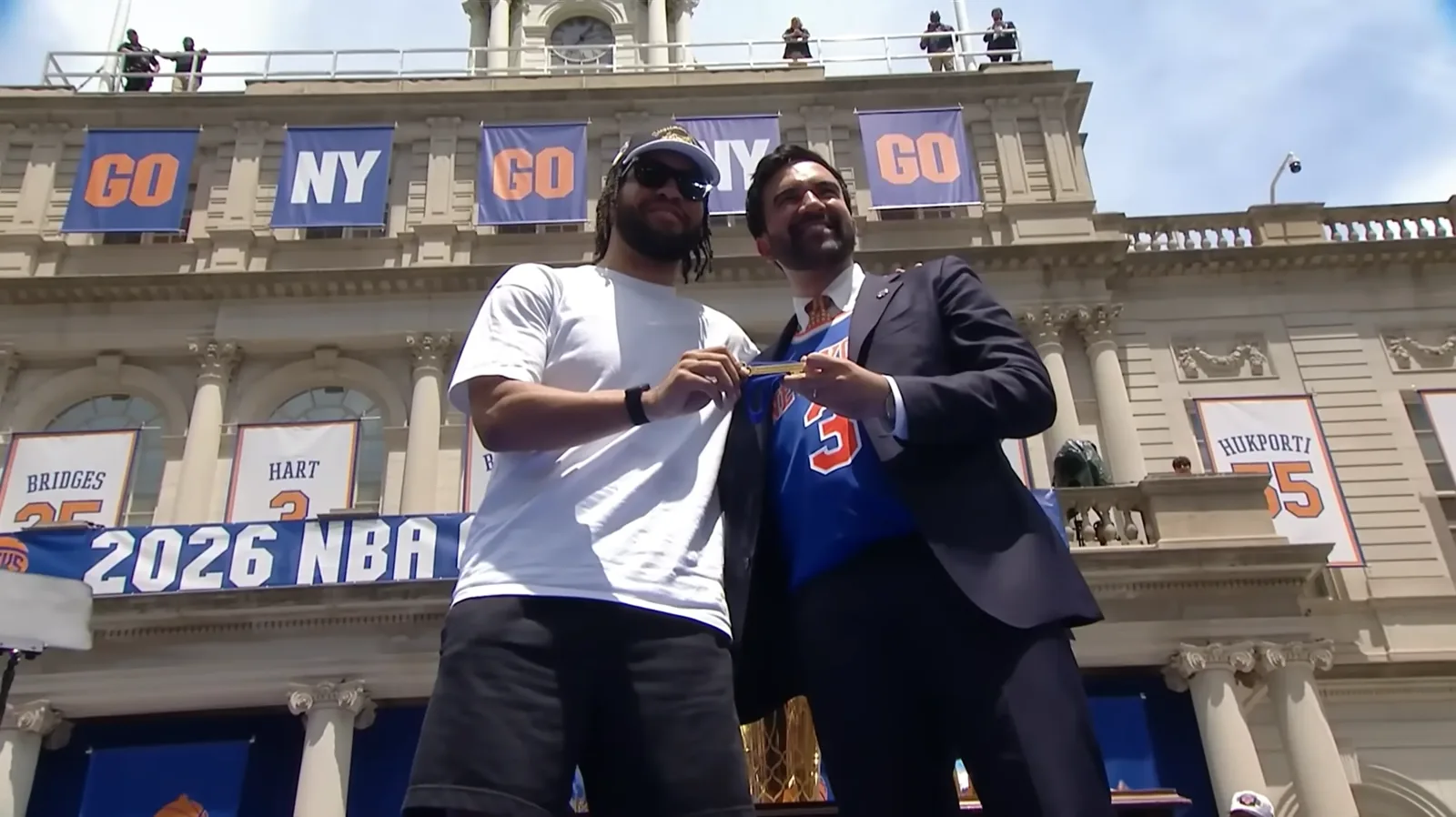
The best 2026-27 NBA predictions are not the ones that pretend August knows April. They show their inputs, separate regular-season depth from playoff shot creation, and explain what would make the forecast fail. This guide projects every conference tier, the 2027 playoff field and the teams with a defensible Finals path as of August 29, 2026.
How these 2026-27 NBA predictions were built
The starting point is 2025-26 team quality, not reputation. The NBA's official advanced team table had Oklahoma City first in net rating at plus-11.1. San Antonio, Detroit and Boston were clustered around plus-8, while eventual champion New York finished at plus-6.4. That matters because point differential usually reveals more about a team's repeatable 82-game level than one close playoff series. It is a baseline, however, not a verdict: New York's championship is evidence that lineup versatility, late-game execution and matchup answers matter more as the field narrows.
1. Baseline
Record, net rating and two-way profile.
2. Roster
Adds, losses, fit and usable depth.
3. Health
Availability, age and workload risk.
4. Growth
Young-player gains versus regression.
5. Context
Continuity, travel and schedule density.
The largest adjustment is personnel. The NBA's 2026 offseason trade tracker records Jaylen Brown joining Philadelphia, Giannis Antetokounmpo and Bobby Portis moving to Miami, Ja Morant landing in Portland and a long list of supporting changes. Those moves raise ceilings, but a famous starting five does not automatically create regular-season durability. Philadelphia's veteran stars, for example, may be more dangerous in a healthy seven-game series than their nightly availability suggests.
Schedule context is a smaller but real input. The league says teams average a record-low-for-this-Cup-era 14.2 back-to-backs and face no four-games-in-five-nights stretches in the 2026-27 calendar. That reduces one source of fatigue without eliminating travel, rest management or NBA Cup uncertainty. Two games per team still depend on Cup results.
Eastern Conference projected standings and tiers
New York gets the top line because the defending champion combines continuity with a proven half-court closer, not because a repeat is automatic. Philadelphia may own the East's highest one-series ceiling after adding Jaylen Brown and LeBron James, but an 82-game projection must discount the availability risk attached to James and Joel Embiid. Detroit's 60-win 2025-26 deserves to be treated as a real two-way foundation. Miami's Giannis Antetokounmpo-Bam Adebayo pairing creates a terrifying defensive and transition identity, though half-court spacing and a remade rotation need proof.
| Seed | Team | Win band | Primary swing factor |
|---|---|---|---|
| 1 | Knicks | 51-57 | Title carryover without a workload hangover |
| 2 | 76ers | 49-56 | Embiid/James availability and new-star fit |
| 3 | Pistons | 49-55 | Sustaining an elite defense |
| 4 | Celtics | 47-53 | Replacing Brown's creation |
| 5 | Heat | 46-53 | Spacing around Antetokounmpo and Adebayo |
| 6 | Cavaliers | 45-51 | Healthy perimeter depth |
| 7 | Magic | 44-50 | Enough shooting for the big wings |
| 8 | Pacers | 43-49 | Backcourt health and pace |
| 9 | Raptors | 41-47 | Half-court scoring stability |
| 10 | Hawks | 40-47 | Converting defense into reliable offense |
| 11 | Hornets | 36-43 | Guard availability and defensive floor |
| 12 | Bucks | 33-40 | Direction after the Giannis trade |
| 13 | Bulls | 30-37 | Young-guard efficiency |
| 14 | Nets | 25-33 | Development versus lottery priorities |
| 15 | Wizards | 22-30 | How quickly the young core scales |
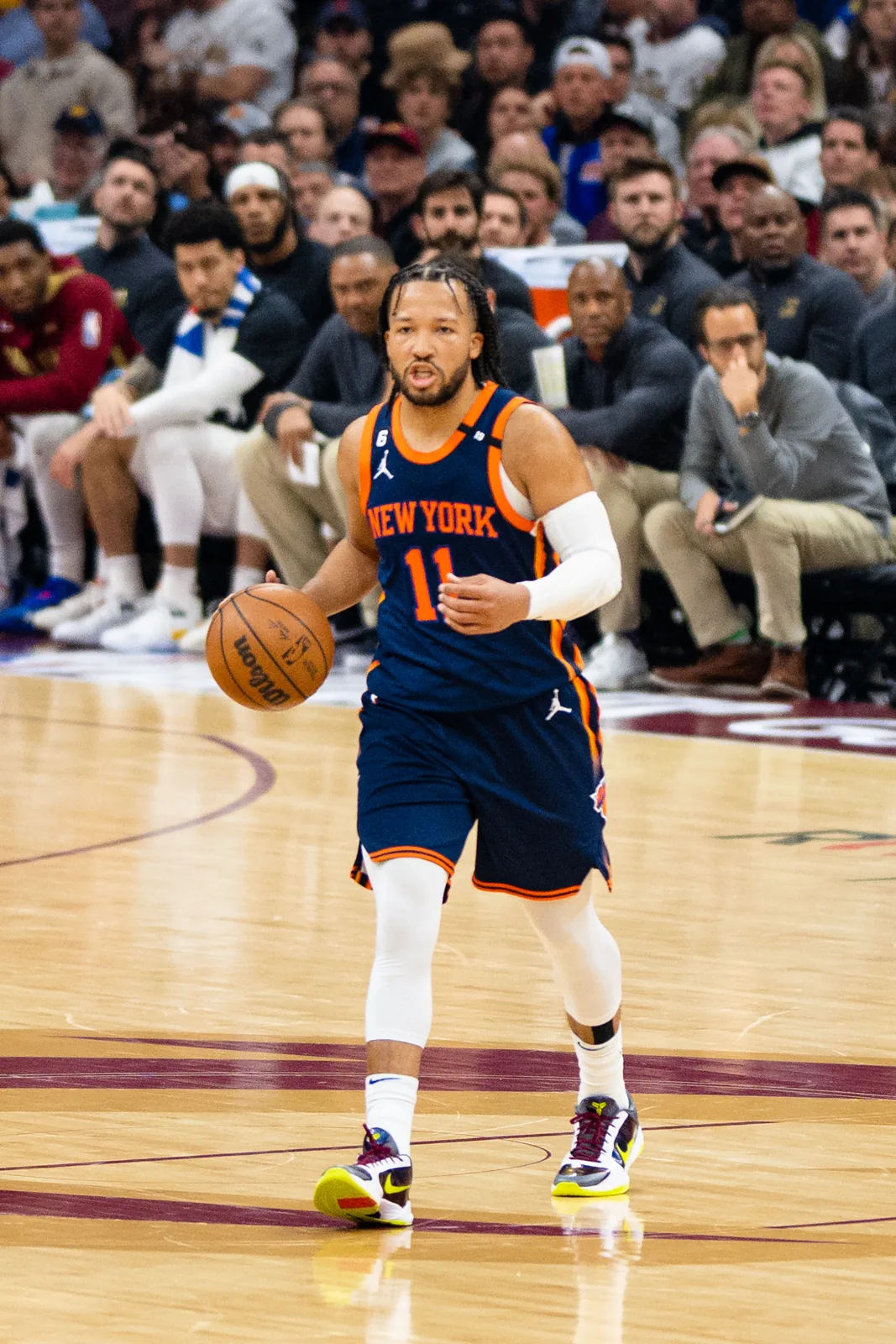
The most important distinction is between seed probability and series danger. Philadelphia could finish second while being the opponent nobody wants if its stars are healthy in April. Miami could land fifth for similar reasons. Conversely, Detroit is easier to trust over six months because its defense and depth already produced the East's best 2025-26 regular-season record, yet it still must show a reliable late-clock playoff answer.
Seeds seven through ten are nearly one tier. Orlando's size gives it the best defensive floor; Indiana's transition ecosystem can overwhelm slow teams; Toronto's wings create lineup flexibility; Atlanta's reworked perimeter group can rise if the offense remains organized. The cut line is unforgiving: Charlotte can enter the race with better health, while Milwaukee's return from the Antetokounmpo trade points more toward retooling than immediate contention. That is why the bands overlap—and why one healthy month can reorder half the conference.
Western Conference projected standings and tiers
San Antonio gets a narrow regular-season edge over Oklahoma City because Victor Wembanyama changes both ends without requiring one specific lineup around him. The Thunder remain the safer depth bet and owned the league's best 2025-26 net rating, so flipping those two seeds would not qualify as an upset. The larger drop comes after them: every team from Minnesota through the Clippers has a credible route to the top six and an equally plausible route into the play-in.
| Seed | Team | Win band | Primary swing factor |
|---|---|---|---|
| 1 | Spurs | 58-64 | Wembanyama's health and another creation leap |
| 2 | Thunder | 57-63 | Absorbing depth losses while keeping the defense elite |
| 3 | Timberwolves | 49-55 | Half-court offense around the star core |
| 4 | Nuggets | 48-54 | Two-way depth behind the creators |
| 5 | Lakers | 47-54 | Defense and pace in the post-LeBron structure |
| 6 | Rockets | 47-53 | Late-game shot creation |
| 7 | Trail Blazers | 44-51 | Morant availability and backcourt balance |
| 8 | Warriors | 43-49 | Veteran availability across 82 games |
| 9 | Jazz | 42-49 | Guard efficiency and lineup defense |
| 10 | Clippers | 40-47 | Health and wing-size tradeoffs |
| 11 | Mavericks | 34-42 | New pieces forming a coherent offense |
| 12 | Pelicans | 33-41 | Zion Williamson's games played |
| 13 | Suns | 30-38 | Young-player development |
| 14 | Kings | 27-35 | Long-term direction and defensive floor |
| 15 | Grizzlies | 24-33 | Reset after moving Morant |
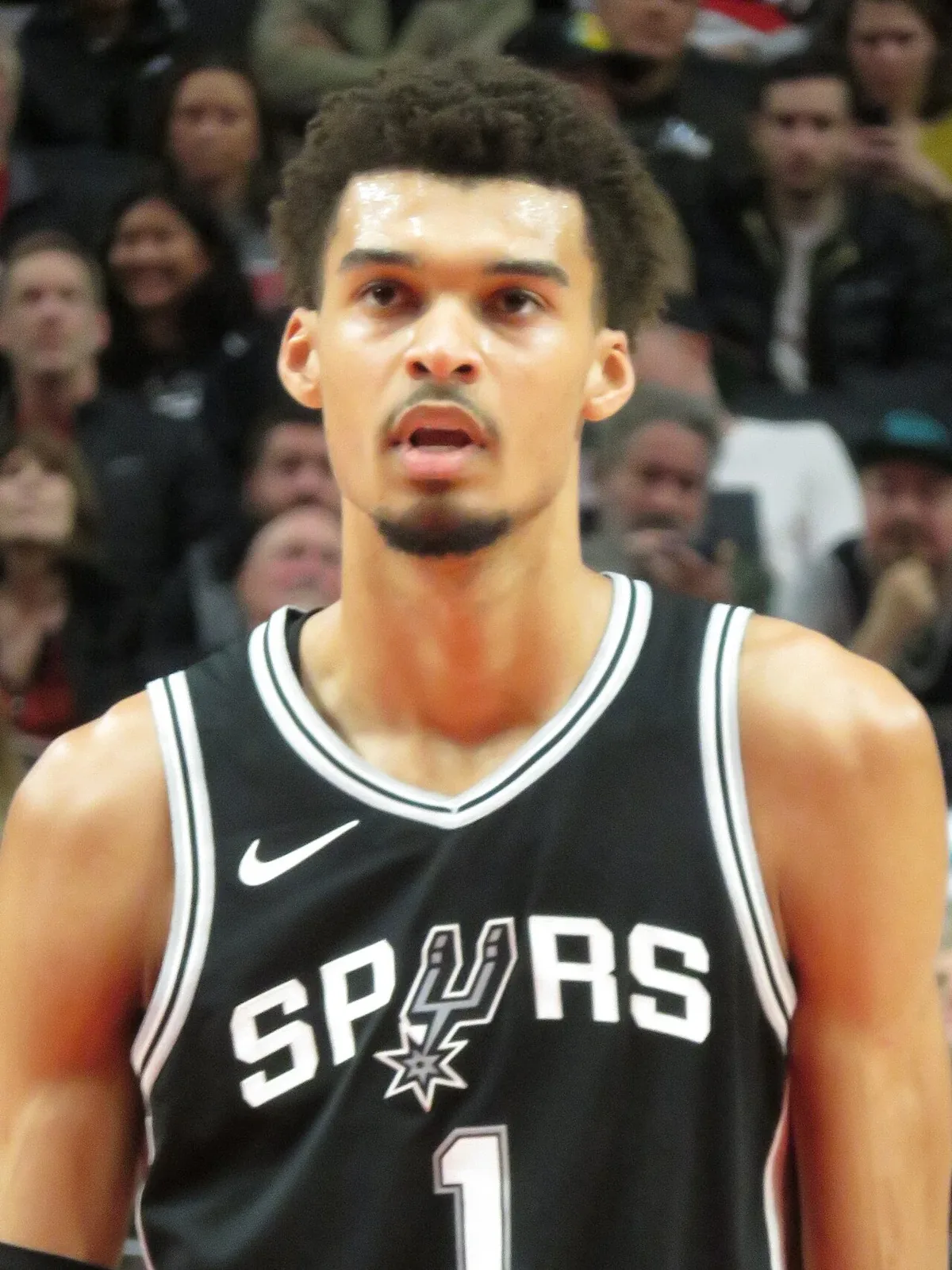
Why San Antonio by one slot? The Spurs won 62 games and reached the 2026 Finals, while Wembanyama supplies the rare playoff tool that also travels nightly: rim protection without surrendering offensive skill. Oklahoma City's 64 wins and plus-11.1 net rating make a powerful counterargument. The Thunder's median barely moves, but the official offseason log shows outgoing rotation pieces, so continuity is not quite identical to last year.
Portland is the conference's widest-range team. Ja Morant can manufacture paint touches that change a playoff offense, yet integrating a high-usage guard and managing availability makes a 50-win breakout and a play-in stumble believable. The Lakers' Walker Kessler addition can address size, but LeBron's departure shifts more creation and defensive burden onto the remaining core. At the bottom, these projections are directional: Dallas and New Orleans possess enough talent to beat the band if healthy; Memphis and Sacramento may value development and future flexibility more than squeezing out the tenth seed.
Projected playoff field and the matchups that could break the bracket
The clean projection sends New York, Philadelphia, Detroit, Boston, Miami and Cleveland directly into the East bracket. Orlando beats Indiana in the 7-8 play-in game for the seventh seed; Indiana then survives the Toronto-Atlanta winner for eighth. In the West, San Antonio, Oklahoma City, Minnesota, Denver, the Lakers and Houston qualify directly. Portland's downhill creation earns seventh over Golden State, and the Warriors use their experience to take the final berth after the 9-10 path.
Projected East field
Direct: Knicks, 76ers, Pistons, Celtics, Heat, Cavaliers
Through play-in: Magic, Pacers
First four out: Raptors, Hawks, Hornets, Bucks
Projected West field
Direct: Spurs, Thunder, Timberwolves, Nuggets, Lakers, Rockets
Through play-in: Trail Blazers, Warriors
First four out: Jazz, Clippers, Mavericks, Pelicans
That path follows the NBA play-in structure: teams one through six are safe, seven and eight need one win in two chances, and nine or ten must win twice. A one-game forecast should therefore be held much more loosely than a series pick. Hot shooting, foul trouble or one unavailable initiator can erase the difference between a 44-win and 40-win team in a night.
Three style collisions that can overturn seed order
- Philadelphia versus New York: The Sixers' size and multi-star creation can stress switches, but New York can attack older legs, offensive rebounds and transition defense over a long series.
- Miami versus Detroit: Detroit has the stronger regular-season continuity case; Miami has the superstar who can collapse a playoff game plan and a defense capable of changing coverages possession to possession.
- Minnesota or Houston versus the top two: Physical defenses can make San Antonio and Oklahoma City work, yet each challenger must still generate efficient offense late when transition opportunities disappear.
The warning comes from the official 2026 bracket. San Antonio beat a 64-win Oklahoma City team in seven, and third-seeded New York ultimately beat the Spurs 4-1. Seeds describe the route and home court. They do not neutralize the particular defender, spacing problem or late-game creator waiting in the next round.
The real 2027 title contenders
A contender needs more than a strong projected record. The minimum is an elite two-way identity, at least one creator who can solve set playoff defenses, enough lineup flexibility to survive four different opponents and a believable health path. By that standard, four teams enter the inner circle and three more have a credible argument.
Inner circle: Spurs, Thunder, Knicks, 76ers
San Antonio has the league's most disruptive defensive piece and a Finals-tested young core. Oklahoma City brings the strongest prior-season differential and elite pressure defense. New York owns the championship proof, late-game guard creation and versatile wings. Philadelphia has the most overwhelming on-paper star group, but it also has the widest health-dependent gap between ceiling and median outcome.
Credible challengers: Heat, Timberwolves, Nuggets
Miami can build a postseason defense around Giannis Antetokounmpo, Bam Adebayo and Erik Spoelstra's adaptability. Minnesota has physical defenders and a primary scorer who can win difficult shot-making games. Denver retains a playoff offense organized by an all-time-level hub, which gives it a series ceiling higher than its regular-season seed may suggest.
One proof short: Pistons, Celtics, Cavaliers, Lakers, Rockets
Detroit must translate its regular-season defense into dependable late-round offense. Boston must replace Brown's downhill creation. Cleveland needs its best lineups healthy at the same time. The Lakers need a top-tier defense around their new structure, while Houston must solve end-of-game creation against switching playoff opponents.
The new East powers have opposite roster questions. Philadelphia officially adds LeBron to a group featuring Embiid, Tyrese Maxey and Brown, an extraordinary concentration of passing, scoring and playoff experience. The basketball question is not whether those players know how to win; it is how many shared games they get and whether the supporting defense survives against younger opponents. Miami's official Giannis deal creates perhaps the conference's best defensive frontcourt, but trading multiple rotation players means the Heat must find shooting and ballhandling around that strength.
Current title markets are a useful expectation check, not a model. A post-schedule odds roundup placed San Antonio and Oklahoma City ahead of New York and Philadelphia. That broadly matches the stronger West regular-season baselines, but it cannot price tomorrow's injury or guarantee playoff fit. The defending champion remains in the first tier because it has already answered questions a futures board can only estimate.
Finals pick, upset calls and what could change the forecast
August 29 prediction
Thunder over Knicks in six games
Oklahoma City's point-differential foundation, defensive event creation and multiple perimeter decision-makers earn the narrow pick. New York returns because its late-game offense and wing versatility remain the East's most dependable playoff package.
This is deliberately not the same as the standings pick. San Antonio has the better median seed in this forecast, but Oklahoma City gets the smallest possible series edge because it can pressure the ball, create extra possessions and attack with more than one handler. The upset call is that the second-seeded Thunder beat the first-seeded Spurs in a seven-game Western final, reversing 2026. The East call is New York over Philadelphia, with the Sixers' healthy version capable of making that prediction look foolish.
Two secondary calls: Miami wins a first-round series despite finishing outside the top four, and one of Minnesota, Denver or Houston eliminates a higher seed. Those are not attempts at shock value. They follow the central distinction in this guide: regular-season depth produces seed position, while playoff opponents can concentrate minutes around the few lineups that solve a specific coverage.
When to reforecast
- Training camp and preseason: The NBA lists September 29 for camps and October 3 for preseason. Confirm which stars are full participants and which new combinations actually start.
- Opening night: October 20 gives immediate Knicks-76ers and Spurs-Thunder tests. Treat one result as film evidence, not a new season-long sample.
- The 20-game mark: Recheck net rating, shot profile, turnover rate, opponent quality and games missed. This is the first useful statistical audit.
- February 11 trade deadline: One rim protector, shooter or secondary handler can change a playoff matchup more than two positions in the standings.
- April 11 finale: Replace every projection with the real standings, then reassess health and bracket paths before the April 13-16 play-in.
Those dates come from the NBA's official 2026-27 key-dates page. Until the evidence changes, the compact answer is Spurs and Thunder atop the West, New York leading a deeper and reshaped East, and Oklahoma City as the narrow championship choice. Save the ranges, not just the seed numbers: uncertainty is not a flaw in a preseason forecast; it is the most honest part of one.
Sign in with Google to join the discussion.