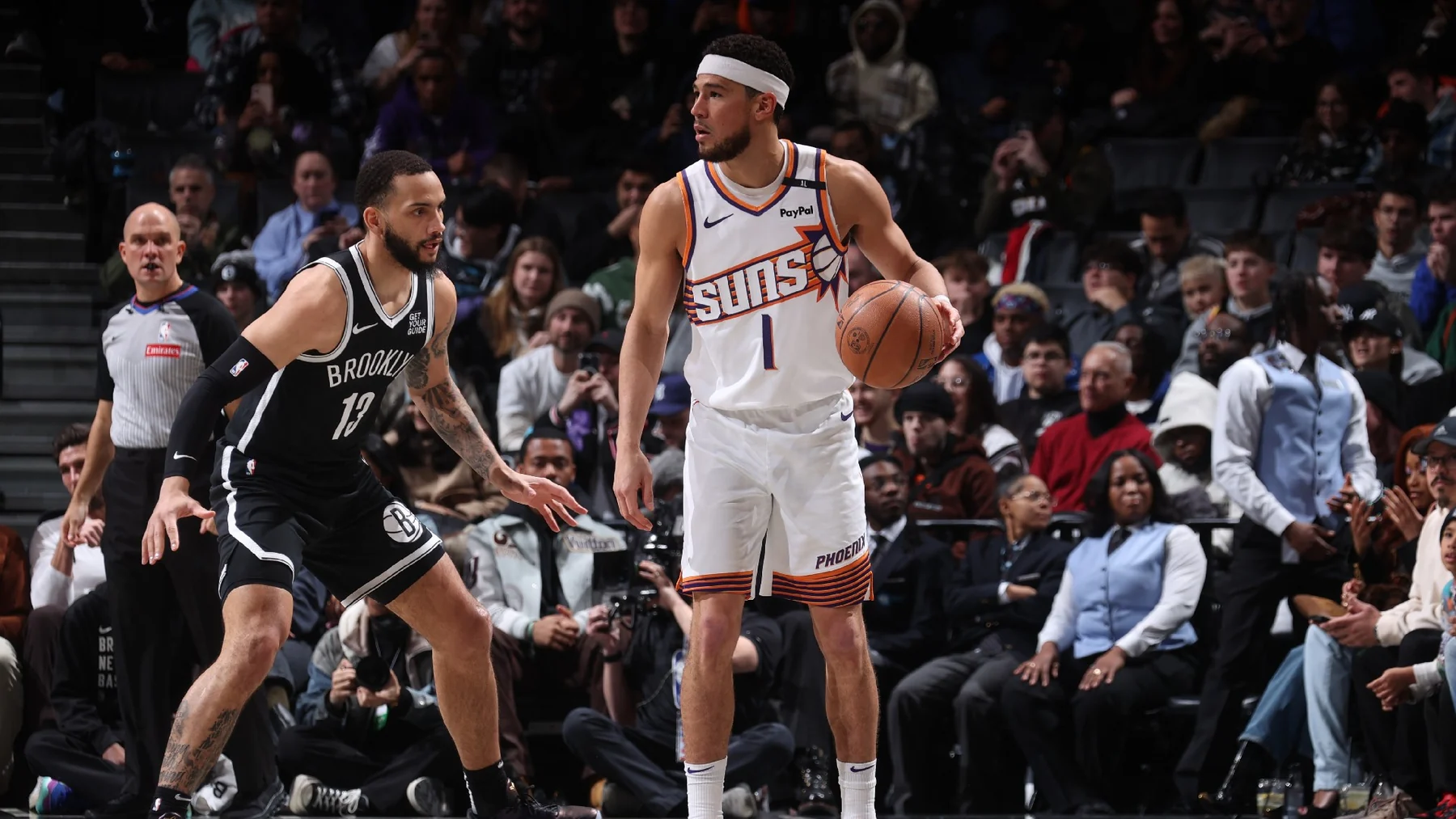
The 2026 NBA preseason starts October 3, but the full slate is still distributed
The first confirmed 2026 NBA preseason game is Saturday, October 3, when Toronto meets Miami in Quebec City. The regular season opens October 20, leaving a little more than two weeks for exhibition games, roster decisions and system installation. That is the reliable league-level frame as of August 16, 2026.
What fans should not assume is that every matchup sits in one stable, complete national table. The NBA's key-dates page highlights major showcase events, while individual clubs have published their own slates. Boston announced four games; the Lakers published five; Dallas listed four. Those releases are official, but they arrive as separate pieces with different local time conventions, broadcast notes and ticket-sale details.
Confirmed status at the freshness cutoff
- Confirmed: preseason begins Oct. 3; Canada and Macao showcase matchups are league-announced.
- Confirmed: multiple clubs have issued full team preseason schedules.
- Not treated as complete here: a centralized, fully verified all-30-team grid with every broadcaster.
This distinction prevents two common errors. Search results can surface the previous season's completed exhibition schedule, especially when the page title simply says “NBA Schedule.” And a team announcement may list only its own broadcast, which does not guarantee the same service is available in the opponent's market. Always check the season label, publication date and time zone before saving a game.
Use this guide as a confirmation map rather than a frozen master list. The 2026-27 NBA schedule becomes the best game-level tool once the preseason selector is fully populated; until then, the league's key dates and linked team announcements are the safer primary sources. The sections below separate what is fixed from what still needs a final check.
Canada and Macao provide the confirmed international anchors
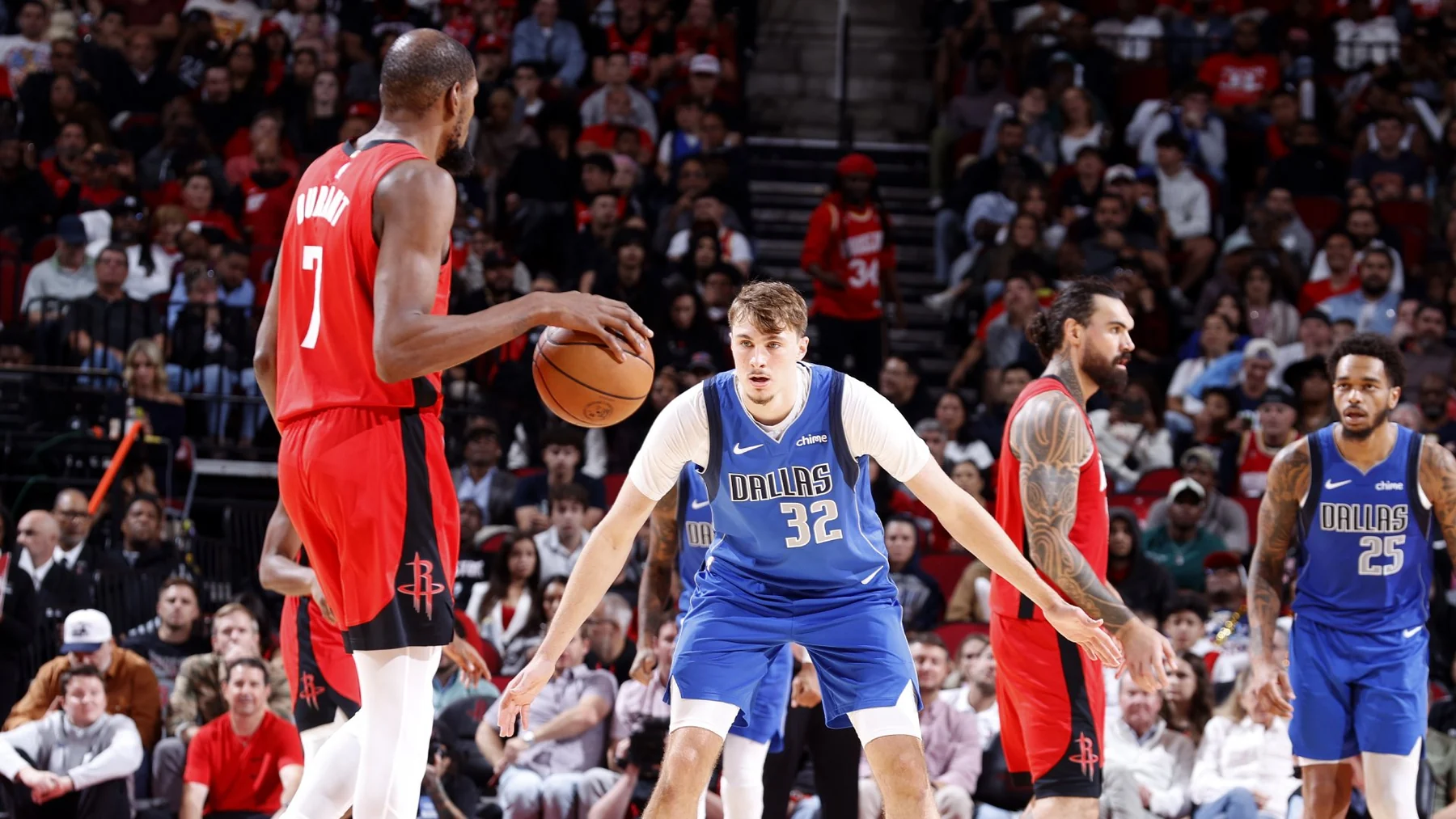
Four league-announced games form the clearest part of the preseason map. Toronto plays Miami at Videotron Centre in Quebec City on October 3, the first NBA preseason game staged in that city. The Raptors then meet the LA Clippers at Rogers Arena in Vancouver on October 10. Between those dates, Dallas and Houston play twice at The Venetian Arena in Macao on October 9 and 11.
| Date | Matchup | Venue |
|---|---|---|
| Oct. 3 | Raptors vs. Heat | Videotron Centre, Quebec City |
| Oct. 9 | Rockets vs. Mavericks | The Venetian Arena, Macao |
| Oct. 10 | Raptors vs. Clippers | Rogers Arena, Vancouver |
| Oct. 11 | Mavericks vs. Rockets | The Venetian Arena, Macao |
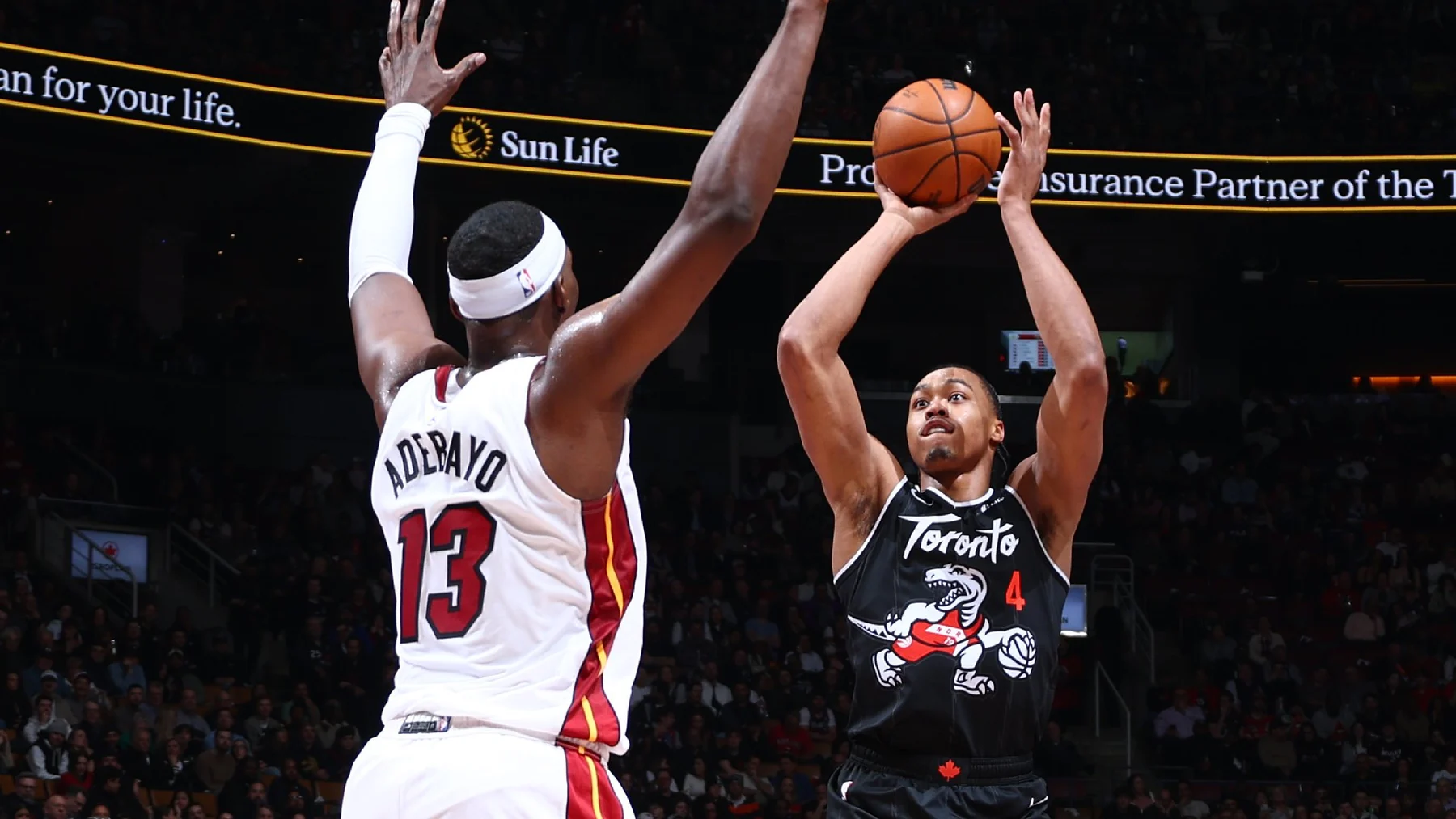
These are meaningful travel projects, not neutral-site decorations. Players involved in games outside North America can report September 21 and start camp September 22, a week before the general camp opening. For Dallas and Houston, the extra runway helps with long-haul travel, time-zone adaptation and sponsor obligations. Their coaches must still decide how much of scarce practice time goes to basketball installation versus recovery.
Dallas lists the Macao starts as 7 a.m. and 5 a.m. Central time, a reminder that the local event date and the viewer's date can diverge. The Canada release says the games will reach international audiences, but Canadian broadcast specifics were not yet announced at the cutoff. Confirm the NBA TV schedule close to tipoff rather than treating an event's global distribution promise as a channel assignment.
Evaluation also changes on a neutral floor. Familiar home routines disappear, travel parties are larger and crowd allegiance can be mixed. That noise makes these games useful tests of communication, but poor shooting after an intercontinental trip should not be promoted into a regular-season forecast. The setting is real; the sample remains tiny.
Team releases fill in the domestic schedule one club at a time
The team-by-team publication model becomes clear when three official slates are compared. Boston plays four games from October 8-16: at Cleveland, home against Philadelphia and Charlotte, then at Philadelphia. The Lakers play five from October 5-16, including a back-to-back at Sacramento and Golden State and an October 13 neutral-site game against the Warriors in Las Vegas. Sacramento also lists five, with its Lakers games matching Los Angeles' dates.
That opponent cross-check is useful. If Sacramento says it hosts the Lakers October 5 and the Lakers say they visit Sacramento that night, confidence rises. Conflicts should send a reader back to the latest timestamp rather than invite guesswork. Venue pages can also update after an early news release, so a team schedule should be checked again before travel.
Broadcast information illustrates why “on TV” needs a market label. Boston says all four games will appear on NBC Sports Boston and its app. Sacramento assigns games between Kings+ and NBC Sports California. The Lakers list Spectrum SportsNet for their full slate. Those are legitimate team-market answers, but they do not automatically describe out-of-market access, blackouts or the opponent's feed.
For a club you follow, start at the NBA team schedules directory, then open the team's official release for the venue and local broadcaster. Record the date with its stated time zone. This process is less satisfying than one giant graphic, but it is more reliable during a staggered rollout—and it leaves room for the centralized schedule to become the final authority when all feeds have synchronized.
Preseason results matter less than roles, schemes and health
A preseason score is real, but its predictive value is weak. Star minutes are limited, coaches stagger starters, and the fourth quarter may be decided by players competing for two-way or G League opportunities. The more useful questions are repeatable: who initiates the second unit, which big defends at the level of the screen, and whether a new wing is trusted to make the low-man rotation on time.
Role signal
Minutes with established starters, primary ball-handling reps and closing-lineup appearances reveal hierarchy.
Scheme signal
Coverage choices, spacing locations and transition rules show what a staff is installing.
Health signal
Availability and workload matter, but an absence can be planned management rather than a setback.
Rookies deserve similar restraint. A first-year guard can score 20 against a deep reserve unit without proving he can organize an NBA offense against starters. Conversely, six points may hide strong screen navigation, correct passing reads and low-turnover decision-making. Coaches are evaluating whether a skill survives NBA speed, not running an October award ballot.
Scheme experiments also need context. A team might switch every ball screen for one half specifically to test communication, even if it plans a more conservative regular-season coverage. A coach may place a non-shooter in the dunker spot to see whether the offense can preserve driving lanes. The experiment failing is information, not necessarily a forecast.
Health is the hard boundary. Joel Embiid's 2024 preseason absence for knee management illustrated why “did not play” cannot be decoded without a team explanation. Avoid turning planned rest into injury reporting or a brief cameo into proof of full readiness. The best preseason analysis describes what happened, names the lineup context and waits for repetition before declaring a trend.
TV, streaming and ticket details require a second confirmation
Preseason availability is less uniform than the regular-season national package. A team can announce a local channel months ahead while the opponent's market or an international rightsholder remains unsettled. Boston's official release names NBC Sports Boston and its app for all four games. Sacramento divides its slate between Kings+ and NBC Sports California. The Canada Games release promises broad distribution but says Canadian broadcast details will come later.
That is not a contradiction; it is a rights map. A listing answers only the territory and platform it names. “Streaming on the NBC Sports app” may require authentication and market eligibility. A team-branded direct-to-consumer service may have geographic limits. League Pass should not be promised merely because it carried a similar game last year.
Five checks before tipoff
- Confirm the season and exhibition label, not just the teams.
- Convert the stated local time to your time zone.
- Read whether the channel is national, regional or direct-to-consumer.
- Open the platform's game page to check authentication or blackout language.
- Recheck on game day for late production or schedule updates.
Tickets need the same discipline. Canada Games tickets were scheduled to go on sale August 20, four days after this article's cutoff. Boston and Los Angeles announced separate home-sale windows; Sacramento directed fans to a presale signup. A news release announcing a future onsale is not an active inventory guarantee. Use the team or venue's linked seller, verify the building and date, and avoid assuming a neutral-site game is included in a season-ticket package.
Once fixtures settle, the NBA calendar is convenient for reminders. Keep the ticket confirmation and original team release alongside it. Calendar files can preserve an early time after a listing changes, while the live team page can reflect the update.
Use the final preseason week to prepare for Opening Night
The last exhibitions are decision games, even when the scoreboard remains secondary. Opening Day rosters must be set by 5 p.m. ET on October 19, one day before the regular season begins. Teams can carry up to 15 standard-contract players plus three two-way players, so the final competition is often about the fifteenth standard spot, a two-way slot or which waived player can be directed toward the G League affiliate.
That context changes how to watch a deep reserve's minutes. A player may be evaluated on whether he can execute one bankable NBA skill—defend point of attack, rebound his position, make the next pass—rather than display a star's shot diet. Contract status, team salary and positional need shape the decision alongside performance. A 25-point finale does not automatically displace a guaranteed veteran; a quiet game does not erase a month of strong practices.
For rotation players, the priority shifts toward clean execution and health. Coaches want the primary groups to recognize actions without excessive play-calling, communicate in transition and understand substitution patterns. They do not need to expose every regular-season counter. Veteran stars may play shortened stints or sit, while new combinations receive just enough time to identify the next practice problem.
Final-week fan workflow
- Recheck the final exhibition's time and broadcaster.
- Separate confirmed injuries from planned rest.
- Note who shares the floor with starters and who handles the second unit.
- Wait for the official roster before assuming a camp player made the team.
- Move your tracking to the regular-season schedule after Oct. 19.
The regular season opens October 20, so there is almost no spare runway after the last team exhibitions on October 16. Clubs returning from travel have to recover, cut the roster and prepare a real opponent at once. That compression is why preseason conclusions should stay modest: the games reveal priorities, not finished products.
From Opening Night onward, use NBA games today for the live slate and team pages for club-specific changes. Until then, treat every preseason schedule as a dated snapshot. Confirmed information is already useful; pretending the fragmented pieces are more complete than they are only makes planning worse.
Sign in with Google to join the discussion.