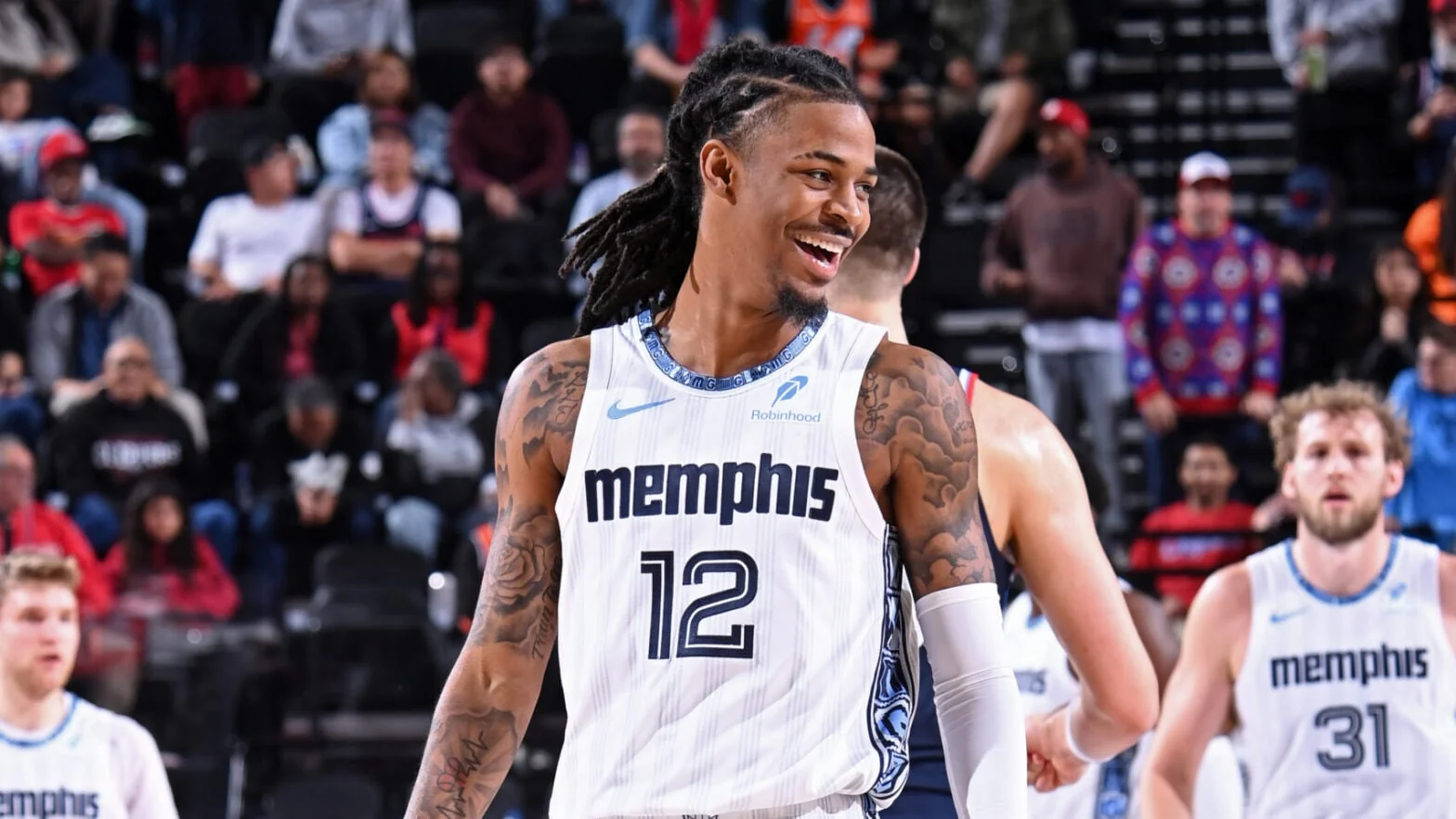
The 2026 NBA offseason changed the league at superstar scale. Giannis Antetokounmpo went to Miami, Ja Morant landed in Portland, Jaylen Brown and Paul George switched Atlantic Division addresses, and LeBron James chose Philadelphia in free agency. Those are completed moves, not trade-machine ideas.
This tracker is current through August 19, 2026. It uses NBA and team announcements as the confirmation line, then organizes the official trades, signings, re-signings and extensions into a practical 2026-27 roster guide. If a move was only reported, proposed or placed on hold at the cutoff, it does not appear as completed business below.
How this 2026 NBA offseason tracker defines “official”
“Official” is a status, not a synonym for believable. A player and team may agree to terms before the contract can be signed; a well-sourced reporter may describe a trade before the league call is complete; and a proposed deal can stall. This page crosses the confirmation line only when the NBA transaction log, the NBA's official offseason trade ledger, or an involved club announces the move. That standard is stricter than the broader NBA all-team offseason page, which helpfully labels both official announcements and reported agreements.
Cutoff, source hierarchy and status legend
The NBA or a club announced the transaction. It belongs in the confirmed tables.
Credible news exists, but the formal announcement is missing. It stays outside this tracker.
Discussion, a proposal or an unresolved deal. It is not presented as a roster fact.
The information cutoff is August 19, 2026. NBA.com's team-by-team page was updated August 18, while its dedicated trade ledger was last updated July 30. For trades, the dedicated ledger is the controlling record because it shows what every team received and links to official releases. For contracts and extensions, the league transaction page and club announcements control. The team-by-team page is the organizing layer, not permission to erase its “multiple reports” labels.
What is included, excluded and still changeable
The trade section lists every completed 2026 Draft and offseason trade in the NBA ledger, grouping draft-only swaps so the important player movement remains readable. The conference sections capture official additions, returns and extensions from the all-team tracker. A player leaving one team and joining another is one transaction, so the same move is not counted twice merely because it appears under two club headings.
Option decisions and qualifying offers require different language. Exercising a player option keeps an existing contract alive; declining one creates free agency; issuing a qualifying offer can make a player restricted. None is automatically a new signing. Likewise, a training-camp invitation, waiver claim or two-way conversion may appear in the official transaction database without changing a team's projected top rotation. Readers seeking every administrative roster line should use that sortable log; this guide focuses on the official offseason actions that define the 2026-27 roster picture.
Important exclusion: NBA.com's all-team page described a Kawhi Leonard-to-Toronto transaction as reported and on hold at the cutoff. It is therefore not treated as complete here, even though it appeared alongside completed Clippers business.
Finally, “official” does not mean permanent. Teams can trade a newly acquired player later, waive a signing, or make another move before the regular season. Read every table as a verified snapshot through the stated cutoff, not a promise that opening-night depth charts are frozen.
Every official 2026 offseason trade
The NBA's official ledger contains 24 completed trade entries from the Draft through July 28. Fourteen moved at least one current NBA player; ten primarily rearranged draft picks or rights. The date is the ledger date, which can differ from the day a deal was first reported. “Receives” below follows the official accounting rather than attempting to grade a winner.
Headline veteran trades and sign-and-trades
| Date | Teams | Official return |
|---|---|---|
| July 28 | Clippers / 76ers | LAC: Johni Broome and a 2027 second-round pick. PHI: cash. |
| July 19 | Hawks / Mavericks / Thunder | ATL: Lu Dort and Ryan Nembhard. DAL: Zaccharie Risacher and a protected 2027 second. OKC: three future seconds. |
| July 13 | Hornets / Suns | CHA: Grayson Allen, Royce O'Neale and a 2033 first. PHX: Miles Bridges, a 2027 second and a 2029 first. |
| July 10 | Nets / Bulls / Hornets / Timberwolves | BKN: Julius Randle and No. 28 Joshua Jefferson. CHI: Nic Claxton. CHA: Naz Reid, Mo Gueye, a 2033 first, three first-round swaps, three seconds and Matteo Spagnolo's rights. MIN: LaMelo Ball, Josh Green and No. 33 Isaiah Evans. |
| July 8 | Lakers / Jazz | LAL: Walker Kessler. UTA: unprotected 2031 and 2033 firsts plus 2028 and 2030 first-round swaps. |
| July 8 | Wizards / Grizzlies / Mavericks / Bucks / Pistons / Clippers | The six-team transaction routed Khris Middleton to Washington; D'Angelo Russell, Isaiah Stewart and AJ Johnson to Memphis; Santi Aldama and Marcus Sasser to Dallas; Caris LeVert to Milwaukee; and John Collins, Gary Harris and Taurean Prince to Detroit. The Clippers received a protected 2028 second, with additional picks and draft rights distributed among Washington, Memphis, Dallas and Detroit. |
| July 7 | Wizards / Lakers | WAS: Deandre Ayton. LAL: Jaden Hardy and 2031 and 2032 second-round picks. |
| July 6 | Hornets / Rockets | CHA: Dorian Finney-Smith and three future seconds. HOU: cash. |
| July 6 | Pistons / Thunder | DET: Isaiah Joe. OKC: two future seconds. |
| July 6 | Celtics / 76ers | PHI: Jaylen Brown. BOS: Paul George, firsts in 2028 and 2031, and seconds in 2028 and 2030. |
| July 6 | Heat / Bucks | MIA: Giannis Antetokounmpo and Bobby Portis. MIL: Tyler Herro, Kel'el Ware, Jaime Jaquez Jr., Kasparas Jakučionis, No. 13 Nate Ament, 2031 and 2033 firsts, a 2030 swap and a 2033 second. |
| July 6 | Hawks / Thunder | ATL: Aaron Wiggins. OKC: two future seconds. |
| June 30 | Hawks / Kings | ATL: Devin Carter and a 2033 second. SAC: draft rights to Alpha Kaba. |
| June 29 | Trail Blazers / Grizzlies | POR: Ja Morant. MEM: Jerami Grant and Kris Murray. |
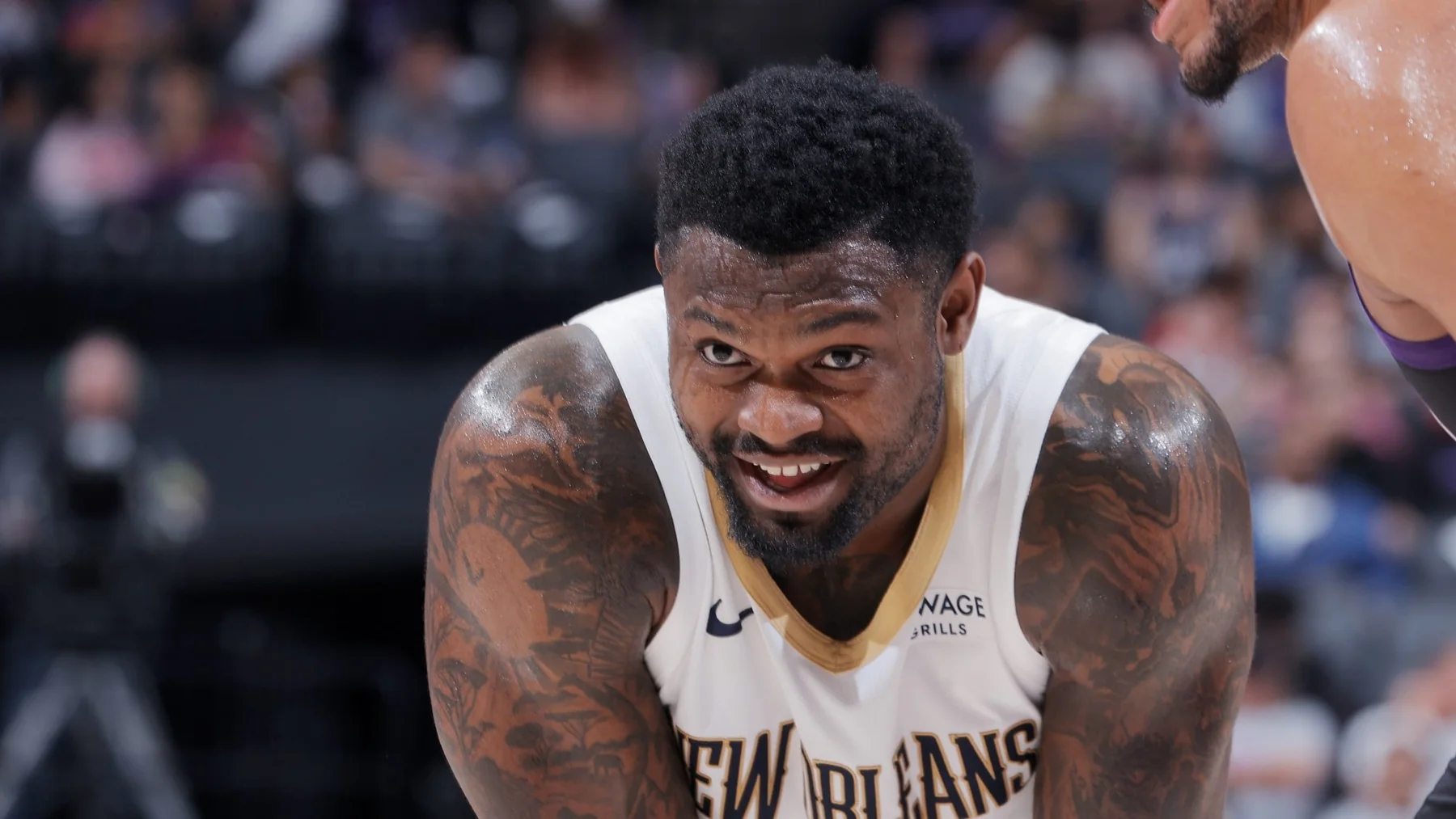
The superstar moves carry different roster logic. Miami consolidated young talent and premium draft control for Antetokounmpo and Portis. Philadelphia exchanged George and draft capital for a younger two-way wing in Brown, then later added James in free agency. Minnesota paid a broad package for Ball, while Charlotte turned one core into Reid, veteran wings and a deep future-pick portfolio. Portland's Morant deal was cleaner: one star guard in, two forwards out.
Draft-night and secondary transactions
| Ledger entry | Core exchange |
|---|---|
| Knicks / Suns / Mavericks / Lakers | Nos. 24, 25, 30 and 47 plus rights, future seconds and cash were redistributed among the four clubs. |
| Grizzlies / Thunder / Pistons | Memphis received No. 21 and five seconds; Oklahoma City No. 16; Detroit No. 17. |
| Nuggets / Spurs | San Antonio received No. 26 Tarris Reed Jr.; Denver No. 35 Trevon Brazile and two seconds. |
| Kings / Cavaliers | Sacramento received No. 29 Alex Karaban; Cleveland No. 34 Meleek Thomas and a 2032 second. |
| Rockets / Knicks / Pistons / Clippers | Nos. 31, 39, 53 and 55, cash, Mojave King's rights and a 2029 second moved through the four-team deal. |
| Heat / Thunder | Miami received No. 37 Ryan Conwell; Oklahoma City No. 41 Otega Oweh and cash. |
| Pacers / Bulls | Indiana received No. 38 Braden Smith; Chicago Kam Jones, future second-round swaps and cash. |
| Magic / Wizards / Bucks | Washington received No. 46, Orlando No. 51 and cash, and Milwaukee No. 60. |
| Hawks / Clippers | Atlanta moved to No. 52 Henri Veesaar; the Clippers received No. 57 Narcisse Ngoy and cash. |
| Mavericks / Lakers / Bulls | Dallas acquired No. 56 Vsevolod Ishchenko; Los Angeles and Chicago received cash. |
Draft-night trades look smaller only because the assets have not accumulated NBA minutes. A future second can be rerouted, a draft-rights player can arrive years later, and a pick swap affects only if its conditions become favorable. For exact protections and every minor asset, use the NBA's official 2026 trade ledger; shorthand such as “future seconds” should never be read as equal-value picks.
Eastern Conference: official signings, re-signings and extensions
The following conference ledger lists confirmed arrivals, returns and extensions. Trade additions reappear because this is the quickest way to audit one team's incoming roster, but they are not new transactions beyond the trade table. Contract length is included where the NBA tracker supplies it; salary is omitted because official announcements often do not disclose the same guaranteed-dollar detail as reports.
Atlantic and Central teams
| Team | Official additions | Official returns / extensions |
|---|---|---|
| Boston Celtics | Paul George (trade), Mike Conley (1 year), Mitchell Robinson (3 years) | Ron Harper Jr. (3), Neemias Queta (4), Jordan Walsh extension (3) |
| Brooklyn Nets | Julius Randle (trade), Keon Ellis (2), Moritz Wagner (2) | Josh Minott (2), Day'Ron Sharpe (2) |
| New York Knicks | Andre Drummond (1) | Jose Alvarado (3), Jordan Clarkson (1), Mohamed Diawara (multi-year), Landry Shamet (4) |
| Philadelphia 76ers | Jaylen Brown (trade), LeBron James (2), Anfernee Simons (2), Kentavious Caldwell-Pope (1), Ariel Hukporti (1), Dean Wade (4) | None listed as official on the cutoff page |
| Toronto Raptors | Kyle Anderson (1) | Alijah Martin (2) |
| Chicago Bulls | Nic Claxton (trade), Norman Powell (2) | Zach Collins (2) |
| Cleveland Cavaliers | Mario Hezonja (1) | Thomas Bryant (1), Donovan Mitchell extension (4) |
| Detroit Pistons | John Collins (sign-and-trade, 3), Isaiah Joe, Gary Harris and Taurean Prince (trades) | Javonte Green (1), Kevin Huerter (3) |
| Indiana Pacers | Larry Nance Jr. (1), Kelly Oubre Jr. (2) | None listed as official on the cutoff page |
| Milwaukee Bucks | Tyler Herro, Kasparas Jakučionis, Jaime Jaquez Jr., Kel'el Ware and Caris LeVert (trades) | Ousmane Dieng (3), Bogoljub Marković (multi-year), Pete Nance (2), Gary Trent Jr. (4) |
Philadelphia made the loudest Atlantic intervention by combining Brown and James with several veteran additions, while Boston used the Brown-George exchange as only one part of a broader refresh. Cleveland's Mitchell extension is structurally different: it preserves a franchise centerpiece instead of changing teams. Toronto is the clearest example of the confirmation rule. Anderson and Martin count; the Leonard transaction does not while NBA.com labels it on hold.
Southeast teams
| Team | Official additions | Official returns / extensions |
|---|---|---|
| Atlanta Hawks | Lu Dort, Ryan Nembhard, Aaron Wiggins and Devin Carter (trades) | Jock Landale (1), CJ McCollum (1) |
| Charlotte Hornets | Naz Reid, Grayson Allen, Royce O'Neale and Dorian Finney-Smith (trades) | Coby White (3) |
| Miami Heat | Giannis Antetokounmpo and Bobby Portis (trade), Tim Hardaway Jr. (1) | Simone Fontecchio (1), Andrew Wiggins (3) |
| Orlando Magic | Nikola Vučević (1) | Jevon Carter (1), Jonathan Isaac (1) |
| Washington Wizards | Deandre Ayton and Khris Middleton (trades) | Trae Young (4) |
Miami's trade changes every East matchup because Antetokounmpo creates pressure at the rim and in transition even when he is not the scorer. Charlotte chose breadth after moving Ball and Bridges: Reid offers frontcourt scoring, while Allen, O'Neale and Finney-Smith supply shooting and defensive flexibility. Atlanta similarly chose a committee of guards and wings rather than one replacement for Risacher. Washington's Ayton-Middleton arrivals give Young established pick-and-roll and half-court partners; Orlando's reunion with Vučević is the division's lower-volume, continuity-oriented move.
These tables are an additions-and-retention view, not a projected rotation. Coaches still decide roles, two-way players move between levels, and further waivers can alter the back of the roster. A listed contract also does not guarantee that every season is fully guaranteed; the official tracker states years, while granular guarantee structures often come from later reporting.
Western Conference: official signings, re-signings and extensions
The West ledger uses the same official-only filter. That matters for two visible exceptions: Denver's Lonnie Walker IV agreement remained labeled “multiple reports,” and the Clippers-Raptors Leonard transaction remained on hold. Neither appears as completed business. Everyone below was linked to an official announcement by the NBA's current tracker.
Northwest and Pacific teams
| Team | Official additions | Official returns / extensions |
|---|---|---|
| Denver Nuggets | Marvin Bagley III (1), Alpha Diallo (1) | Tyus Jones (1), Spencer Jones (2) |
| Minnesota Timberwolves | LaMelo Ball, Josh Green and Mouhamadou Gueye (trades), Trey Lyles (1) | Jaylen Clark, Bones Hyland, Ayo Dosunmu (4) |
| Oklahoma City Thunder | None listed as official on the cutoff page | Isaiah Hartenstein (3), Kenrich Williams (1) |
| Portland Trail Blazers | Ja Morant (trade), Branden Carlson (1), Micah Potter (waiver), Jeremy Sochan (1) | Robert Williams III (3) |
| Utah Jazz | Jaxson Hayes (2), Josh Okogie (2) | Mo Bamba (2), Jusuf Nurkić (2) |
| Golden State Warriors | None listed as a new-team addition | Charles Bassey (1), Draymond Green (1), Al Horford (2), De'Anthony Melton (2), Gary Payton II (1), Kristaps Porziņģis (2) |
| LA Clippers | Johni Broome (trade), Rui Hachimura (2) | Bradley Beal (2), Jordan Miller (3), Kobe Sanders (4) |
| Los Angeles Lakers | Walker Kessler (sign-and-trade, 4), Jaden Hardy (trade), Quentin Grimes (4), Kevon Looney (1), Sandro Mamukelashvili (4), Collin Sexton (2), Matisse Thybulle (1), Ziaire Williams (1) | Austin Reaves (4) |
| Phoenix Suns | Miles Bridges (trade), Luke Kennard (2) | Dillon Brooks extension (3), Collin Gillespie (4), Jordan Goodwin (3), Haywood Highsmith (1), Mark Williams (3) |
| Sacramento Kings | None listed as official on the cutoff page | Precious Achiuwa (2), Daeqwon Plowden (2) |
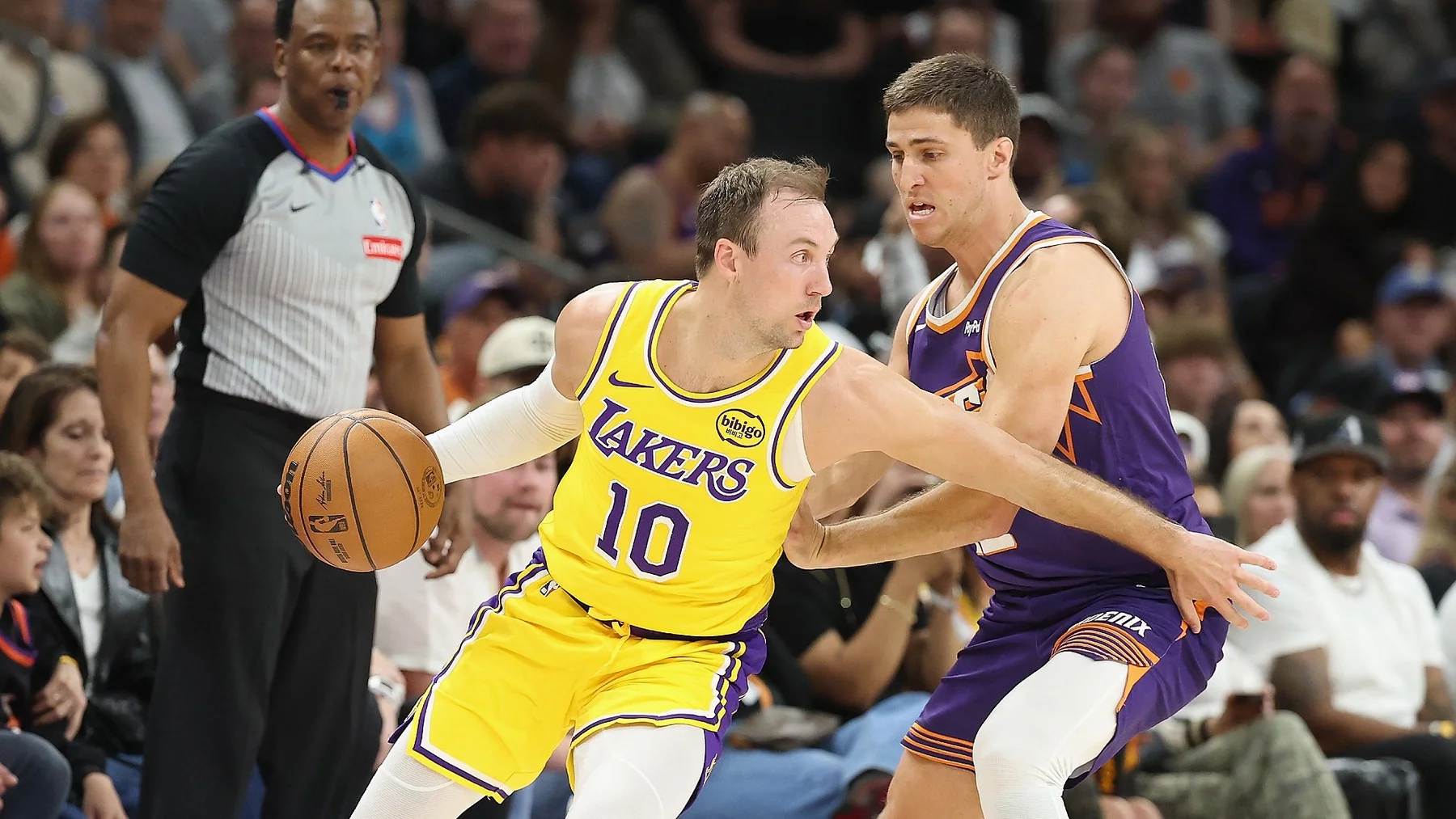
Minnesota and the Lakers made the deepest changes by volume. The Timberwolves exchanged a proven frontcourt group for Ball's on-ball creation and new complementary pieces. The Lakers followed James's departure with a wide rebalancing around Reaves, adding Kessler's rim protection plus several wings and guards. Oklahoma City and Golden State leaned much harder into retention, although continuity does not mean identical roles after other West contenders changed.
Southwest teams
| Team | Official additions | Official returns / extensions |
|---|---|---|
| Dallas Mavericks | Santi Aldama, Zaccharie Risacher and Marcus Sasser (trades), Tarik Biberović (2) | Moussa Cissé (2), Naji Marshall extension (3) |
| Houston Rockets | Bogdan Bogdanović (1), Marcus Smart (2) | Isaiah Crawford (4), Tari Eason (5), Jae'Sean Tate (1) |
| Memphis Grizzlies | Jerami Grant, Kris Murray, AJ Johnson, D'Angelo Russell and Isaiah Stewart (trades), Quinten Post (3) | None listed as official on the cutoff page |
| New Orleans Pelicans | Trendon Watford (1) | DeAndre Jordan (1) |
| San Antonio Spurs | Tobias Harris (2) | Harrison Barnes (1), Julian Champagnie (3), Jordan McLaughlin (1), Victor Wembanyama extension (5) |
San Antonio's Wembanyama extension is the division's defining long-horizon decision, while Harris addresses the immediate rotation. Houston paired Eason's five-year commitment with experienced perimeter options in Smart and Bogdanović. Dallas added Risacher's developmental upside and multiple playable rotation pieces. Memphis turned Morant and other outgoing players into size, ball handling and wing depth, a portfolio approach whose value will depend on how those roles fit rather than on one replacement star.
Roster churn also changes schedule difficulty in ways last season's records cannot show. A “road game at Miami” now asks a different transition-defense question; a Lakers matchup no longer begins with a James scouting plan; a Portland game has a new point-of-attack creator. Schedule analysis should therefore pair dates and travel with current personnel, while recognizing that availability and coaching choices can still make the opening-night version different from this August snapshot.
What the official moves change for 2026-27
A transaction ledger answers who moved; it does not automatically answer who improved. Fit, health, role acceptance and lineup balance turn names into wins. The soundest first read is to identify which teams changed their central competitive question, which added useful depth, and which preserved a working structure.
Contender shifts, roster fit and schedule implications
Antetokounmpo gives Miami a relentless paint engine and transition threat, while Brown and James give Philadelphia multiple large creators around its existing core. Those are contender-shaping moves, but postseason health and half-court spacing remain evaluation questions, not solved facts.
Ball and Morant bring high-usage creation to new teams. Each can accelerate pace and unlock teammates, yet each also requires defensive coverage and off-ball roles that differ from the departed personnel.
NBA analysis measured only 42% of the Lakers' prior-season minutes under contract or agreement for 2026-27 at its July 10 snapshot. Kessler, multiple wings and new guard depth produce more lineup options, but continuity is the obvious early-season cost.
Oklahoma City retained Hartenstein and Williams; Golden State returned six familiar veterans; San Antonio extended Wembanyama. Stability can preserve terminology and chemistry while high-churn rivals spend October learning combinations.
Under-the-radar moves matter because the regular season is not played by five stars for 48 minutes. Smart can defend difficult guards for Houston; Claxton gives Chicago a mobile interior defender; Dort changes Atlanta's point-of-attack options; Joe adds shooting to Detroit; and Oubre and Nance give Indiana playable size and athleticism. None guarantees a seed, but each changes a matchup menu.
Schedule readers should update their mental model before circling “easy” or “hard” stretches. Miami and Portland are materially different opponents from their 2025-26 record profiles. The Lakers may be volatile early because so much of the rotation is new. International and NBA Cup games add special preparation windows: official key dates put Cup group play from October 30 through November 27, with Denver-Indiana in Mexico City on November 7 and Spurs-Pelicans games in Paris and Manchester in January.
How and when this tracker should be rechecked
The next verification points are late-summer signings, training-camp cuts, opening-night roster finalization and the February 11, 2027 trade deadline. Between those moments, use the NBA's official transaction log for date-and-team searches. A player's team page may update quickly, but the transaction line explains how he arrived.
Financial context also explains why a seemingly modest move can be intentional. The NBA set the 2026-27 salary cap at $164.961 million, the tax line at $200.428 million, the first apron at $209.015 million and the second apron at $221.686 million. Apron restrictions can narrow trade aggregation and exception choices, so a contender may value a retained role player or future pick more than an additional expensive name. Those league figures are official; exact team room and contract guarantees require a dedicated cap calculation and should not be guessed from headline years.
- For confirmation: look for a league transaction or club release.
- For trade detail: verify every pick, protection and cash component in the NBA trade ledger.
- For roster fit: treat projected roles as analysis until preseason and regular-season lineups provide evidence.
- For future updates: retain the dated cutoff so readers can distinguish the August snapshot from later business.
The offseason's clearest conclusion is not that one winner has already been crowned. It is that the league's competitive map changed substantially and officially. Miami, Philadelphia, Minnesota, Portland and both Los Angeles teams will demand new scouting files, while several continuity teams are betting that familiarity can outperform headline churn.
Official snapshot through August 19, 2026
The NBA ledger records 24 completed offseason trades, while the conference tables capture every officially announced addition, return and extension surfaced in the league's current all-team tracker. Reported and on-hold business remains outside the confirmed record until the NBA or an involved club announces it.
Sign in with Google to join the discussion.