The Knicks drafted a point guard, not a football publicity act
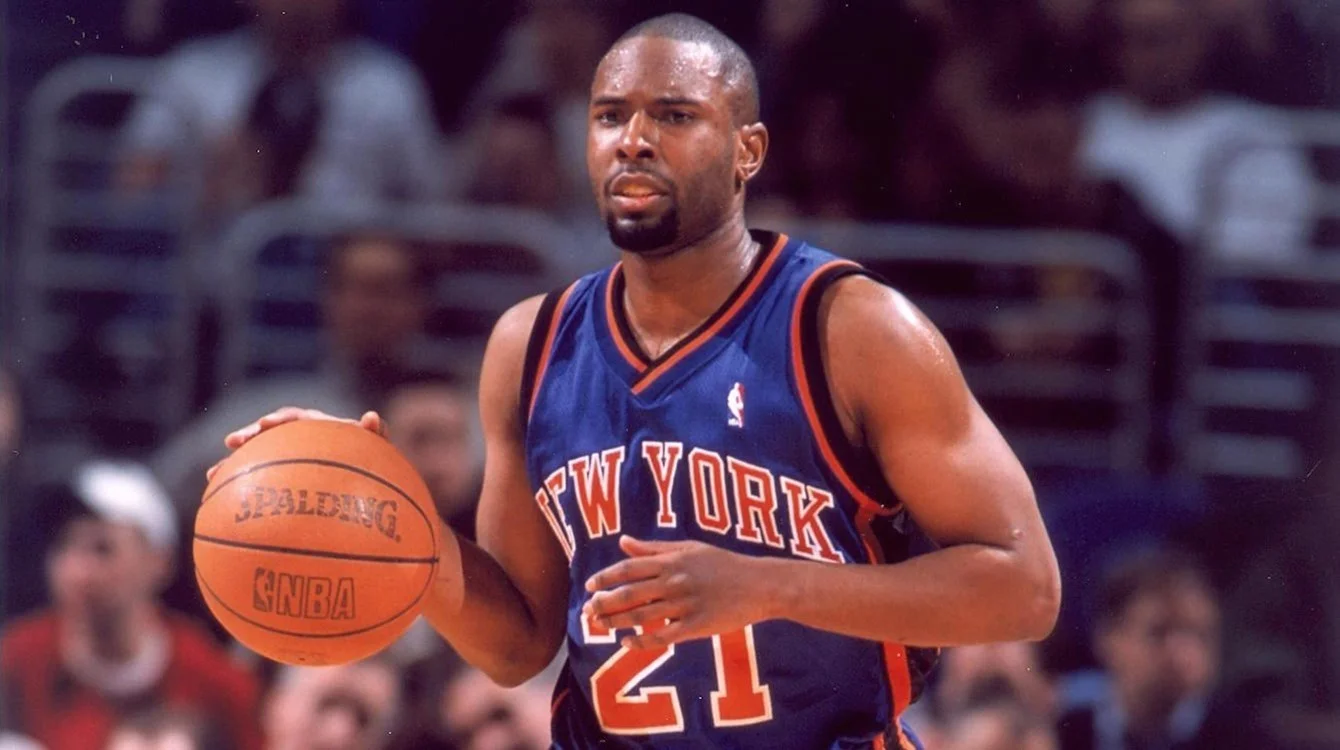
Charlie Ward's NBA career makes more sense when you start with the basketball. The New York Knicks selected him 26th overall in the first round of the 1994 draft. The Heisman Trophy made his name unusual on that board, but it did not create his college basketball résumé. He arrived with years of experience running a major college team, rather than a plan to learn point guard after becoming famous in another sport.
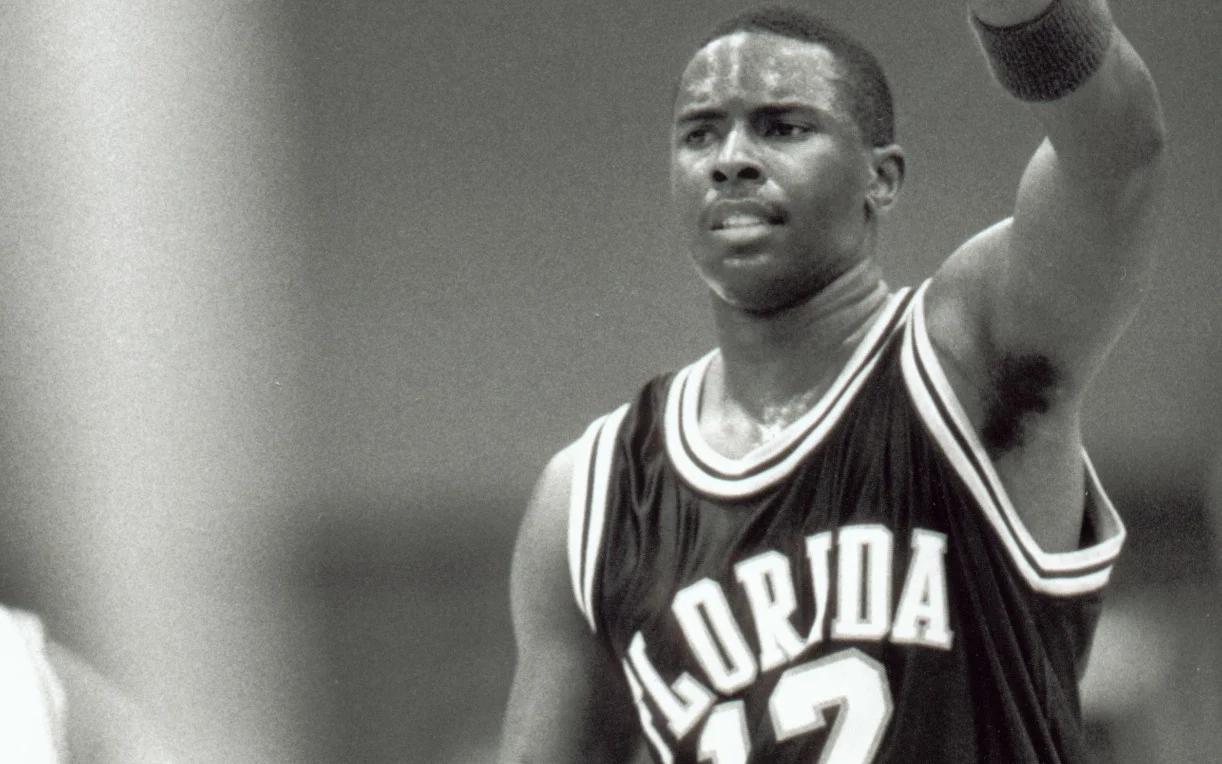
The NBA's player profile confirms the draft selection. Florida State's Hall of Fame biography supplies the basketball foundation: Ward started on the 1992 Sweet 16 team and helped the Seminoles reach the Elite Eight in 1993. Those were serious college tournament teams. The point guard at their center had already played consequential possessions against strong opposition.
That distinction changes the question an NBA fan should ask. Instead of wondering whether a football star could survive on a basketball court, ask which parts of an established guard's game could earn professional minutes. Handling pressure, delivering the ball to teammates and defending the position are basketball tasks that require basketball evidence. A quarterback's reputation may make an appealing comparison, but it cannot substitute for that evaluation.
First-round status did not make Ward a projected franchise scorer, and it did not guarantee a long career. It did give him a concrete NBA opportunity. The Knicks were choosing a player for a roster with its own needs, not awarding a second trophy for his football season. We cannot reconstruct every private scouting conversation from the selection number. We can say that an NBA team used a first-round pick on him and then evaluate the professional work that followed.
Florida State's later basketball jersey honor reinforces the broader point: his basketball identity was substantial enough to stand alongside the football one. Reading his career that way gives the Knicks years their proper weight.
Why the NFL question has no one-line answer
Ward's decision is often compressed into a story about a Heisman winner rejecting football or a league rejecting him. His own later accounts describe a more complicated choice. He had two sports in which he had already competed at a high level, and the opportunity available in one affected how firmly he could commit to the other.
In the Dan Patrick Show's 2013 interview summary, Ward said he had prepared for the NFL draft and received a fifth-round call from Kansas City. He could not promise to attend football training camp if an NBA team drafted him. That is his retrospective account of a conversation, not evidence that Kansas City formally selected him or offered a particular contract.
The Heisman organization's 2018 retrospective also describes concern about how his size fit the NFL's quarterback expectations of that period. It is useful historical context. It is not enough to establish what every team's evaluation contained, and it cannot tell us what his career would have looked like in a different football era. Counterfactual arguments can easily become more confident than the evidence.
Ward's 2016 USA Football interview emphasizes the opportunity to play professionally and support his family. He said he did not receive an NFL playing offer once he was in the NBA. That later perspective helps explain why the basketball decision did not need to remain a permanent audition for a return to football.
For NBA readers, the important point is that basketball offered a credible career of its own. An athlete with that alternative makes a different decision from someone whose only professional route is football. There is no need to turn Ward's choice into a judgment that one sport was easier, safer or inherently more worthwhile. The Knicks selected him, he committed to basketball, and his subsequent work can be judged on the same terms as another NBA guard's. His football achievements explain the unusual crossroads; they do not diminish the legitimacy of the path he took.
What Ward gave the Knicks over a long regular-season career
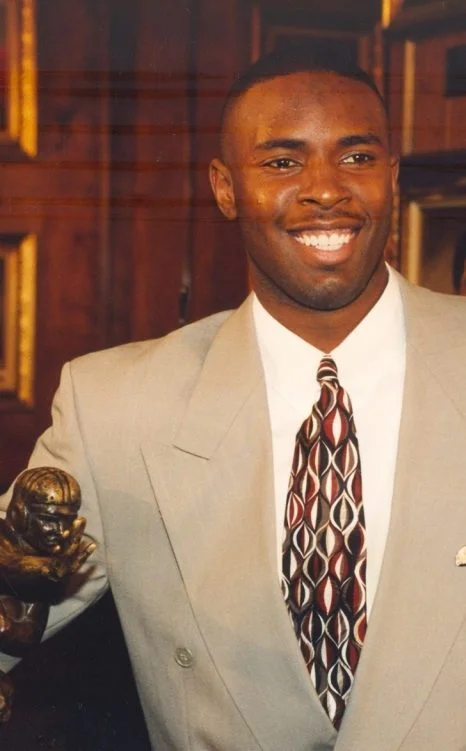
Ward's professional record is easier to appreciate when its scope is clear. Across 630 NBA regular-season games, he averaged 6.3 points and 4.0 assists. Those are all-team career figures, including his time beyond New York, as summarized in Florida State's basketball tribute. They should not be labeled Knicks-only totals or combined with playoff appearances.
The scoring average describes a player who was not carrying a superstar scoring workload. It does not answer whether he performed the job his lineup needed. A point guard can contribute by getting the team into its offense, making a useful pass and allowing a higher-volume scorer to receive the ball in a workable situation. An assist total records only part of that process, but it is a better starting point than dismissing a guard because his points per game look modest beside the league's leading scorers.
Ward recorded 744 steals for New York, according to the NBA's franchise steals list. That is concrete evidence of defensive activity over time. It is not a complete defensive grade. Steals do not tell us how often a guard stayed in front of a drive, navigated a screen or forced a pass without touching the ball. They also cannot separate every successful gamble from the help supplied by teammates behind him.
Ward himself connected his football background to physical competitiveness and offensive leadership in the USA Football interview. That is useful testimony about how he understood his game. It is different from proving that quarterback experience automatically makes someone a better NBA defender or decision-maker. Plenty of guards acquire those habits entirely through basketball; Ward had an additional competitive experience to draw on.
The fairest reading of his career therefore avoids two extremes. He was not an NBA superstar whose football trophy merely obscured an equally dominant professional scoring career. He was also far more than an entertaining name who briefly occupied a roster spot. Sustained NBA participation, passing production and a substantial Knicks steals total support the middle ground: a real professional guard with a defined role. That is an achievement worth discussing without borrowing prestige from another sport.
The 1999 Finals run puts his role in perspective
The 1998-99 season was shortened to 50 games by the lockout. New York finished 27-23 and entered the Eastern Conference playoffs as the eighth seed. That setting matters when reading Ward's numbers: this was not an ordinary 82-game regular season, and the team's eventual postseason finish was very different from its place in the standings.
The Heisman organization's retrospective on Ward's Knicks career records that he appeared in all 50 regular-season games, averaging 6.8 points, 5.4 assists and 2.1 steals. Those figures describe that regular season, not his Finals averages. The Knicks then beat Miami in five games, swept Atlanta and eliminated Indiana in six to reach the championship series.
Patrick Ewing's Achilles injury removed a central part of the roster during the Indiana series. New York still advanced, but San Antonio won the Finals in five games. That sequence is essential to the team story without needing a claim that a healthy Ewing would certainly have changed the champion. Injuries alter the available matchups; they do not provide a result for a series that was never played.
Ward's place in that run is a better measure of his basketball credibility than the novelty of his college award. He was participating in a team that survived several distinct playoff opponents. At the same time, reaching the Finals is a team accomplishment, not a shortcut for ranking every member of the rotation above guards whose teams exited earlier. Both ideas can be true: the stage was demanding, and individual evaluation still requires attention to role and performance.
When revisiting those Knicks, separate the questions. The season record tells you how they qualified. The series results tell you how they advanced. Ward's regular-season figures describe one part of his contribution. A particular playoff game's box score would answer a narrower question about that night. Combining all of them into one sweeping claim that he carried New York to the Finals would flatten a much more interesting team. His value is clearer when it is placed inside that team rather than exaggerated beyond it.
Florida State explains why both sports belong in the story
The football achievement should be understood precisely, rather than used as a generic label for athletic ability. Ward won the 1993 Heisman Trophy after a regular season with 3,032 passing yards, 27 touchdown passes and four interceptions. The Heisman winner profile separates those figures from the bowl game. Florida State then beat Nebraska 18-16 in the Orange Bowl on January 1, 1994, securing the program's first national championship.
That calendar detail explains why both 1993 and 1994 appear in accounts of the same championship season. The award and regular season belonged to 1993; the concluding bowl was played in January. It was a different championship structure from today's College Football Playoff. Calling the game a CFP final would import a later competition into Ward's history.
His college basketball experience also crossed a changing conference landscape. Florida State's ACC basketball legend profile recalls the 1991 Metro Conference championship and the program's transition into the ACC. The school later highlighted an 86-74 win at North Carolina on December 15, 1991, its first ACC basketball game. Ward's basketball record was being built through real conference competition while his football identity was taking shape.
For a fan following the university, that is the meaningful connection between the two sports. The same athlete was part of separate teams, with different teammates, opponents and measures of success. A passing touchdown does not count as an assist, and an NCAA basketball tournament appearance does not establish a football team's standing. The connection is the player and the institution, not an interchangeable set of sporting achievements.
It also makes Ward an unusually interesting entry point for an NBA fan curious about college football. You can begin with a player you remember from New York, then discover why Florida State supporters remember him differently. Neither perspective has to replace the other. His professional career supplies the NBA story; the college years explain the depth of the campus attachment. Keeping both in view produces a fuller portrait than reducing him either to a quarterback who disappeared or a guard with an amusing trivia answer.
Follow the basketball career and the college connection separately
Ward's story can lead in two useful viewing directions. One is back toward the Knicks teams in which he actually played. The other is toward Florida State, where the attachment to his career covers more than basketball. Keep those interests separate when choosing a game: a modern Knicks matchup offers a different roster and competitive setting from a 1999 replay, while a current Seminoles football game belongs to its own season.
For present-day NBA viewing, the NBA TV schedule is the relevant starting point. It brings together listed television and streaming outlets and displays a time-zone selector. Confirm the matchup, date and provider before making a viewing plan. The listing helps locate a game; it does not establish that every provider is available in your market or included in a subscription you already have.
If the Florida State side of Ward's story interests you, CollegeFootballSchedule.net offers a football schedule organized by week, team, conference and network. It is a related site from the same project as NBA Schedule. The more focused Florida State football schedule is useful for following the university's current opponents. These tools label football times in Eastern time and leave unannounced details as TBA.
That connection does not imply that Ward endorses the tools, or that a current football result tells us anything new about his NBA playing ability. It simply gives an interested basketball fan a practical route into the college setting behind a familiar name. Check the season and the time-zone label, then follow the sport on its own terms.
Ward deserves the same treatment as a subject. His Heisman season was exceptional, his professional choice was consequential, and his NBA work was substantial. The basketball career does not need an imagined football career to justify it. Start with what he actually did, understand the role he filled, and let the unusual college background deepen the story.
Sign in with Google to join the discussion.