How to Identify the FanDuel NBA Contest You Are Reading
Open the exact FanDuel NBA daily fantasy sports contest before checking a lineup. Record its game list, roster slots and salary cap from the official contest screen. FanDuel has published examples of traditional contests with position slots and a newer single-game format with a salary and scoring multiplier on the MVP slot. For either format, an older guide can explain the mechanics. The contest screen supplies the game list and the applicable settings, while FanDuel's Rules & Scoring explains how the site treats results, lineup deadlines and interruptions.
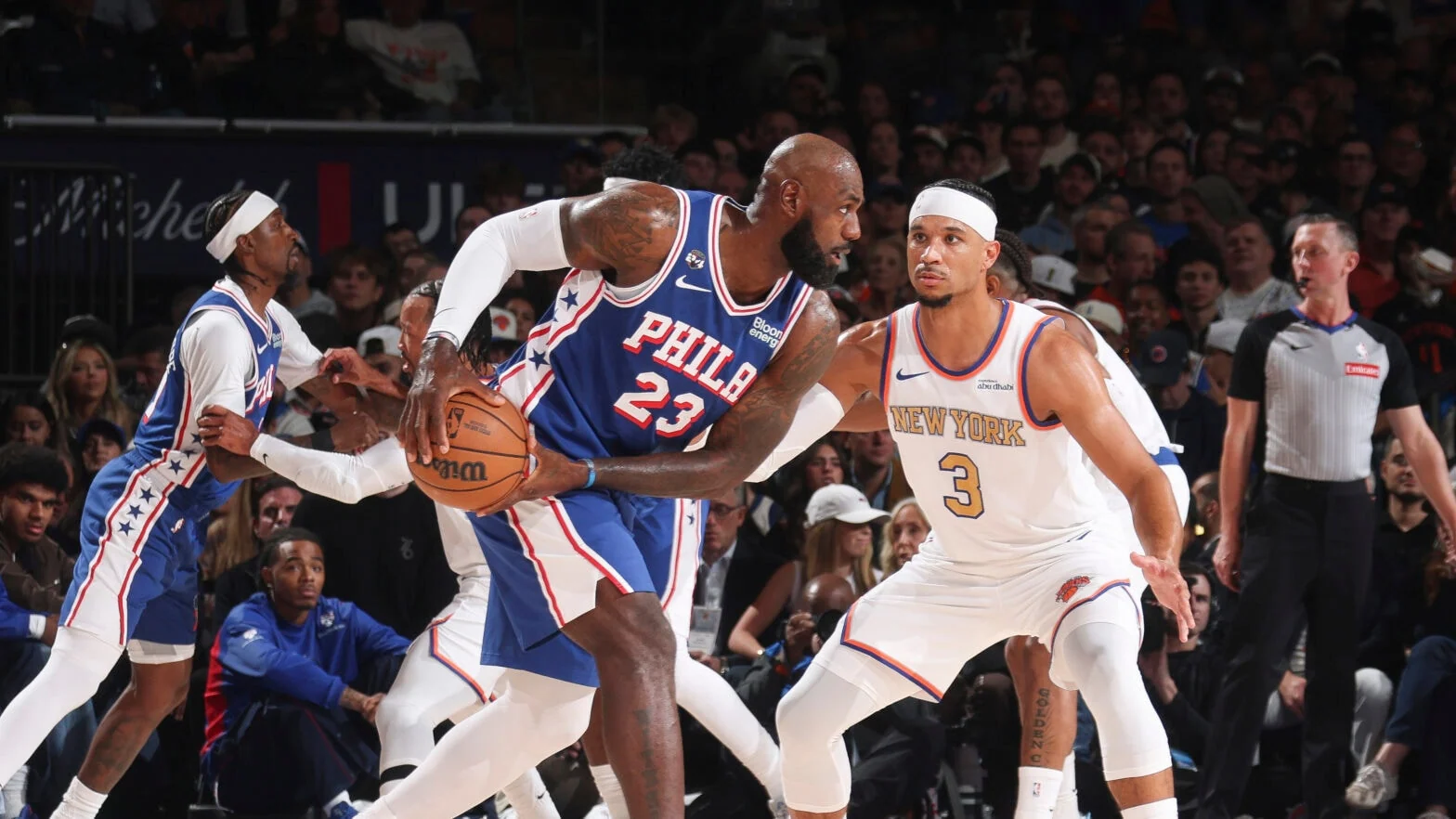
In this context, a slate is the set of real games included in a particular contest. Opening night on October 20, 2026, illustrates why the word matters. Boston played Detroit, Philadelphia visited New York, and Oklahoma City played San Antonio on the same league date. A single-game contest built around Philadelphia and New York would have a different player pool from a contest covering all three games. That is a hypothetical contest distinction drawn from the actual NBA calendar. Use the opponents in the contest listing to confirm the pool. A player can be an active starter that night and still be absent from the contest you are inspecting.
Give the product name the same attention as the game date. FanDuel also uses the word lineup in FanDuel Picks, where the operator describes selections tied to individual statistical targets. That product has its own rules. A daily fantasy salary cap and roster table tell you how a DFS contest is assembled. Read the contest's scoring label as well, especially when an article or spreadsheet uses almost the same title for two different products. A spreadsheet can look coherent on its own and be completely out of step with what the contest screen expects.
Use the NBA games today schedule to orient yourself to opponents and tip times. Then work from the individual contest's filters. One practical way to keep the records straight is to write down the game list and roster shape beside the contest's name. Those details can explain a missing player, an unexpected deadline, or a salary that appears to differ across two tabs before you need to troubleshoot any individual selection.
Traditional NBA DFS Salary Cap and Position Slots
What the Nine Positions Mean
FanDuel's December 2023 guide described a traditional NBA lineup with nine players and a $60,000 salary cap. The familiar arrangement is two point guards, two shooting guards, two small forwards, two power forwards, and one center. The nine slots describe how the entry form accepts players. Check that the contest in front of you shows the same setup before using examples from an old article or a saved worksheet. A contest with different slots needs a different template even when the salary cap looks familiar.
FanDuel sometimes publishes players with more than one eligible position. Its archived January 12, 2024 slate recap shows Jalen Green labeled SG/PG and Tobias Harris labeled PF/SF. Those labels were from a historical slate. In practice, a row marked PF/SF can fit either type of slot if the current contest screen offers both. That row can occupy only one slot at a time. The position you see in NBA coverage can be broader. The Warriors' October 2026 roster, for example, listed Draymond Green as a forward-center. Use the contest's eligibility label to determine which position slots accept that player.
How to Diagnose a Salary or Eligibility Error
Salary is the amount from the contest budget assigned to an athlete. It can differ across slates. Start with a simple sum. Suppose eight occupied slots use $53,800 in a nine-slot contest with a $60,000 cap. The remaining slot can cost at most $6,200. If the only open slot is center, a $6,000 power forward with no center eligibility will fail that check. Conversely, a $6,400 eligible center fits the position but exceeds the available budget by $200. If the app shows an error while a worksheet shows room, compare the salaries to the official player pool one row at a time. Use the amounts that apply to the selected contest.
Next, check team distribution. FanDuel's general lineup rules require players from at least three teams for most contests and allow up to four players from one team. The same section gives distinct rules for certain contest types. Two hypothetical lineups can both cost $60,000 and cover all nine positions. One can still be invalid if it contains too many players from the same team. Check the game pool, positions, cap and team mix as four separate fields.
How FanDuel Single-Game MVP and Flex Slots Work
In FanDuel's newer single-game format announcement, the roster has one MVP and five Flex positions. Moving a player from Flex into MVP applies a 1.5 multiplier to both salary and fantasy points. FanDuel's analysis of the 2025 NBA Finals used that model and displayed the same player's salary separately for the two kinds of slot. Confirm the six slots on the contest screen and use its displayed MVP salary. An optimizer that applies the multiplier to scoring but leaves the salary at its Flex amount can give you a budget total the operator won't accept.
Take a hypothetical player priced at $8,000 in Flex who records 32 fantasy points before any slot multiplier. Under that advertised model, the MVP salary would be $12,000 and the player would contribute 48 fantasy points in the MVP slot. For a simple audit, hold the other five slot salaries constant. Moving this player to MVP increases the amount attributed to his slot by $4,000. In an actual switch between two rostered players, calculate the salary changes for both slots because the other player's assignment changes too. The grand total must match the contestant-facing budget after those changes.
Search results sometimes turn up FanDuel's December 2023 Pacers–Lakers example. Its five-player format used MVP, STAR, PRO and two utility slots. That was the format documented for that game at the time. The six-slot release describes a different version. Check the number and labels of the slots before copying any multiplier or salary from an article. A five-row spreadsheet cannot test whether a six-row lineup is complete, even if the players themselves are available.
The operator's general single-game rules require players from at least two teams. In a conventional matchup, the player pool consists of the two teams in the game. Check both jerseys in the completed selection and read the time window as well. FanDuel publishes special contest rules for portions of single games. A second-half contest, for example, counts play from that half and overtime when applicable. The full-game box score alone would overstate what belongs in that calculation. Confirm the contest's window alongside the slot multipliers.
Lock, Late Swap, and NBA Schedule Changes
When an Edit Can Still Be Made
FanDuel publishes different rules for contests with and without late swap. In a standard contest without it, the first game on the slate closes the window for lineup changes. In a contest with late swap, the general rule uses each player's scheduled game start as the deadline for edits. The player moving in also needs to be eligible and have a game that hasn't started. Open the contest's entry screen, look for the late-swap marking and check for a locked slot. A game on television can still be showing pregame coverage after the relevant scheduled time has passed.
Suppose an NBA slate has a 7 p.m. Eastern game and another at 10 p.m. Eastern. At 8 p.m., a roster slot tied to the early game is locked in a normal late-swap contest. A slot tied to the later game may still be editable. Keep the remaining team mix, position eligibility and cap in view when checking a possible edit, then verify the saved entry. A spreadsheet can display a revised roster while the operator's entry still shows the previous version. On a contest with no late swap, the same 8 p.m. attempt would come after the slate lock, even for a player whose own game is still hours away.
Teams file reports before games and update them as information changes. The NBA injury report explains how the second game of a back-to-back changes the deadline for team reporting. A recent report is useful for distinguishing a participation update from an old roster note. The report can tell you what a team knows about the player. The contest decides whether a slot can still be edited at the time you are checking it.
What a Postponement or Trade Can Change
On January 25, 2026, the NBA postponed Denver at Memphis because of weather and said it would issue a new date later. That is a real calendar change, independent of whether a given contest used the matchup. Under FanDuel's published rules for one-day basketball contests, a game played later the same day can count normally. Players in a game moved to another date generally score zero for that contest. The rules also address multi-game slates reduced to a single remaining game, which can result in cancellation. Read the notice and the contest rules together, since the same scheduling event can affect different slate types differently.
A trade creates another mismatch between a contest listing and an NBA roster. FanDuel says its team labels are updated overnight and that contests can already exist with a player on his former club. If a player appears under an old team, check the league transaction and review both clubs against the official slate. FanDuel describes specific scoring conditions when both clubs are in the contest. The general transaction news cannot tell you whether those conditions apply.
How to Reconcile FanDuel Points With an NBA Box Score
Start with the individual line in the official box for the exact opponent and date. The published FanDuel basketball scoring gives a point for each point scored, 1.2 per rebound, 1.5 per assist and three per steal or block. A turnover subtracts one. If you add the player's points as a single total, leave the three-point column out of the rest of your sum. The regular basketball point total already includes the value of those makes. A separate line in FanDuel's rules says that special Single Stat formats score the designated category, so check the contest before applying the full table.
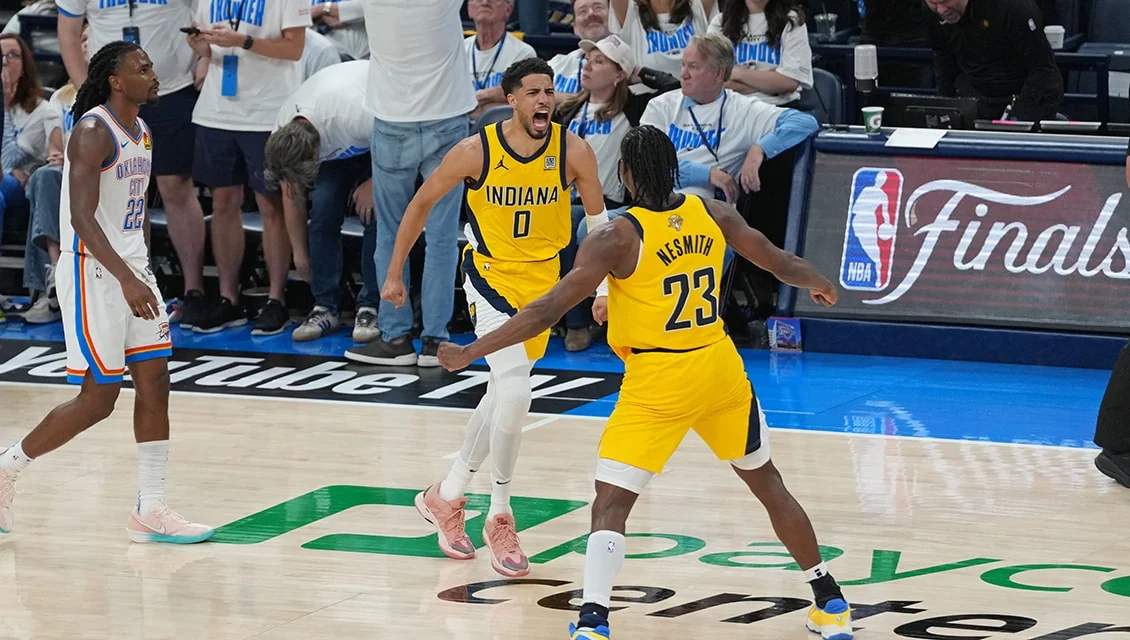
Consider Tyrese Haliburton's line in Game 1 of the 2025 NBA Finals. Indiana beat Oklahoma City 111–110. The official scorer's report gives Haliburton 14 points, 10 rebounds, six assists, one block, no steals and three turnovers. Using the published scoring weights gives 14 plus 12 for rebounds, nine for assists, and three for the block, with three deducted for turnovers. That produces 35 fantasy points before any slot multiplier. It is a reconstruction from the box score. The real NBA point total remains 14.
A discrepancy is easier to trace if you keep the two totals separate. First check the counted actions, then the slot multiplier, then the covered part of the game. A number shown during play can change as events are recorded. An NBA box-score correction can also occur after a contest is settled. FanDuel's terms explain when it finalizes results and when it may adjust for transmission or calculation errors. Save the date and matchup alongside the number you are checking, and use the contest's own final record for a question about that contest.
A Final Lineup Check Before You Save
When comparing a lineup or optimizer output with the official entry, start by matching the two documents. Check the contest date, list of games and mode. Then compare the individual slots. If an imported lineup has a center where the official form wants MVP, inspect the selected format before changing any names. If a player is missing entirely, first compare the game pool and contest date. If the player appears but the slot rejects him, check the position label and lock state. These checks answer three different questions, and their order makes it easier to locate the error.
Next, verify the amount in every slot and add those prices. Use the price printed for an MVP slot where applicable. Then count distinct teams as well as the number from each club. Budget, eligibility and team mix can each fail on their own. The site's broader guide to NBA DFS lineup builders explains how tools organize roster constraints. The operator's live form will show whether those settings apply to this entry. Mark a league injury status and a contest editing status separately in any notes, since an updated player status alone leaves the lock question unanswered.
FanDuel's rules describe a native CSV Edit tool for supported entries, including live edits where late swap is available. If using that feature, read the site's current instructions, match the file to the intended contest and open the saved entry after it is processed. Check the names and slots again before assuming a file imported the way you expected. If the original lineup is still displayed, use the operator's edit or support process. A record of the intended contest, game start and specific rejected slot gives you something concrete to compare against the rules.
Sign in with Google to join the discussion.