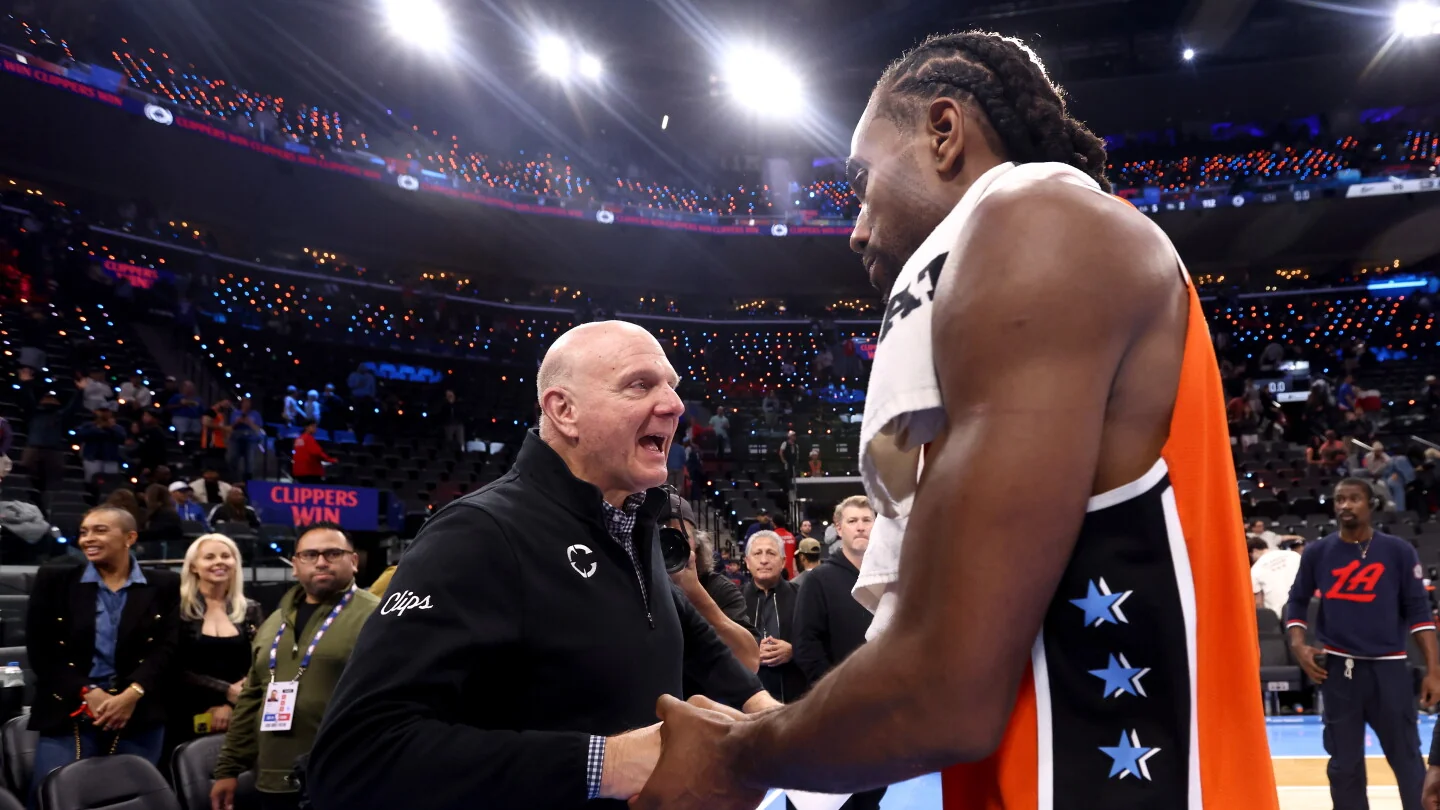
The NBA's Kawhi Leonard–Clippers investigation is no longer an allegation waiting for a ruling. On September 2, 2026, the league said the LA Clippers and Leonard violated salary-cap circumvention rules and imposed a punishment that reaches far beyond one fine or one season. The cleanest way to understand the case is to separate three questions: what was proved to the league's satisfaction, why the off-court arrangements mattered under the collective bargaining system, and how the sanctions change the franchise's future.
Status check, September 9, 2026
The penalties below are official. The Clippers dispute the findings, and the league left open the possibility of further action if investigators receive additional information.
The confirmed ruling at a glance
The headline number is five first-round draft picks, but it is only one part of a broad institutional penalty. The NBA treated this as an organizational failure involving ownership, basketball operations and business operations. That matters because a fan glancing at the transaction wire could otherwise conclude that Leonard's $700,000 payment was the center of the punishment. It was not. The most damaging consequences sit with the franchise and its decision-makers.
Every penalty announced on September 2
LA Clippers
A $30 million fine and forfeiture of one first-round pick in each draft from 2029 through 2033.
Steve Ballmer
A one-year suspension from his team-governor role and related league activity.
Team executives
President of basketball operations Lawrence Frank was suspended for six months; business-operations president Gillian Zucker was suspended for one year.
Kawhi Leonard
A $700,000 restitution payment tied to impermissible benefits, including unreimbursed expenses involving his representative.
The draft penalty is unusually easy to misread. The league did not merely move LA down a few slots or remove one asset at the end of the current roster cycle. It erased a first-round selection in five consecutive years. The effect belongs in any future draft-order and pick-control discussion involving the Clippers.
What the ruling did not do to Leonard's contract
Leonard was not suspended, and the league did not void his NBA contract. Those omissions explain why the basketball impact is initially counterintuitive: the player can remain available while the organization absorbs the much larger competitive penalty. A voided contract would have immediately changed roster rights, cap accounting and the status of any subsequent transaction. A suspension would have changed the opening portion of the 2026–27 NBA schedule. Neither happened in the September 2 ruling.
That distinction also sets the limits of this explainer. The announced sanctions are facts; the Clippers' planned challenge and any further evidence are unresolved. Readers should resist turning either side's public statement into the final legal word. For now, the operative league result is severe team discipline, leadership absences and restitution for Leonard without a playing ban.
How the investigation reached a cap-circumvention finding
The case was often compressed into a phrase such as “no-show endorsement,” but the league's conclusion was broader. According to the NBA, the independent investigation found repeated conduct through which Clippers personnel helped create off-court income opportunities between Leonard and companies that had business with the team. The commercial connection is the essential bridge: this was not a review of whether a famous athlete may sign ordinary advertising deals.
The Aspiration agreement that triggered scrutiny
Public attention began with a reported four-year, $28 million endorsement agreement between Leonard's company and Aspiration Fund Adviser. Aspiration was also a major Clippers business partner. The unusual features reported around the agreement—including its relationship to Leonard remaining a Clipper and questions about the services expected—made it look less like a market-rate endorsement standing on its own and more like compensation linked to his team employment.
The NBA began its investigation in September 2025 and retained Wachtell, Lipton, Rosen & Katz. The resulting review lasted almost a year. The league's September 2026 announcement said Ballmer knowingly sought to help Leonard obtain off-court income and approved a team business arrangement that he knew was a precondition to the Aspiration endorsement. Ballmer and the Clippers reject that characterization. That dispute should remain visible because it is central to any future challenge, even though it does not change the league's present ruling.
The wider pattern investigators described
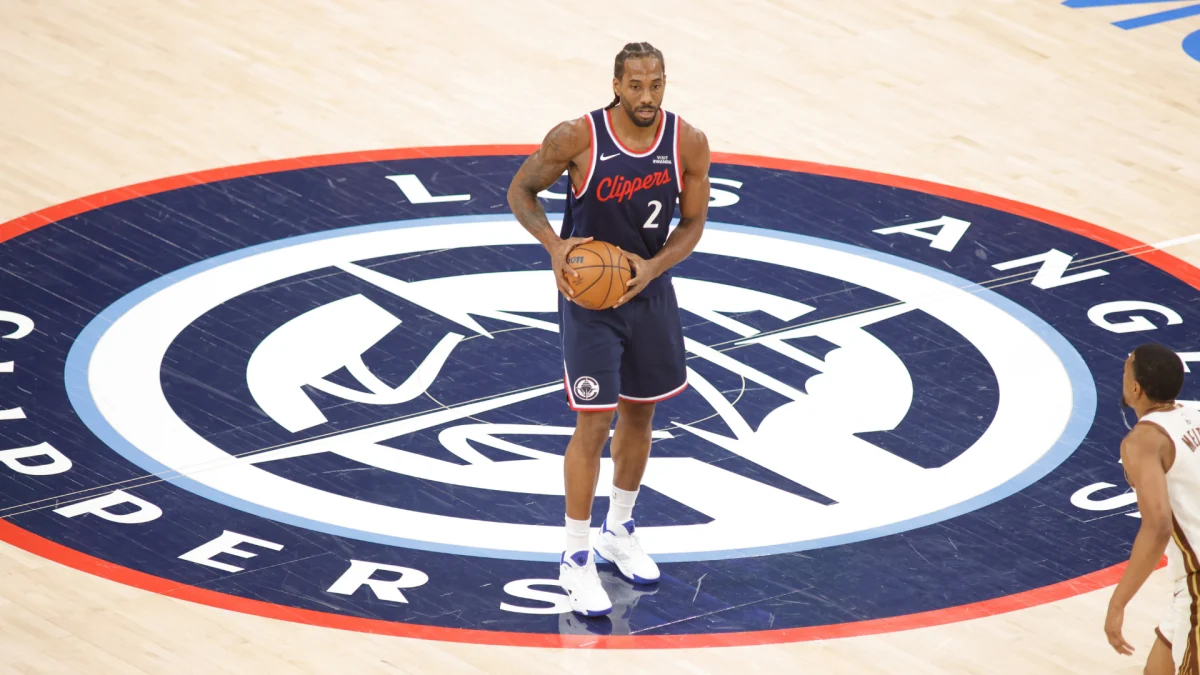
Aspiration was the trigger, not the entire case. The league identified four companies: Aspiration Partners, Boingo Wireless, Daktronics and Lockton Insurance. Investigators concluded that Clippers personnel initiated or facilitated endorsement opportunities between Leonard and those businesses, while the companies were doing or seeking business with the organization. The NBA also cited impermissible personal expenses involving Leonard's representative.
That pattern explains the organizational sanctions. Gillian Zucker's business-side role and Lawrence Frank's basketball-side role placed the conduct across departments that normally have different mandates. The league's position was that the club needed safeguards precisely because commercial staff, team partners and player-recruitment interests can overlap. A single introduction might be explained as networking. Multiple arrangements, coupled with business flowing between the same parties, produced the pattern the investigators said they found.
Why outside income can become hidden player compensation
The cap does not prohibit players from earning endorsement money. Stars can make far more from shoes, drinks or technology campaigns than many teammates earn in salary. The CBA problem arises when a team or team affiliate reaches an agreement or understanding with a sponsor, business partner or third party to pay a player for basketball services while labeling the payment as something else.
That rule protects more than an accounting spreadsheet. Max-salary rules limit what every team can formally offer. If a wealthy owner could attach a sponsor-funded side payment to a max contract, the official maximum would stop being a meaningful maximum. Teams without the same owner resources or commercial network would compete under a different compensation system. That is why Commissioner Adam Silver framed collectively bargained player compensation as part of competitive integrity. The allegation did not need to be “the Clippers wrote Leonard a secret game check.” The league concluded that team-created business value was used to generate additional player benefits beyond the contract framework.
What five lost first-round picks do to the Clippers
The $30 million fine is enormous in ordinary terms, but Ballmer's wealth means it does not directly reduce a roster slot or remove a trade asset. The picks do. First-round selections have two uses at once: they can become cost-controlled players, or they can be packaged to acquire proven talent. LA now has five fewer chances to do either during the years when the franchise may most need a new foundation.
The 2029–2033 draft window
The exact language matters: the Clippers must forfeit one first-round pick in each draft from 2029 through 2033. A forfeited pick disappears; another club does not automatically receive it as compensation. Existing swaps and incoming selections are separate instruments. Reporting after the ruling, for example, said Philadelphia's top-three-protected right to swap with LA in 2029 remains intact, while the 2029 Indiana first obtained by the Clippers is the selection removed for that draft.
| Draft | Penalty | Planning consequence |
|---|---|---|
| 2029 | One first forfeited | First hit arrives while older obligations and swaps still matter. |
| 2030–2032 | One first each year | Three consecutive draft cycles lose a premium asset. |
| 2033 | One first forfeited | The sanction reaches seven seasons beyond the ruling date. |
That is different from saying the Clippers can never hold any first-rounder in those years. An incoming pick can still exist, subject to the final treatment of the relevant transaction and the league's order. Fans evaluating any future deal should check the specific pick's origin, protections and swap rights rather than repeating a blanket “no firsts until 2034” line.
Fewer escape routes for an aging roster
Draft losses become most damaging when timing turns. A contender can tolerate a thin prospect pipeline while its stars are healthy and winning. Once that window closes, the same team needs inexpensive contributors because veteran salaries, tax pressure and apron restrictions make it harder to buy a replacement core. The Clippers' punishment lands in precisely that future zone.
The remaining front-office choices are uncomfortable. LA can prioritize younger players and second-round development, turn current veterans into new draft capital where the market allows, use cap flexibility to absorb contracts with assets attached, or keep chasing short-term relevance. Every route demands more precision because five premium mistakes have already been imposed before the scouts make a selection. A useful way to follow the practical impact is through the club's Clippers schedule: availability, lineup age and whether the team remains competitive will determine when management feels pressure to pivot.
Leadership suspensions create an immediate operating problem
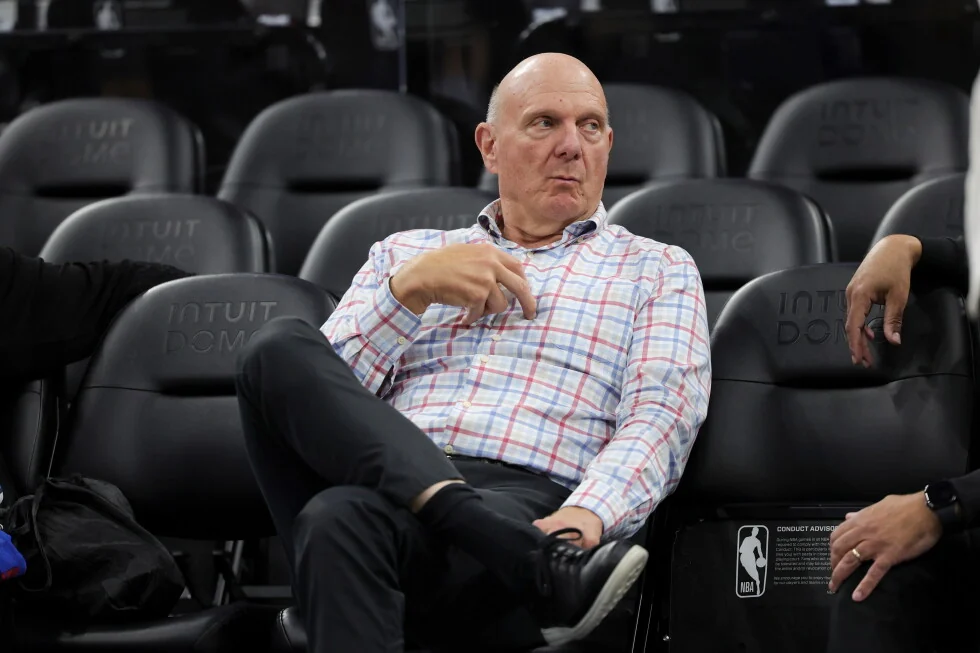
The pick forfeitures begin in 2029, but the leadership problem begins now. Ballmer is barred from all team and league activities for one year. Zucker's one-year unpaid suspension removes the head of business operations, while Frank's six-month unpaid suspension removes the top basketball executive during a period that spans training camp, the opening months of the season and much of the runway toward the trade deadline.
NBA teams do not stop functioning when one executive is unavailable. Scouts still file reports, coaches still prepare lineups, medical staff still manage availability and other executives can execute delegated decisions. The complication here is simultaneous authority loss at three levels. Who can approve a major transaction? Who represents the club in governor-level league business? Who signs off on a new partnership involving a player? Even when internal succession is orderly, other teams and agents need to know which voice is final.
The calendar pressure
A six-month suspension announced September 2 runs through the part of the NBA year when rosters are tested, injuries expose weaknesses and sellers begin to set trade prices. That makes delegated basketball authority a competitive issue, not merely a corporate formality.
The league's wording also points to the repair work it expects. Silver described “institutional and leadership failures,” while the findings attached different conduct to the business and basketball sides. A credible response therefore requires controls across both: written boundaries for sponsor introductions, expense approval and reimbursement rules, counsel review of player-adjacent business, and records that allow compliance staff to challenge even an owner's preferred deal.
As of September 9, the Clippers had not supplied a public decision chart detailed enough to identify every interim authority. It would be speculation to assign final power to a particular executive. The observable test will be consistency: whether roster decisions proceed on time, whether counterparties know who can commit the club, and whether the organization explains new safeguards rather than treating the suspensions as an absence to wait out.
Why this case is compared with Joe Smith—and where it differs
The natural historical comparison is Minnesota's 2000 Joe Smith case. It remains the reference point because the league again used the punishment that most directly damages team building: five first-round picks. Yet saying “same crime, same penalty” erases the feature that explains the different player outcome.
The precedent that still frames cap-circumvention punishment
Minnesota and Smith had a written secret arrangement under which Smith would sign below-market short-term contracts, allowing the Timberwolves to preserve cap room, then receive a much larger deal after the team accumulated the rights needed to exceed the cap. An arbitrator ruled that the arrangement violated the rules. Commissioner David Stern initially removed five first-rounders, fined the club $3.5 million, suspended owner Glen Taylor and took action against basketball leadership. Smith's current and earlier Minnesota contracts were voided.
Two of the five Minnesota picks were eventually restored, so the final draft cost was three. That later reduction should not obscure why the original order still looms over this case: commissioners view a coordinated plan to defeat negotiated compensation limits as a threat to the competitive system, and picks impose a sporting consequence that cash alone cannot.
Why Leonard's contract survived
The Smith documents directly promised a future NBA contract and exposed a plan to manipulate formal team salary. The Clippers finding concerned off-court endorsements and benefits arranged through companies connected to the team. The league concluded that those arrangements were impermissible compensation, but it did not void Leonard's NBA employment contract. He paid restitution and remained unsuspended.
That does not mean the NBA declared the outside arrangements harmless. It means the remedy followed a different evidentiary and contractual shape. A player contract is a negotiated right involving the player, club and union framework; removing it is more direct than fining the organization or taking team assets. The public instinct that every cap-circumvention case must produce identical sanctions is understandable, but precedent guides a decision rather than mechanically deciding it.
What proportional punishment means here
| Element | Minnesota / Smith | Clippers / Leonard |
|---|---|---|
| Core mechanism | Secret promise of later NBA salary | Team-linked outside deals and benefits |
| Initial first-round penalty | Five picks | Five picks |
| Player contract | Voided | Not voided |
| Leadership | Owner and basketball leadership sanctioned | Owner plus business and basketball presidents suspended |
The best proportionality test is whether the sanction removes the incentive to repeat the behavior. LA loses money, leadership access and five assets that could shape the 2030s. Critics can reasonably argue that Leonard's personal consequence was too light; defenders of the ruling can point to the absence of a Smith-style written promise tied directly to his NBA contract. Both views should begin with the actual differences rather than a slogan about precedent.
What happens next for the Clippers, Leonard and the league
The September 2 announcement resolves the league's primary finding, but it does not guarantee a quiet ending. There are two live tracks: the Clippers' effort to contest the sanctions and the investigators' statement that they continue to receive relevant information. Neither track should be described as a completed appeal or a new violation before an actual filing or league order exists.
Challenges, continuing evidence and update points
The Clippers said they vehemently reject the findings and intend to use every available avenue. At the same time, reporting cited a league source saying the NBA's bylaws do not provide the club a formal internal appeal or arbitration process for this ruling. Those positions are in tension. If LA proceeds, the significant update will be a filed external action, an agreed process or a formal stay—not another strongly worded statement.
The NBA also said Wachtell Lipton was still receiving information and that further action could follow where appropriate. That language is narrower than saying the entire case remains undecided. The existing sanctions are operative. New evidence would need to produce a new league action before it changes the five-pick schedule, the leadership suspensions or Leonard's status.
What fans should watch when the season begins
- Formal process: a court filing, league clarification or negotiated review that defines whether the penalty can be challenged.
- Basketball authority: who publicly handles trades, contract decisions and league contact during Frank's suspension.
- Draft accounting: the origin and protections of every first-rounder LA acquires or controls in 2029–2033.
- Player availability: any separate league action that changes Leonard's eligibility, because the September 2 ruling did not suspend him.
- Compliance changes: policies governing player endorsements, sponsor introductions and representative expenses.
For daily basketball purposes, use the NBA games today page and official injury reporting rather than assuming this investigation removes a player from a given matchup. For the case itself, use dated checkpoints. The facts confirmed on September 9 are already consequential: the NBA found circumvention, imposed record-scale organizational penalties, left Leonard's playing contract intact and removed five future first-round assets. The next meaningful change will come from an official order, a formal challenge or genuinely new evidence.
Sign in with Google to join the discussion.