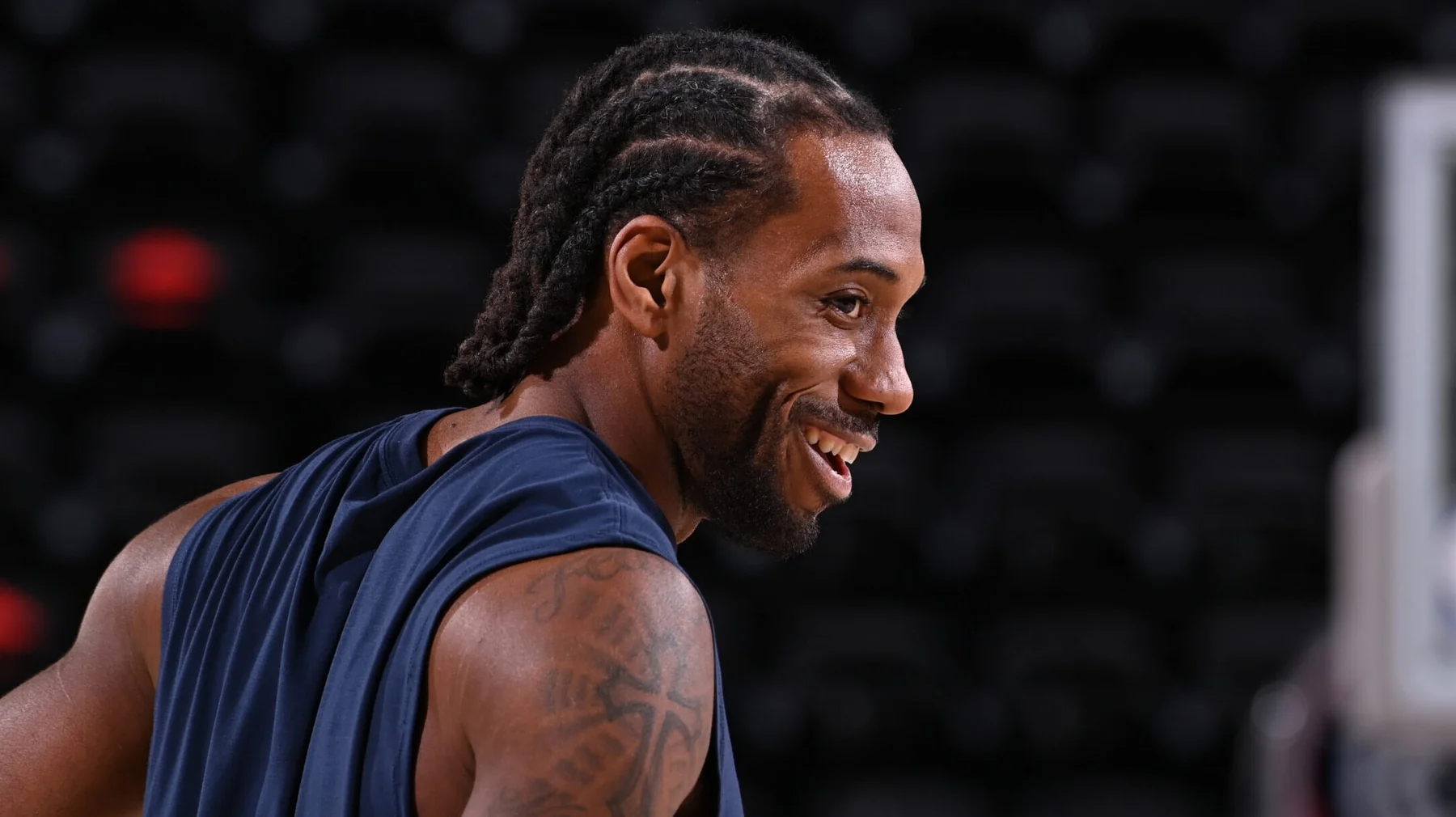
Kawhi Leonard's Raptors trade is agreed, but not complete
The most useful way to describe the Kawhi Leonard situation is precise rather than dramatic: Toronto and the LA Clippers have a reported agreement to send Leonard back to the Raptors, but the transaction had still not been completed as of September 9, 2026. That distinction matters. It means the trade package is real enough to analyze, yet Leonard should not be presented as an official member of Toronto's roster until the clubs finish the league process and announce the move.
The one-sentence status as of September 9
The deal remains pending after a two-month hold: the NBA's investigation that triggered the pause has ended, but the Clippers are working through a disrupted leadership structure before the trade can be finalized. NBA.com's offseason transaction tracker still describes Leonard's departure from LA and arrival in Toronto as a reported deal that is on hold. For fans checking rumors against reality, that league tracker and an official team announcement carry more weight than a depth chart, social-media follow or speculative jersey graphic.
Current reading
The destination and compensation have been reported. The administrative completion and team announcements are still outstanding. Until those arrive, both clubs retain their pre-trade players on the official books.
Agreement in principle versus an official NBA transaction
An agreement in principle says the basketball decision-makers have settled on the players and draft assets they are prepared to exchange. Completion requires the teams to submit the transaction, satisfy league rules and accept the legal and disciplinary consequences attached to the contracts. That final step became unusually important here because Toronto was warned that it would inherit any player-level consequence arising from the Clippers investigation if it accepted Leonard's contract.
The hold therefore did not automatically cancel the negotiated trade, and the conclusion of the investigation did not automatically execute it. Toronto paused because an undefined downside could have changed what it was buying. Once the league specified Leonard's penalty, the uncertainty narrowed, but LA still needed authorized officials to finish the transaction. This is why headlines can accurately say the clubs “agreed” while the NBA team pages and schedules should still be read using the official roster status. The next meaningful signal is a Raptors or Clippers release confirming completion, followed by the NBA transaction log—not another prediction about when the call will occur.
The full Raptors-Clippers trade package
The reported exchange is much larger than “Kawhi for Brandon Ingram.” Toronto would send two rotation wings and control over five future draft outcomes, including two unprotected first-rounders far beyond the current roster's competitive horizon. LA would send Leonard, a two-time Finals MVP who turns a good team into a more credible high-end playoff opponent when he is available.
Toronto reportedly receives
Kawhi Leonard
One elite two-way wing, with one guaranteed season remaining under the contract reported at the time of the agreement.
LA reportedly receives
- Brandon Ingram
- Gradey Dick
- Unprotected first-round picks in 2031 and 2033
- A 2027 first-round pick swap
- Second-round picks in 2030 and 2033
Ingram is more than matching salary. He gives the Clippers a 28-year-old shot creator who can run pick-and-roll, score from the elbows and absorb possessions after Leonard's exit. Dick is the developmental bet: a movement shooter whose value depends on whether he grows into a reliable two-way starter. Their inclusion lets LA remain functional in 2026-27 while acquiring the kind of distant draft capital that can appreciate if Toronto's present core ages out.
For the Raptors, the 2031 and 2033 firsts carry the deepest risk because “unprotected” means there is no lottery safety net if Toronto is bad in those seasons. The 2027 swap is nearer and therefore easier to project, while second-rounders are useful but rarely decide a blockbuster grade. Toronto is effectively consolidating several medium-to-high-value assets into one player whose best postseason possessions can still decide a series.
That makes the trade a timeline exchange. The Clippers trade immediate star ceiling for flexibility, playable wings and long-dated upside. Toronto trades depth and optionality for a shorter, sharper contention window. Fans should judge the package over two clocks: what Leonard adds to the 2026-27 NBA schedule, and what those unprotected picks become after the current team is gone. A championship-level run can make the price rational; one abbreviated season would leave the future cost exposed.
Why the trade was paused and why it is still delayed
The reason changed over the summer. Toronto initially stopped because the investigation created an open-ended player and contract risk. After the NBA announced its findings on September 2, that specific uncertainty became measurable. The subsequent delay has been linked in reporting to the Clippers' need to establish who can run basketball operations and complete the deal after senior officials were suspended.
Toronto refused to inherit an undefined disciplinary risk
When the teams prepared to finalize the trade in July, the league told Toronto that any investigation outcome affecting Leonard would travel with him. The Raptors publicly said they would wait. That was a rational response to the widest possible range of consequences then under discussion. If a player were unavailable for a meaningful stretch—or if the contract itself were affected—the value of two unprotected firsts, a swap, two seconds and two wings would change substantially.
The NBA was not stopping Toronto from making a basketball bet. It was making clear who would bear the downside after completion. Until the sanction was defined, Toronto could either accept an unusually broad risk, renegotiate protection or wait. The club chose the reversible option. That helps explain the frustration among fans: the players had been reported as traded, but the official process left both rosters in limbo through much of the offseason.
The investigation ended, but the Clippers' front office was disrupted
On September 2, the NBA said an independent investigation found a pattern of salary-cap circumvention violations connected to off-court income opportunities for Leonard. The league fined the Clippers $30 million, ordered five first-round pick forfeitures and suspended owner Steve Ballmer for one year. President of basketball operations Lawrence Frank received a six-month suspension, while business president Gillian Zucker was suspended for one year. Leonard was fined $700,000.
For Toronto, the key detail was what the league did not do: the announced discipline did not void Leonard's contract or suspend him from games. That removed the most damaging basketball outcomes Toronto had guarded against. It did not, however, restore the Clippers' chain of command. Reporting on September 8 identified the team's work on a new front-office structure after the Ballmer and Frank suspensions as a prime reason the trade had not yet crossed the line. “Prime” should not be stretched into “only”; transaction paperwork, approvals or revised language could also remain.
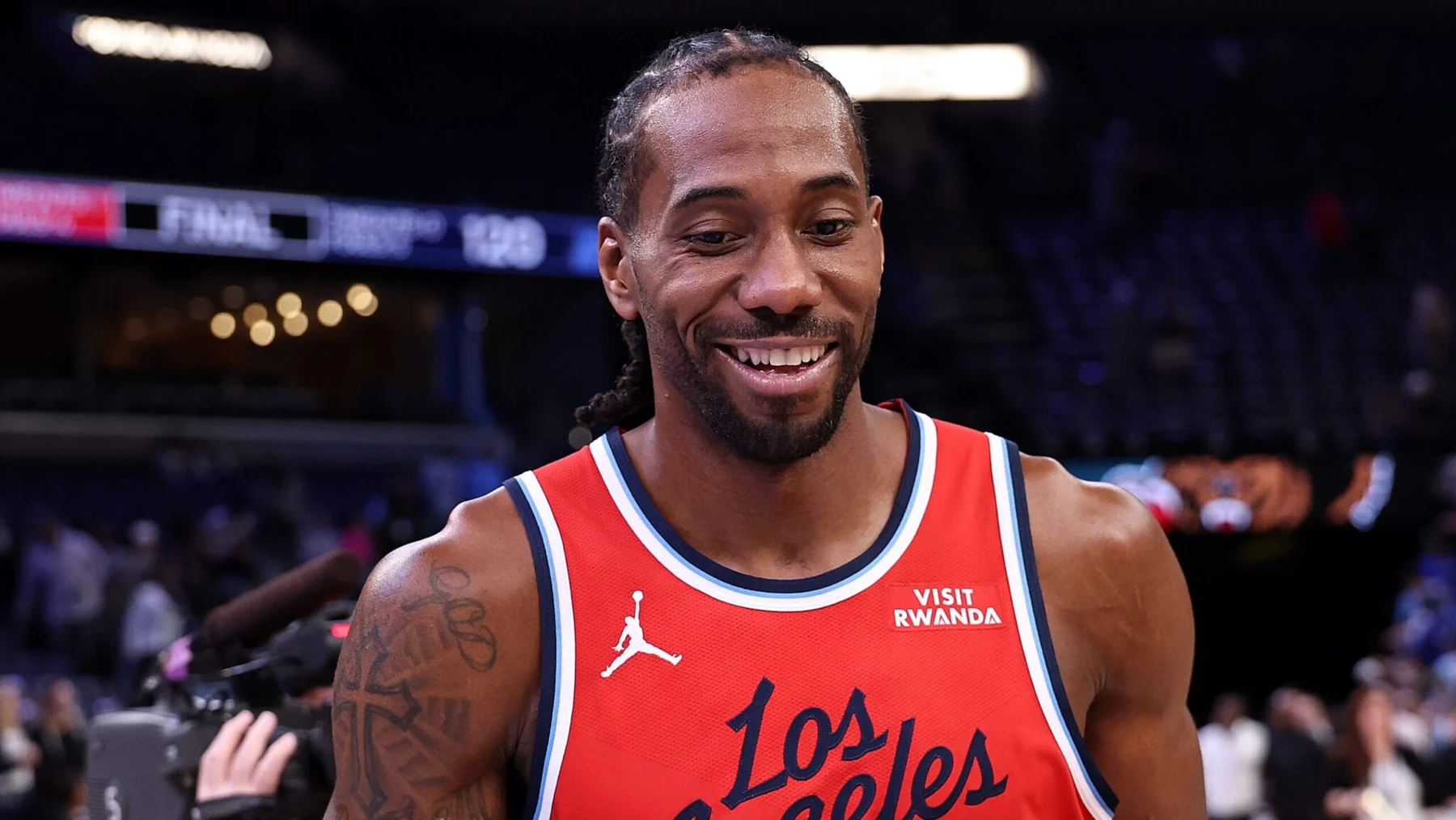
What still has to happen before Leonard becomes a Raptor
First, LA needs an authorized basketball-operations structure able to approve and submit the transaction. Second, both teams must reaffirm the agreed terms and any risk-allocation language after seeing the final penalties. Third, the league must process the trade. Only then should the clubs issue completion announcements and update their rosters.
None of those steps guarantees a public countdown. The absence of an announced deadline does not prove that the package is being renegotiated, nor does Leonard working out with Toronto players complete a trade. Fans can reasonably infer that the largest investigation risk has passed and still acknowledge that an unsigned transaction can change. The safest language is “expected to be completed” when attributed to reporting, while the current fact remains “agreed and pending.”
What Toronto is buying on the court
The attraction is not nostalgia for 2019. Toronto is buying a playoff possession-solver for a roster that already proved it can defend, move the ball through Scottie Barnes and make a strong opponent work. Leonard averaged 27.9 points, 6.4 rebounds and 3.6 assists in 65 games for LA in 2025-26. At his best, he creates efficient offense without needing a spread pick-and-roll on every trip.
Leonard raises the half-court ceiling
Late in playoff games, opponents switch more often, stay home on shooters and force stars to score against set defenders. Leonard's strength, footwork and pull-up shooting give Toronto an answer that does not require a mismatch. He can attack a smaller switch from the mid-post, reject a screen or draw a second defender from the nail. That gravity should create simpler decisions for Immanuel Quickley and RJ Barrett.
Quickley is the clearest fit beneficiary. He shot 37.4% from three and averaged 5.9 assists in 2025-26, but asking him to organize every difficult possession stretches his best role. Beside Leonard and Barnes, he can push pace, attack a tilted defense and take more catch-and-shoot or one-dribble threes. Barrett can remain the downhill pressure player, cutting behind Leonard's isolations or attacking a closeout rather than beginning every possession against a loaded paint.
Barnes should still touch the ball early. His 25-point, 14-assist Game 6 against Cleveland showed why reducing him to a corner spacer would waste the roster's best connective passer. A productive hierarchy has Barnes initiating, Leonard finishing the hardest possessions and Quickley relocating around both. Ingram occupied some similar midrange space, but Leonard's stronger shooting threat and postseason scoring record raise the ceiling of the same basic structure.
The defensive fit is powerful but role-sensitive
Leonard and Barnes give Toronto two large forwards capable of switching, showing help and disrupting passing lanes. That can erase the first action in an opponent's playbook. Collin Murray-Boyles adds another mobile body for lineups built to switch across four or five positions. Toronto can use Leonard on a dangerous wing, let Barnes roam toward the ball and keep a smaller guard away from the primary matchup.
The hard question is the fifth spot. Jakob Poeltl supplies screens, rebounding and interior size, but NBA.com's trade analysis noted his recent difficulty defending in space and a 2025-26 opponent mark of 63.9% at the rim when he was the protector. Using Poeltl preserves conventional rim coverage but crowds the floor if Barnes, Barrett and Leonard all operate inside the arc. Using Murray-Boyles improves mobility while asking a young frontcourt to handle elite centers and defensive rebounding.
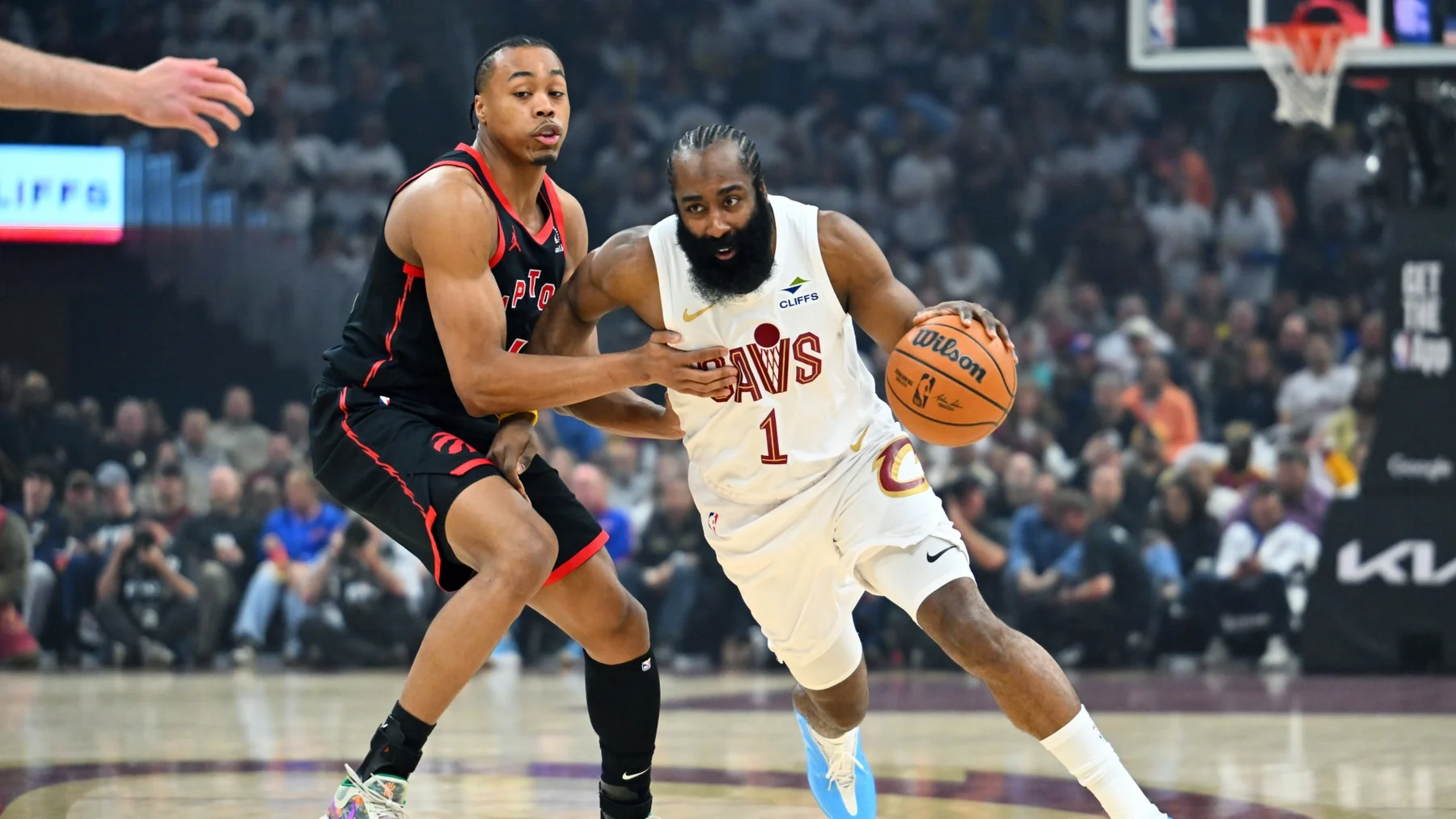
The best answer may change by opponent. Big lineups can protect the glass with Poeltl; switching groups can close with Murray-Boyles. Leonard makes both versions more credible, but his reputation alone does not guarantee an elite defense at age 35. Toronto still needs point-of-attack effort from Quickley and Barrett, clean transition defense and enough shooting to avoid defending after empty possessions. Fans can use the Raptors schedule to identify the back-to-backs and size matchups most likely to shape those choices.
The cost, contract and availability risk
Leonard is owed a reported $50.3 million in 2026-27, the final season of his current contract. Reports say he intends to discuss an extension with Toronto and is eligible for as much as two additional years and $123.7 million. Until an extension is signed, those later seasons are a negotiation rather than guaranteed Raptors years. That distinction matters when the trade price includes unprotected picks in 2031 and 2033.
Toronto is paying for a short championship window
At 35, Leonard is still good enough to change Toronto's postseason ceiling. His 65 appearances in 2025-26 were encouraging, but they were also only the second time in his seven Clippers seasons that he reached 65 games. Across that tenure, he played 331 of a possible 554 regular-season games and missed the entire 2021-22 season after an ACL injury. Those facts describe volatility; they do not predict that another injury will occur.
The Raptors' task is to turn availability into a plan. They can identify back-to-backs, long travel stretches and dense four-game weeks before the season begins, then decide where reduced minutes or a planned absence is least damaging. They also need enough creation to survive those nights. Trading Ingram removes a player who could absorb high-usage possessions, while Dick's shooting would otherwise help lineups maintain spacing. Barrett, Quickley and Barnes therefore carry real regular-season responsibility even if Leonard becomes the playoff closer.
Upside
Elite half-court scoring and switchable defense in a playoff series.
Immediate risk
A $50.3 million star whose minutes may need active management.
Long-tail risk
Unprotected firsts can retain downside years after the contention window closes.
An extension would reduce the risk of Leonard leaving after one season while increasing the cap commitment through his late thirties. Toronto would be betting that Barnes' prime and Leonard's remaining elite years overlap long enough to contend, and that younger contracts can support two expensive stars. The trade is not defensible merely because the 2019 gamble worked. It is defensible if management believes this roster is already close, preserves enough depth to manage Leonard through the NBA calendar, and treats May availability as the central performance target.
How fans should track the deal from here
The finish line is documentary. A report that the teams expect completion is useful news; an official Raptors or Clippers release and an NBA transaction entry establish that completion occurred. NBA.com's offseason tracker is especially helpful because it labels moves as official or reported. As of September 9, it still marked Leonard's Toronto move and the corresponding departures as a deal on hold.
Three checks that settle the status
- 1. Team release: Toronto announces Leonard's acquisition and LA announces the outgoing transaction.
- 2. NBA transactions: the league log records the contract assignment rather than a reported agreement.
- 3. Updated rosters: Leonard appears with Toronto while Ingram and Dick move to LA, with no “on hold” label.
Third-party roster and fantasy pages can move faster than the paperwork, and some already describe the trade in completed tense. They are useful for projections but cannot resolve the official status. Social clues—workouts, follows, jersey mockups or players speaking as though the move will happen—show expectation, not execution. The same standard applies to an extension: reported intent is not a signed contract.
If the transaction closes on the reported terms, Toronto gets the best player in the deal and a real postseason closer. The Raptors also accept a concentrated health and contract risk, surrender two useful wings and place distant unprotected picks behind a short contention window. LA receives flexibility, immediate scoring and a chance for those future picks to grow in value. That is the complete trade argument; the investigation delay explains timing, but it does not erase the basketball gamble.
After confirmation, the next questions become practical: Leonard's training-camp availability, Toronto's starting center choice, the back-to-back plan and how quickly Barnes and Leonard divide late-game creation. Follow the NBA TV schedule for national windows once game assignments are set. Until the official notices arrive, the accurate label remains simple: a blockbuster agreement that is expected, analyzed and still pending.
Sign in with Google to join the discussion.