What happened to Knicks ticket prices in September 2026?
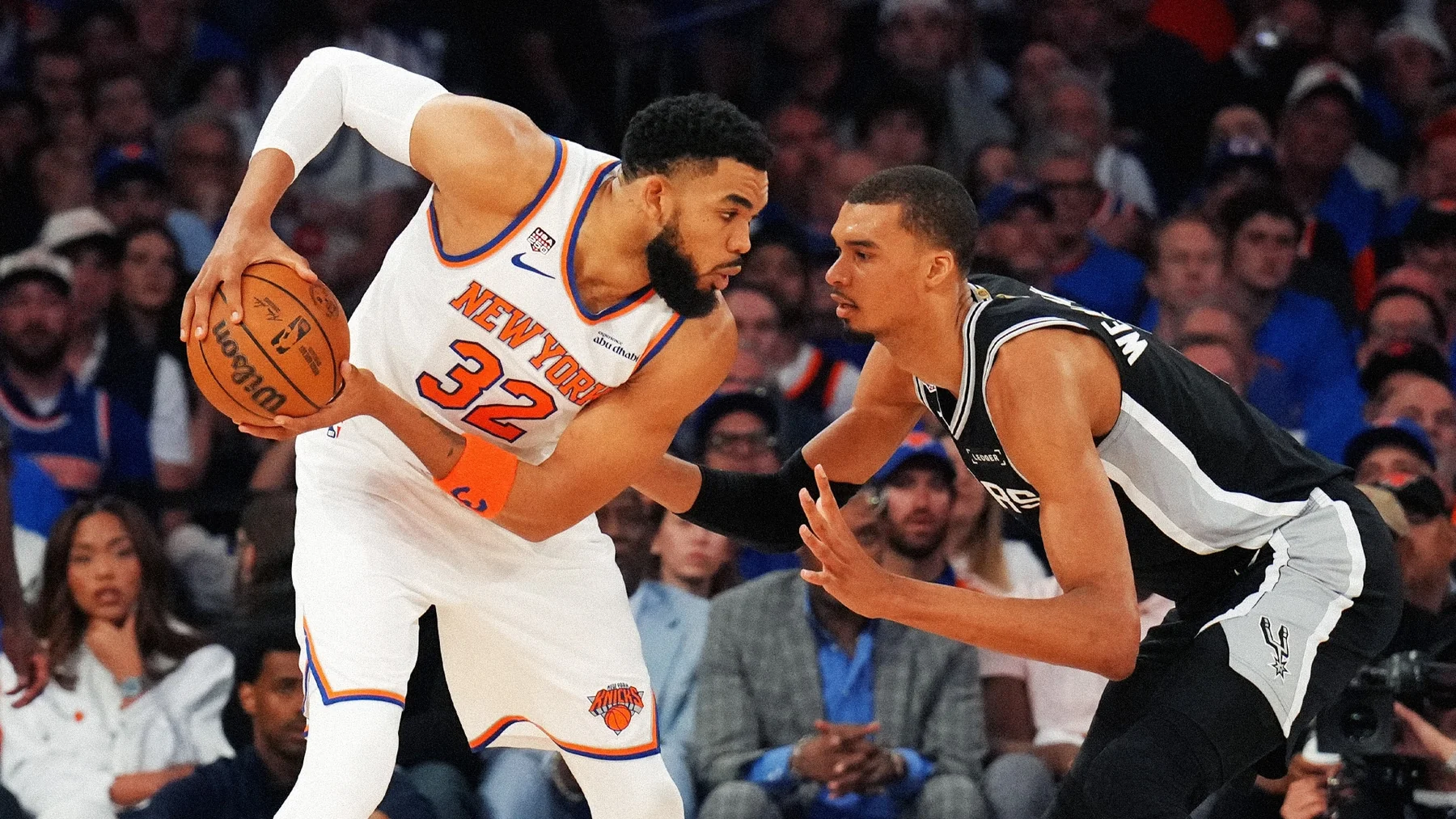
The New York Knicks' 2026–27 individual-game sale opened with prices that startled even fans accustomed to Madison Square Garden premiums. The entry price shown for the October 20 home opener against Philadelphia exceeded $1,000, according to the Associated Press. On September 17, Madison Square Garden Sports said the listing reflected a pricing mistake, paused individual-ticket sales and promised to refund eligible buyers the difference when corrected prices were introduced. The pause concerned single-game sales, not a canceled game or a change to the Knicks' schedule.
The pause, price reset and relaunch
MSG Sports said the reset would use last season's prices with an average 12% increase. Its original statement promised a difference refund to people who had already bought individual tickets at the erroneous price. The Associated Press reported that the season-ticket purchase process, which had begun months earlier, was unaffected. That distinction matters: an existing season plan, a newly purchased standard single-game ticket and a resale listing are not the same transaction.
The sale did return. A September 23 report by Stefan Bondy, carrying a fresh statement from a Garden spokesman, said corrected individual tickets went back on sale through Ticketmaster that morning. The spokesman said fans who paid more during the first release would receive direct communication about their refund. That is a useful update to the September 17 pause story, but it is still a statement about a process. It does not establish that every adjustment has reached every account.
What is confirmed as of September 28
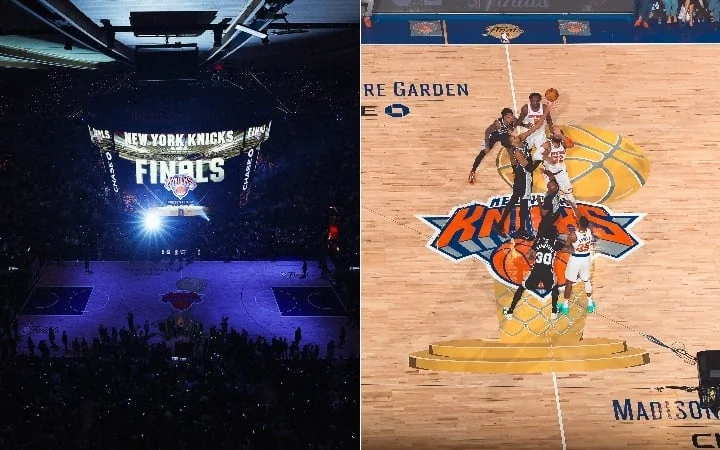
The firm public facts are the admitted mistake, the announced average increase, the promised difference refund for affected individual-game buyers and the September 23 relaunch. The league's own 2026–27 schedule places the Philadelphia game at MSG on Tuesday, October 20 at 7 p.m. ET, with New York's championship-banner celebration. A local report elsewhere gave October 5, but the NBA schedule identifies that earlier date as a Knicks preseason trip to Philadelphia. Check the event date and venue on the official listing before acting on any old screenshot or social post.
One question the public statements do not answer is exactly how the erroneous initial price was set. Commentary about dynamic pricing may be plausible, but MSG called it a mistake and did not publish a technical account. Treat the cause as unresolved. For the buyer, the useful distinction is simpler: what was charged, what the corrected comparable ticket costs, and what the team or ticketing account says will be returned.
What does the announced 12% average increase actually mean?
“Last year's prices plus an average increase of 12%” is a description of the Knicks' revised pricing plan, not a promise that every seat for every game rose by exactly 12%. The qualifier average is doing real work. Prices can differ by opponent, date, seat location and inventory category, while the team can still describe its overall revision with one average figure. Neither MSG Sports' September 17 statement nor its September 23 relaunch update published a public seat-by-seat comparison table. That is why a fan cannot calculate a certain refund by taking 12% of the first amount charged.
Consider a purely illustrative example. If a comparable seat cost $200 last season, multiplying by 1.12 produces $224. But the team has not said that a specific $200 seat in a specific game now costs $224. A different opponent, day of week, row, sale category or seat inventory could yield another figure. For someone who paid an erroneous price, the operative number is the corrected price for the same purchased ticket, as shown by the team or seller—not a percentage pulled from a news headline.
Team-set standard ticket
This is the primary-sale category implicated by the Knicks' statement. Compare the same game, section, row and seat; then check the itemized transaction.
Fan or broker resale ticket
A seller's asking price can move independently of the Knicks' stated average adjustment. A cheaper team-set face value does not automatically reset a resale listing.
Ticketmaster's help pages distinguish the underlying ticket price from required fees and show a breakdown at checkout. For this incident, that matters twice. First, a comparison between two bare face-value numbers is not the same as a comparison between total amounts paid. Second, a fee or tax question should be asked with the original receipt in hand; the Knicks' public statements do not specify how each fee will be recalculated. The safe reading is that a qualifying buyer is promised the difference attributable to the corrected single-game price, while the final transaction-level calculation needs confirmation in the account or direct refund notice.
The initial $1,000-plus entry price reported for banner night is evidence of the erroneous launch, not a reliable current “Knicks tickets start at” quote. Even after correction, a championship celebration against a marquee opponent may have a different price profile from an ordinary midweek home game. Averages help describe the policy change; they do not replace the live listing for the actual seat a fan wants.
Who qualifies for a refund, and what remains unclear?
MSG Sports' promise is specific: people who already bought individual-game Knicks tickets at a price above the corrected level would be refunded the difference. The team's later relaunch statement said those who paid more in the first sale would receive direct communication. The announcement does not give every buyer a single refund percentage or amount. It also does not say that a ticket bought at a corrected price receives another automatic discount.
Direct single-game buyers have the clearest promise
If you bought a standard ticket directly during the first September sale, the confirmation email and order history are the starting point. The Associated Press described early Fan First windows and the ensuing general sale as individual-game purchases. Both are more closely aligned with the team statement than a season-ticket plan, which AP said was not part of the interrupted purchase process. The September 23 relaunch statement sharpened the test: did the original purchaser pay more than the corrected price? If so, the team said it would contact that fan about the refund.
That wording is also a reason to avoid assuming every early buyer gets the same check. Some seats or games may have changed more than others. A purchaser whose original seat did not exceed its corrected counterpart may have no difference to return. The team has not released an individual-seat reconciliation schedule for public inspection, so your own order and any team message carry more weight than a screenshot of a nearby row.
Fees, resale purchases and transfers need transaction-level answers
A resale purchase involves a second seller's asking price. The MSG statement addressed the Knicks' initial individual-ticket pricing, not every fan-to-fan resale transaction. If you bought through a resale listing, ask that platform or the original seller what, if anything, happens when the underlying ticket's face value changes. The same caution applies if a ticket was transferred after purchase: the person who made the original payment may be the person receiving the account notification. Those are practical possibilities, not a published Knicks refund policy for resale or transfers.
Mandatory fees and taxes are another unresolved part of the public announcement. Ticketmaster provides an itemized order breakdown, but neither the September 17 nor September 23 MSG wording explains whether every fee is recalculated in the partial refund. Do not assume a $100 change in face value produces exactly a $100 change in the final card credit. Use the original total, the adjusted total and any refund line to ask a precise question.
Keep a clean record while you wait
- Save the original confirmation email and receipt, including event date, section, row, seat, order number and itemized total.
- Check the inbox and spam folder tied to the purchasing account for direct communication from the Knicks or ticketing provider.
- Open the order in Ticketmaster or the relevant Knicks team account. Ticketmaster says sporting-event receipts can sometimes live in a branded team account rather than the general app.
- If a notice is missing or the figures conflict, contact support from the existing order and ask for the corrected seat price, fee treatment and expected payment route.
Some fans posted screenshots or accounts of refund emails on September 23, while others asked how much they would receive. Those posts establish that confusion persisted after the relaunch; they cannot establish that every buyer has been processed or that a fan-reported time estimate applies to everyone. As of this article's September 28 cutoff, the public record supports a promised adjustment and direct contact, not a universal completion date. Avoid relying on the generic “request refund” process for canceled events unless your actual order instructions direct you there; this incident concerns a partial price correction for games still scheduled to be played.
How to shop the corrected sale without repeating the surprise
Start with the game, then the seller, then the seat. That order protects against the most common bad comparison: seeing a very high or very low number online and assuming it is the Knicks' corrected standard price. The NBA's official ticket hub routes its Knicks “Buy Tickets” entry to Ticketmaster, while also describing team inventory and an official resale marketplace as separate options. A ticket appearing in the same broad shopping environment can still be a reseller's listing rather than a newly priced seat released by the team.
Start with the official game, venue and seller
Use the Knicks team schedule or NBA schedule to confirm the date and building. The October 20 Philadelphia game is at Madison Square Garden, but New York goes to Boston on October 23 and returns home to host Orlando on October 25. A search result for “Knicks vs. Celtics tickets” may point to TD Garden, not a corrected MSG sale. Likewise, the October 5 Knicks–Sixers game is preseason in Philadelphia, not New York's regular-season banner night.
From the official game page, follow the ticket link and look at the listing label before you select seats. A primary standard ticket and a verified resale ticket can sit near each other in results but represent different pricing decisions. Do not assume “verified” means “priced by the Knicks”; it addresses the marketplace's ticket-handling status, not who chose the resale asking price. If the game is sold out of primary inventory, the remaining resale prices are not a transparent measure of the corrected team face value.
Compare the full checkout cost, not a screenshot
Set the same number of seats, then compare date, section, row, seat or sightline, listing type and final basket total. Ticketmaster says shoppers can expand the subtotal to view fees and can inspect the price breakdown before completing a purchase. Its help page also warns that a resold ticket may later display the ticket's original price, which differs from the amount a resale buyer paid. The purchasing receipt therefore remains the reliable record for your transaction.
Five checks before paying
- Confirm the opponent, game date, start time and arena on the live NBA schedule.
- Open the team or NBA ticket route instead of trusting an old social link.
- Identify standard admission versus resale and the exact seat location.
- Read the itemized total, including required fees and any taxes shown.
- Save the receipt and seller terms, especially if you might transfer or resell later.
Prices and availability can change between visits, and an arena may have very different views within the same broad section. A side-by-side comparison made at checkout is useful; a September 17 screenshot is a record of the error. If your priority is simply to attend one Knicks game, widening the date search can reveal different inventory. If your priority is the championship ceremony, compare only October 20 listings and budget for that event's distinctive demand.
Why some Knicks dates carry different ticket demand
The corrected-sale announcement gives an average adjustment, but fans buy a seat for one night. The season schedule shows why the demand story changes from game to game. October 20 is New York's first regular-season home date after a championship and includes a banner ceremony before the 76ers visit. It also brings a nationally televised matchup with major star power. That combination makes it a special event within the schedule; it does not make its September 17 erroneous entry price a valid benchmark for every future game.
November 27 is another confirmed home date with a different appeal. Miami visits MSG on Black Friday for an Emirates NBA Cup group-play finale. The league has marked it as part of a national Prime Video doubleheader. A Cup game has competitive stakes within its group, but do not mix this known fixture with later knockout-round placeholders. The teams and hosts in those later rounds depend on results, so buying travel or comparing prices around an unresolved knockout slot requires another check after group play.
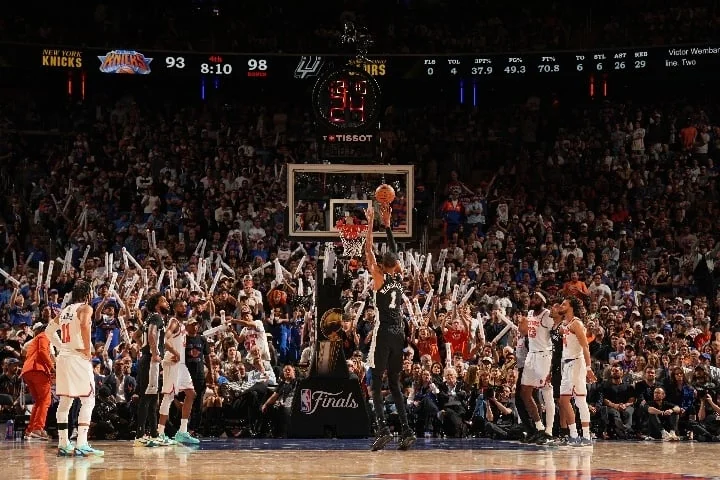
Christmas Day brings San Antonio back to the Garden at noon ET. The Knicks defeated the Spurs in five games in the 2026 Finals, and the NBA has promoted the December 25 game as a Finals rematch. A fan paying for that matchup is buying into a specific holiday and rivalry narrative. By contrast, the October 25 home game against Orlando is a regular Sunday fixture without a banner ceremony. It can serve as a different type of comparison in a live search, not as a guaranteed low-price option. Seat location and supply can outweigh calendar intuition.
Build a small shortlist around the experience you actually want: one ceremonial or nationally highlighted date, one ordinary home date, and perhaps a nearby alternative with comparable seats. Then compare the full ticket totals at the same moment. That is more informative than a “Knicks tickets cost X” claim. Even within one matchup, a lower-bowl sideline seat and an upper-level corner seat sell different views; a resale seller can add another premium. The team's corrected average tells you how its primary pricing was reset overall. The calendar tells you which individual game to investigate.
What fans should watch for next
For an affected early purchaser, the next meaningful update is personal and verifiable: a Knicks or ticketing-account message identifying the order, the corrected amount and the refund entry. MSG said on September 23 that people who had paid more would be contacted directly. Check that communication against your receipt and the same event and seat. If the order sits in a branded Knicks account rather than the general Ticketmaster view, Ticketmaster's own help pages advise checking the team account for sporting-event purchases.
If a notice arrives without an intelligible calculation, ask the seller's support team to explain the corrected ticket price, treatment of fees and the route of any credit. If no notice appears, use the existing order's support link and include its confirmation number; do not send payment details through a public social-media reply. Fans' September 28 discussions still show uncertainty about amounts, but those individual reports cannot tell you whether your account has been reconciled. A universal deadline or formula has not been announced publicly in the reporting reviewed for this guide.
For a new buyer, the checkpoint is the live standard-versus-resale listing and final checkout total. The price correction addressed an acknowledged mistake; it did not erase the Knicks' announced average increase or the demand generated by a title defense. Even a properly priced banner-night ticket can feel expensive. The sound decision is to choose the game first, inspect the actual seat and total, and spend only if that experience is worth the quoted amount to you. For a broader comparison across teams and sellers, use our NBA ticket buying guide; this page will remain focused on the Knicks' September 2026 correction.
Sign in with Google to join the discussion.