NBA premium seating guide
Realistic budgeting bands for regular-season, playoff and Finals floor seats—plus the difference between front row, courtside, face value and resale.
How much are NBA courtside tickets? There is no honest one-number answer. A less prominent weeknight in a softer market can surface in the high hundreds, while a center-court front-row seat for a superstar visit can cost several thousand dollars. In the NBA Finals, a scarce seat in a high-demand city can be listed for the price of a luxury car—or more.
The useful answer is a framework. This guide separates team/member pricing from resale, explains what “courtside” actually buys, and shows why a listing is not the same thing as a completed sale. Unless noted otherwise, every price below is per seat, not the cost of a pair, and should be checked again for fees before payment.
NBA courtside ticket prices at a glance
For initial budgeting, think in bands rather than averages. “Courtside” may describe the literal first row at midcourt, a floor seat behind a basket, or a premium section a few rows from the playing surface. Those products do not deliver the same view and should not carry the same price. Teams also reserve much of the best inventory for full-season members, sponsors and premium clients, so the single-game buyer often sees only a small resale sample.
| Situation | Useful per-seat budget | What the band means |
|---|---|---|
| Regular season, softer demand | About $500–$1,500 | More plausible for baseline/corner floor inventory, weekday games or a late seller; not guaranteed in every arena. |
| Regular season, premium matchup | About $1,500–$5,000+ | Star visits, weekends, rivalry games and better sideline rows can push well beyond the lower band. |
| True front row at center court | Often $3,000–$10,000+ | Extremely scarce inventory; celebrity markets and historic games can be far higher. |
| Playoffs and NBA Finals | Several thousand to $75,000+ | Round, city, series leverage and possible clinching scenarios overwhelm any normal-season baseline. |
These are editorial planning bands, not league-issued prices. A useful official reality check comes from Miami's 2026-27 full-season map, which publishes premium average prices around $947 to $1,558 per game for several top categories. That member pricing is not a promise of identical single-game availability. Conversely, the Clippers advertise Center Court Club memberships starting at $246 per game while directing fans to contact the team for exclusive courtside lounge products. The labels prove why comparing “premium” prices without a seat map can mislead.
A practical starting budget for two true courtside seats is therefore at least a few thousand dollars for many regular-season dates, plus fees, transportation and parking. If your total ceiling is below $1,000 for a pair, search baseline rows, floor-adjacent club seats or lower-bowl Row 1 before assuming literal courtside is attainable. Those alternatives can preserve proximity without paying the largest scarcity premium.
Why front-row prices change by team, opponent and seat
Courtside prices move because the product is both scarce and highly specific. The NBA's ticket FAQ says price can vary by opponent, day of week, section, row and individual seat. Teams also use variable pricing: the Spurs, for example, explain that opponent, weekday and overall demand change the assigned value of games within a season package. The same folding chair can therefore carry a very different price from one night to the next.
1. Team and market
Large, wealthy markets and teams with long membership waitlists usually produce less public inventory. A rebuilding team in a softer market may surface floor seats at a fraction of a glamour-market price.
2. Opponent and star availability
A rivalry, farewell tour or visit from a major star lifts demand. Ticket-market research also finds prices react when stars are announced out, although buyers can never guarantee a player will be available after purchase.
3. Date and stakes
Friday and Saturday nights often attract more buyers than ordinary weekdays. Opening night, Christmas, a record chase, a playoff clincher or a possible Finals closeout can turn a premium seat into a once-only asset.
4. Exact floor geometry
Midcourt sideline seats normally provide the cleanest full-court view. Baseline seats put fans beside rim action but can be screened by the basket stanchion. Behind-bench seats offer unique access yet players and coaches may obstruct play.
5. Hospitality and access
Some floor products bundle a private entrance, lounge, food, drinks, parking or in-seat service; others buy only the chair. Compare the benefit description, not just the colored dot on the map. Two similarly located listings can differ because one transfers amenities and the other does not.
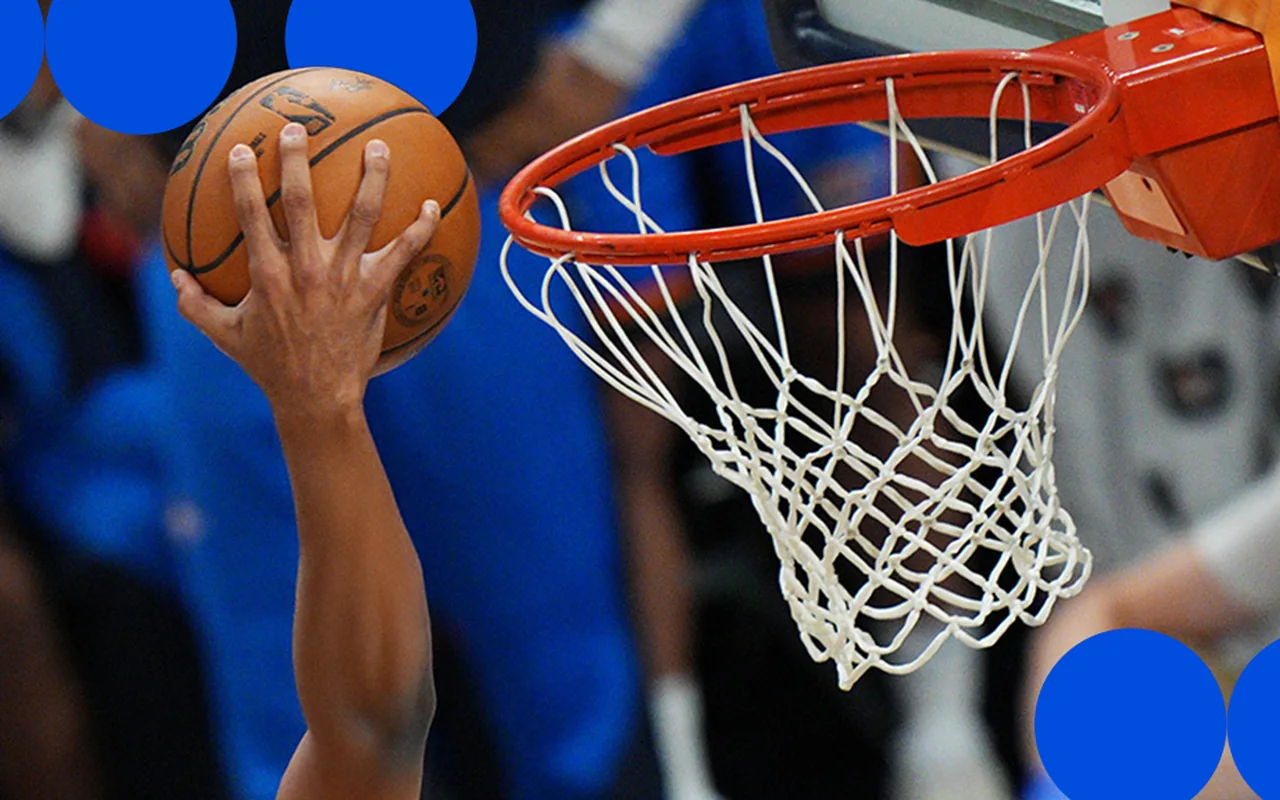
Before comparing prices, open the arena's current seat map and identify the exact row. Barclays Center, for example, distinguishes sideline courtside from limited baseline rows and shows which sections sit nearest each bench. A listing described as “front row” may mean the first row of a raised lower-bowl section behind multiple floor rows. That can be an excellent basketball view, but it is not the literal feet-on-hardwood experience implied by true courtside.
How much are NBA Finals courtside tickets?
A reasonable Finals courtside budget starts in the several-thousand-dollar range per seat and can reach tens of thousands in a major market. The crucial word is can. Finals prices are unusually dependent on the participating cities, the series score and whether a game might produce a championship celebration. There is no stable “Finals front-row average” that transfers cleanly from one matchup to another.
2025 series baseline
$1,147
Average purchase price across all seat categories for the Thunder-Pacers Finals, according to TickPick data reported by Front Office Sports.
2026 New York snapshot
$75,000
Courtside asking price reported by the Associated Press for Knicks-Spurs at Madison Square Garden—not a confirmed sale.
Verified historic sale
$133,000 / pair
Completed Ticketmaster resale for two Warriors-Cavaliers Game 5 floor seats in 2017, documented by ESPN.
The comparison shows why headline numbers need labels. The 2025 figure is an average paid price for every seat type, not courtside. The 2026 New York figure was a live asking price during extraordinary demand; AP also reported upper-deck inventory above $5,000. The 2017 number was a completed sale and included fees for a pair. ESPN noted that some courtside seats in that Finals carried face value around $3,000 each, revealing the enormous gap a resale market can create.
Game number matters because optionality disappears. Game 1 offers certainty that the event will happen, while Games 5–7 may be conditional but can become a closeout or winner-take-all spectacle. When a home team has not reached the Finals in decades, season members hold exceptionally scarce assets and visiting buyers compete with local demand. In a smaller market or less glamorous matchup, even the Finals can trade at a much lower level.
For budgeting, do not anchor on a record listing. Set three ceilings: ticket-only, all-in ticket and complete trip. If a courtside quote exceeds the first ceiling, move to a lower-bowl sideline section rather than cutting travel or lodging to unsafe levels. The quality difference between true center-court floor and a slightly elevated premium seat may be smaller than the five-figure price difference.
Face value, resale price and fees are three different numbers
Premium-ticket headlines often compare numbers that describe different things. Face value is the base price set by the event organizer. A resale price is set by a ticket holder or broker and may sit above or below face value. The all-in price includes mandatory fees known at the time it is displayed, although taxes, shipping and optional products can still be added where permitted.
Hypothetical two-seat comparison
| Line item | Example | What to verify |
|---|---|---|
| Seller's base resale ask | $2,000 × 2 | Is this shown for one ticket or the pair? |
| Required platform/venue fees | Included in displayed all-in price | Open the breakdown; do not assume a universal percentage. |
| Taxes or chosen delivery | May be additional | Check final payment screen before authorizing. |
| Parking, food and travel | Separate trip costs | Confirm whether hospitality or parking transfers with the seat. |
Since May 12, 2025, the Federal Trade Commission's rule on unfair or deceptive fees has required sellers advertising live-event tickets to display the total mandatory price upfront. Mandatory calculable charges must be included and the total must be more prominent than partial pricing. The rule permits later disclosure of government taxes, shipping and genuinely optional additions before payment. It improves comparison, but it does not limit how high a seller can price a ticket or how large a lawful fee can be.
Ticketmaster says its upfront figure generally includes face value and required fees before taxes, and that resale tickets are labeled and priced by the reseller. That is why an apparent $3,000 “ticket” can represent a member's face value in one report, a reseller's ask in another, or an all-in buyer total in a third. The terms are not interchangeable, even when they describe the same physical seat.
For an NBA purchase, start through NBA Tickets or the team's official ticket page. NBA Tickets identifies Ticketmaster as the official league partner and its resale marketplace as authorized. Other major marketplaces may also provide valid transferred tickets, but policies, guarantees and refund handling differ.
The safest comparison is simple: select the exact quantity on every platform, switch to the total-price view, take a screenshot of section/row/seat and benefit language, then compare the final amount due. Add parking and travel separately. A courtside lounge with food may justify a higher ticket total; a resale seat that does not transfer those benefits should not be valued as though it does.
How to buy courtside seats safely and time the market
Choose timing based on how much certainty you need. If this is a birthday trip, a one-night visit or a specific seat beside a particular bench, buy through the team or official on-sale when acceptable inventory appears. If you live nearby, can attend several dates and are willing to walk away, monitoring resale in the final week can expose a motivated seller. Neither method guarantees the lowest price.
- 1. Start with the official path. Use NBA Tickets or the team's ticket page to see primary inventory and the team-approved resale marketplace before comparing alternatives.
- 2. Verify location. Match section, row and seat numbers to the arena map. Confirm whether “Row 1” is on the floor or the first raised row behind floor inventory.
- 3. Set the quantity first. A low per-ticket listing may require buying four seats together or may separate a pair. Search the exact number you need.
- 4. Confirm transferable benefits. Ask whether lounge, food, drinks, parking and private-entry access follow a resale ticket. Save the written benefit description.
- 5. Compare all-in totals. Use the same seat count and total-price display across platforms; include taxes or optional delivery shown before payment.
- 6. Read the guarantee and event policy. Know how the seller handles invalid tickets, postponement, cancellation and a playoff game that is never needed.
- 7. Complete official mobile transfer. Accept the ticket into the designated account and add it to Apple Wallet or Google Wallet before leaving for the arena.
NBA Tickets says its authorized resale marketplace provides authentic tickets or money back. For applicable Ticketmaster Verified inventory, the old barcode is canceled and a new unique ticket is reissued. That protection is materially different from sending money to a stranger for a screenshot. Rotating mobile barcodes may not work as static images, and an off-platform payment usually removes the strongest dispute and replacement options.
Waiting is a risk decision, not a hack. A Tuesday game with several comparable pairs may soften as sellers prefer some return to an empty seat. A star's only visit, a weekend rivalry or a playoff closeout can move the other way, and courtside inventory is too thin to rely on a broad historical average. Set price alerts and an all-in ceiling; purchase when the seat meets both rather than chasing the theoretical bottom.
Finally, a valid ticket guarantees admission—not a particular lineup. Injury, rest, suspension or a late coaching decision can remove the player you hoped to see. If one star is the entire reason for a flexible trip, wait for the official injury report where practical, while accepting that better medical certainty may come with less seat choice.
Are courtside seats worth it? Best-value alternatives
Courtside can be worth it as a deliberate, affordable splurge. You hear defensive calls, appreciate the speed and physicality hidden by television, and watch elite players operate only a few feet away. What you do not automatically receive is the best tactical view. A flat floor seat can be obstructed by players, officials, photographers or the basket, while modest elevation makes off-ball movement easier to read.
| Your priority | Best place to start | Why |
|---|---|---|
| Maximum immersion | True sideline courtside | Closest sound, speed and player interaction; highest scarcity premium. |
| Best basketball view | Lower-bowl sideline, near center | Elevation and centered angle reveal both ends and half-court structure. |
| Close without flat-floor obstruction | First raised row behind floor seats | Preserves proximity while lifting the sightline above chairs and traffic. |
| Comfort and hosting | Club or premium lower bowl | May trade a few feet for lounges, easier concessions and padded seating. |
| Finals atmosphere on a fixed budget | Upper level near center court | Clean full-court geometry and championship energy at a lower entry point. |
Benefits can change the value calculation. Orlando's 2026-27 premium guide, for example, describes wristband-controlled lounge access and all-inclusive food and beverages for eligible Courtside and Ultimate guests. That does not mean every arena or every resale listing includes the same package. Confirm in writing whether the ticket transfers hospitality, parking and special-entry rights before assigning them any value.
The strongest case for courtside is a rare personal occasion where proximity itself is the goal and the all-in purchase fits comfortably within your entertainment budget. The weakest case is borrowing money, compromising a trip's essentials or paying a five-figure premium when your real priority is following schemes. A centered lower-bowl seat often provides the better pure basketball view, and the savings can fund several games instead of one.
If you are comparing Bay Area dates and sections, our Warriors tickets 2026-27 guide covers team-specific schedule, resale and seat considerations. Apply the same rule anywhere: decide whether you value access, view, comfort or atmosphere first; only then compare the all-in prices of seats that satisfy that priority.
Verdict
Courtside is an unmatched sensory experience, but it is a luxury rather than the universal “best seat.” For most fans, lower-bowl sideline near center court is the smartest combination of view, proximity and repeatable value.
Sign in with Google to join the discussion.