NBA expansion status: exploration is official, franchises are not
The NBA has taken its most concrete expansion step in years, but Seattle and Las Vegas do not yet have franchises. On March 25, 2026, the Board of Governors authorized the league to formally explore adding teams in those two markets. The league hired investment bank PJT Partners as a strategic adviser and began assessing prospective owners, arena plans and the economic effect on the existing 30 clubs.
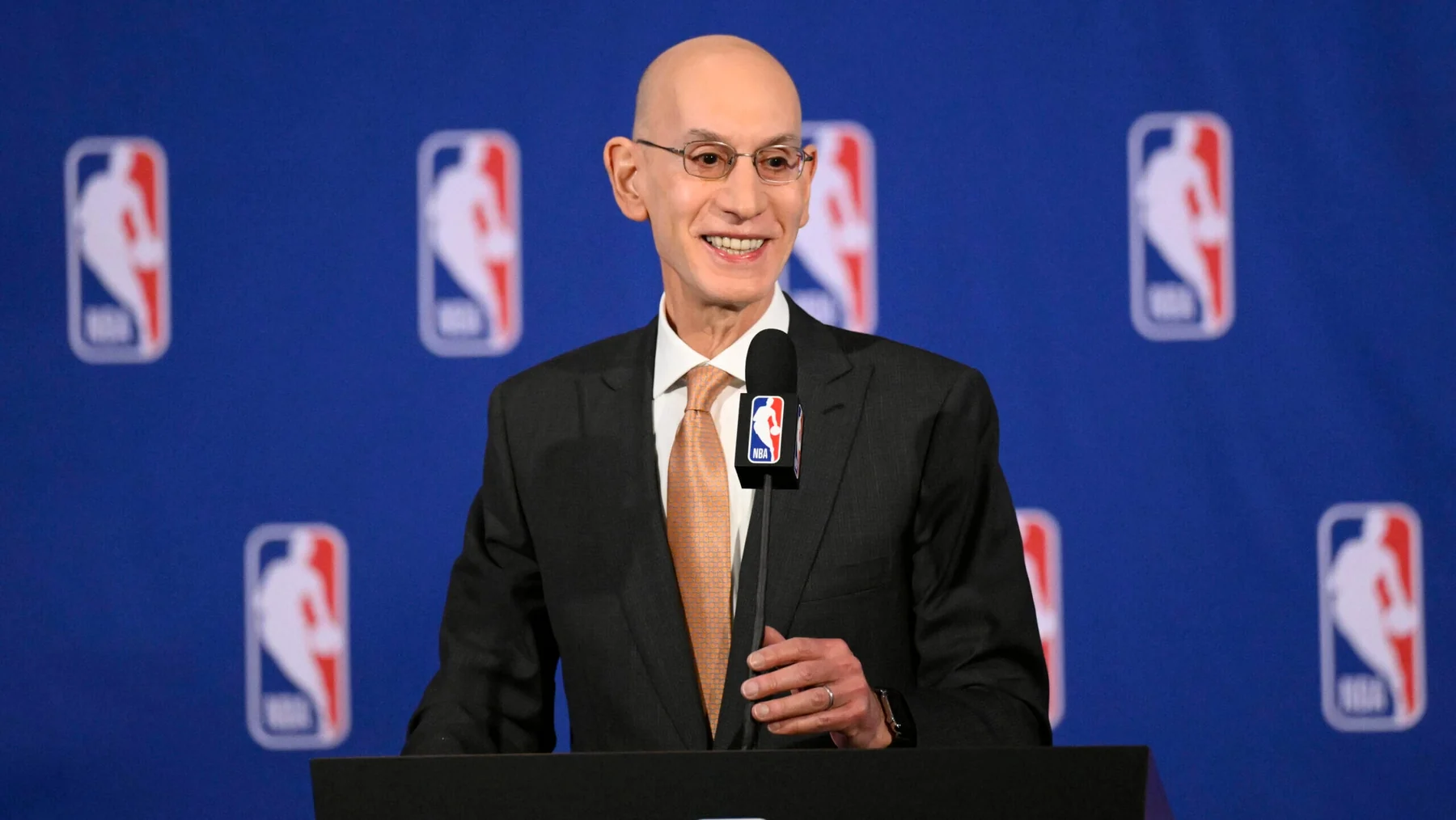
That wording matters. The vote opened a controlled evaluation process; it did not approve a 32-team league, award a franchise or set a debut season. Commissioner Adam Silver said in March that the process could end with two teams, one team or none. At Summer League in July, he again said no selection votes had been taken and described more discussions with interested groups as work still ahead.
Status as of September 9, 2026
Seattle and Las Vegas are the two markets in the NBA's formal expansion study. Prospective groups are presenting financing, controlling-owner, arena and market plans. The governors have not yet voted to add a team or chosen an owner in either city.
What the March 2026 vote authorized
The governors gave the league office permission to perform serious due diligence. PJT Partners can compare capital structures, owners' resources, arena infrastructure and broader league economics on a consistent basis. That turns years of public speculation into a defined business process. It also narrows the immediate U.S. conversation to Seattle and Las Vegas, the markets the official release names.
For fans, the practical change is that credible groups can now make detailed cases directly to the league. Public branding campaigns and celebrity endorsements may attract attention, but the NBA's stated tests center on who controls the bid, whether financing is durable, where the team would play and how expansion affects all current owners.
What has not been decided
No expansion fee has been formally announced. No inaugural season has been locked. No conference has been realigned, no expansion-draft rules have been issued, and no bidder has received a franchise. Reports that describe Seattle or Las Vegas as “approved” skip the most consequential vote.
Silver said owners want to decide the next step by the end of 2026. Treat that as the league's working target. It could produce authorization to negotiate with selected groups, a request for more information or a decision not to expand. The next official Board of Governors action—not a reported bid amount—is the point at which the status changes.
How the NBA gets from market study to a final vote
The league's adviser can organize the evidence, but the owners of the 30 existing teams make the decision. The current phase is due diligence: receive plans, test assumptions and compare what each market-group combination would add. The NBA has not released a public scorecard or a firm bidding calendar, so claims that one visible presentation has “won” should be treated cautiously.
If the league chooses to proceed, the governors would still need to approve expansion and the selected ownership. The Associated Press reported that moving forward requires a three-fourths majority, which means at least 23 of the 30 current governors. That high bar explains why the analysis includes effects on incumbent clubs, not simply fan enthusiasm in the two candidate cities.
The four tests facing every bid
- Ownership: The NBA needs an identifiable controlling governor, a credible partner group and people who can pass the league's vetting process.
- Financing: A group must fund the franchise price and operating commitments without relying on a headline valuation that cannot survive diligence.
- Arena: The proposal needs an NBA-quality building, workable dates, premium inventory, practice infrastructure and a clear development or lease path.
- League economics: Owners will compare one-time expansion proceeds with the long-term division of national media, sponsorship and basketball-related revenue among more teams.
Market size and local passion sit inside those tests. Seattle can present an established basketball audience and a renovated arena; Las Vegas can present rapid major-league growth and a deep events economy. Neither advantage substitutes for ownership certainty. The best city paired with a weak capital structure can lose to a stronger complete proposal.
A final “yes” would begin another workstream rather than end the process. The league and new owners would negotiate definitive terms, prepare business operations, hire basketball staffs, set roster-building rules and coordinate a start date. That is why an expansion decision late in 2026 would not put a new team on the court a few months later.
Seattle's case starts with an NBA-ready home and unfinished history
Seattle combines the emotional force of a return with infrastructure that exists today. The SuperSonics joined the NBA in 1967-68, won the 1979 championship and remained in the city through the 2007-08 season before the franchise moved to Oklahoma City. The nearly two-decade absence explains the intensity around a revival, but the modern bid must win on present-day ownership and economics.
Climate Pledge Arena removes the old arena obstacle
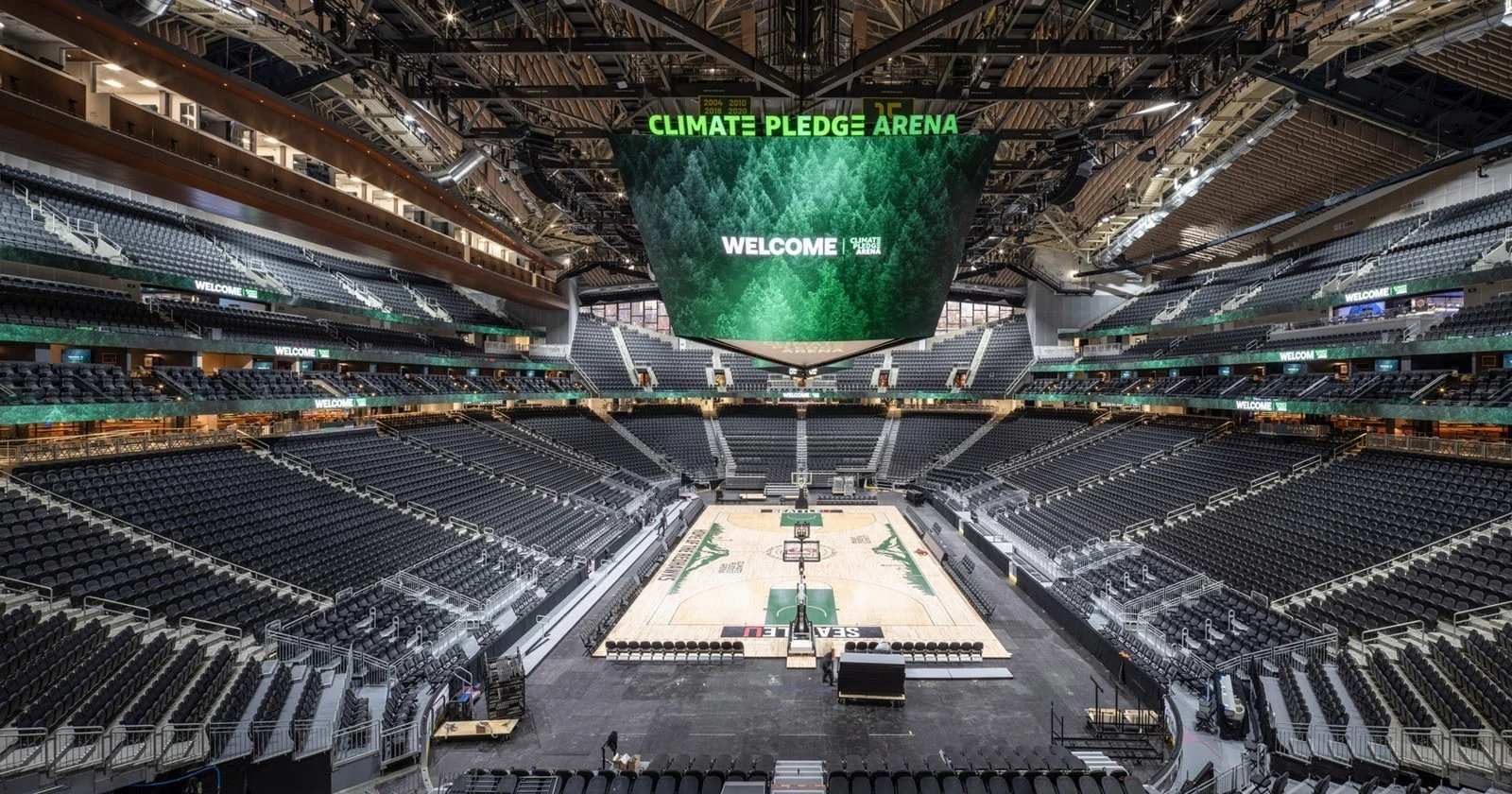
Climate Pledge Arena says it meets NBA standards, was designed with basketball in mind and holds 18,300 for basketball. It already converts between major-league hockey, WNBA basketball and concerts. The $1.15 billion redevelopment was privately financed under a long lease with the City of Seattle, giving a prospective team a credible path to play in the city center without waiting for an arena to rise from an empty site.
That does not make every arena question disappear. The league still must evaluate control, lease terms, available dates, team revenue and practice facilities. One Roof Sports and Entertainment—the parent organization around the Kraken and arena—has publicly said it intends to pursue an NBA franchise if the league expands. Its arena connection creates operational coherence, while other interested groups can still propose different combinations.
A Sonics return carries more than nostalgia
The Sonics name connects generations: the 1979 champions, the Gary Payton–Shawn Kemp era, and Kevin Durant's rookie season all belong to Seattle basketball history. Restoring that identity could create immediate merchandise, sponsorship and season-ticket demand rather than asking a new brand to introduce itself from zero.
The league will still ask whether that demand remains durable after the return celebration. Seattle's broader case includes a large corporate base, proven support for the Storm and other major teams, and an arena integrated into an established entertainment district. Those are business inputs. The old colors and name are powerful fan assets, but trademark, history and branding details would be handled only after an ownership award.
Las Vegas offers momentum, competition and more arena choices
Las Vegas has never had a permanent NBA franchise, yet it already functions as a league hub. All 30 teams participated in the 2026 NBA Summer League, the event's 21st year in the city. The NBA also uses Las Vegas for meetings, showcases and other basketball business. Silver has playfully called Summer League an informal 31st team, a sign of familiarity rather than a franchise promise.
The NBA already treats Las Vegas as a major operating base
The city's case has changed with its sports landscape. The WNBA's Aces, NHL's Golden Knights and NFL's Raiders have shown that major teams can build local followings while drawing visitors. Summer League gives the NBA direct operating data on ticket demand, sponsorships, hospitality and how its people work in the market. Silver also pointed to Las Vegas' expanding youth-basketball ecosystem in his July update.
A permanent team would face a different test from an annual event. It must sell 41 regular-season home dates, build local television and sponsorship relationships, and remain relevant alongside a dense entertainment calendar. Tourism can lift premium demand, but governors will want evidence of repeat local support rather than an assumption that visitors fill every game.
Ownership groups must prove control and financing
Several groups have publicly entered or been linked to the Las Vegas pursuit. A group associated with Jerry Colangelo announced a “Las Vegas Jacks” concept and large financing targets; Golden Knights owner Bill Foley has also discussed assembling a group. Silver said additional parties were working privately. These announcements show competition, but the NBA—not a press release—will decide whether the money is committed, the controlling owner is acceptable and the partners can fund years of operations.
Celebrity participants can help a bid's profile and community reach. They do not replace the league's need for one accountable governor with sufficient resources. Fans should read every reported group name as a candidate until the NBA announces a selection.
Arena certainty could separate competing bids
T-Mobile Arena lists a 19,000-seat basketball configuration and has already hosted elite basketball. Some bid concepts would use or renovate that building; others envision a new arena and surrounding development. Each path has tradeoffs. An existing venue reduces construction risk and can support an earlier launch, while a new project may give an owner more control over dates, suites and adjacent revenue.
The key is a binding, financeable plan. Renderings and land announcements do not guarantee an opening date. The league will compare construction exposure, ownership control and fallback options, especially if 2028-29 remains the preferred launch window. Las Vegas' abundance of ideas is an advantage only when one complete package survives diligence.
Expansion price and debut season remain estimates
The numbers driving most headlines are not official terms. Reports have placed a possible expansion fee anywhere from at least $6 billion to a $7–10 billion range per franchise. The NBA's own March explainer called the $7–10 billion discussion conjecture. Bloomberg later reported that the league could seek as much as $10 billion, citing people familiar with the matter. Until the governors approve a price and a winning group accepts it, every figure is an estimate.
| Item | Status at cutoff | How to read it |
|---|---|---|
| Expansion decision | Targeted by end of 2026 | Commissioner's goal, not a guarantee |
| Franchise fee | Reported in the billions | No NBA-set public number yet |
| First season | 2028-29 widely discussed | Possible planning window, not fixed |
| Number of teams | Zero, one or two remain possible | Only a later vote changes this |
An ownership group's total project capital can also exceed the franchise fee. A new arena, real estate, practice center, staffing and startup losses belong in the complete budget, so a group announcing $12 billion of capacity has not necessarily offered a $12 billion entry payment. Comparisons must use the same definition.
The 2028-29 season is plausible because a late-2026 decision would leave roughly two years for hiring, sales, scheduling and roster construction. It remains speculative for the same reason: ownership negotiations or an arena project can move the calendar. Fans should expect the NBA to announce the franchise award and inaugural season separately.
What two new teams would change on the basketball side
A move from 30 to 32 clubs would add more than two schedules. It would create roughly 30 additional standard roster spots before two-way contracts, spread draft and free-agent talent among more employers, and force decisions about conferences, divisions, playoff qualification and the expansion draft. Silver acknowledged the talent question in March but said the growth of international basketball gives the league enough players for 32 competitive teams.
Conferences and divisions would need a new map
The current NBA has two 15-team conferences, each with three five-team divisions. Seattle and Las Vegas are both geographically western, so placing both in the West would create an 18–14 imbalance unless another franchise moved East. Minnesota is frequently suggested because many of its shortest geographic rivals sit in the East, but the NBA has not selected any team for reassignment.
A clean 16–16 split could support four-team divisions, preserve the current six-division count or prompt the league to reduce the role of divisions. Schedule math would also change. The NBA must decide how often every team meets, protect rivalry and travel goals, and maintain 82 games if that remains the target. None of those format choices was part of the March exploration announcement.
A future expansion draft will have its own rules
The most recent NBA example is Charlotte in 2004. The Bobcats selected 19 players, mixed players under contract with restricted free agents and used selections in trades. That history shows how an expansion draft can function as both roster construction and an asset market. It does not tell current teams exactly whom they could protect in a future process.
The governors would need a new expansion agreement covering protected-player lists, how many players each incumbent team can lose, salary treatment, free agents, draft positioning and timing. With two entrants, the NBA would also need rules for how Seattle and Las Vegas alternate or prioritize selections. Fans can start debating likely exposed veterans, but any list built before official rules is fantasy rather than a projection.
New clubs normally need time to build. The league's challenge is to give them enough access to credible players without stripping existing rosters or creating immediate cap advantages. Expansion also creates 30 more NBA jobs and larger coaching, scouting and development staffs, one reason Silver believes the deeper global talent pool matters.
The next signals that will turn possibility into a franchise
Expansion coverage moves faster than the league process, so use a milestone test. A public bidder reveal proves interest. A financing announcement shows a plan. An arena rendering shows an idea. None awards an NBA team. The status changes only when the league or Board of Governors announces an authorization, ownership approval or definitive agreement.
Watch the Board of Governors, not rumor milestones
Follow the NBA Communications ownership releases and Silver's post-meeting availability. The next meaningful update should answer at least one of these questions:
- Did the governors decide to expand by zero, one or two teams?
- Was a preferred ownership group named for Seattle or Las Vegas?
- Did the league set a franchise fee and approve an arena plan?
- Was an inaugural season formally announced?
- Were conference, schedule, draft and roster rules released?
The September 2026 Board meeting is a date to monitor, but an existing meeting does not guarantee an expansion vote. The NBA's announcement that Micky Arison would become board chairman after that meeting confirms the gathering, not its expansion agenda. If no public action follows, the accurate status remains formal exploration.
For Seattle fans, the real celebration can begin when an ownership group and team are approved; the Sonics brand details may follow. For Las Vegas fans, a selected owner and binding arena route matter more than the number of groups campaigning. Until then, both cities are closer than they have been in years, and both are still candidates.
Last checked September 9, 2026: the NBA is formally studying Seattle and Las Vegas, no franchise has been awarded, and the league is still aiming to decide its next expansion step by the end of 2026.
Sign in with Google to join the discussion.