Read the report as a timestamped document for a specific game
An NBA injury report describes participation for a named game at a particular point in time. It is not a permanent description of a player's health, a promise about his minutes or a complete recovery forecast. Read the matchup and publication time before the status label. That habit prevents an old “out” designation from being applied to a new game, or an early positive update from being mistaken for the final decision.
The report also covers more than injuries. Its reason field can identify illness, rest, assignment or another participation issue. Two players can both be out while the explanations are entirely different. Preserve the stated reason instead of turning every absence into a medical conclusion. This guide explains how to read the information; it does not provide a live list of today's unavailable players.
Match the player, opponent and publication time
The NBA's March 17, 2026, 10:30 p.m. report provides a useful historical example. Its columns identify the game date, time, matchup, team, player, current status and reason. The same document contains games from March 17 and March 18. Its publication date therefore does not tell you which game a particular row describes. Follow the matchup grouping rather than stopping at the first familiar player name.
Record five pieces of information together: player, opponent, game date, exact status and report timestamp. Keep the reason nearby if it changes your understanding of the situation. A cropped image containing only a name and a status loses the context needed to establish whether it is relevant. An intact timestamp can be more valuable than a large red “OUT” badge shared without a date.
Check the time zone as well. Game times and reporting windows may use different labels, and a late United States game can fall on the next calendar day for an international viewer. Convert the scheduled tip time once, then keep both the original zone and your local viewing date in the note. Our NBA games today page helps you establish the slate before interpreting individual availability.
Finally, distinguish an incomplete filing from a clean bill of health. A team marked “not yet submitted” has not supplied the information shown by that snapshot; it has not announced that every player is available. Find a newer report or keep the issue unresolved. A responsible reading allows uncertainty to remain visible instead of manufacturing an answer from an empty space.
Status labels describe participation, not the recovery timeline
Read a participation designation as an assessment of the named game, not a medical grade. The useful distinction is whether playing is expected, uncertain, unlikely or ruled out at that time. None of those labels explains the full condition, tells you what a scan showed or promises when a player will return to his usual workload.
Probable, questionable and doubtful express different expectations
| Label | Practical reading | What to do next |
|---|---|---|
| Probable | Playing is expected. | Check for a later change. |
| Questionable | Participation remains uncertain. | Keep both playing and sitting scenarios open. |
| Doubtful | Playing is unlikely. | Prepare for absence while awaiting confirmation. |
| Out | Will not participate as designated. | Check the named game and reason. |
| Available | Can participate. | Separately assess role and workload. |
You may encounter percentage shorthand in older team status keys or third-party explainers. That shorthand is not a personalized medical probability, and it should not be used to assign a precise chance to an individual player's recovery. The safer fan workflow is to preserve the actual label and wait for the next meaningful update. A questionable player can eventually play or sit; neither outcome makes the earlier uncertainty dishonest.
“Game-time decision” is commonly used in reporting and media products to describe a decision left close to tipoff. It should lead you to ask which official designation and source sit behind the phrase. Likewise, “day-to-day” is a broad description of an outlook, not a guarantee that the player will be ready the next day. Check the actual matchup rather than converting conversational language into clearance.
Out and available still leave basketball questions open
An out designation does not by itself establish an extended absence. Read the reason and any directly attributed update about the next evaluation. A statement that a player will be reassessed next week gives an assessment point; it does not guarantee a return in the first game after it. Keep those two dates separate in your expectations.
Available also does not mean symptom-free or unrestricted. The official historical report includes available players alongside injury-related reasons. Participation and the reason field can coexist without contradiction. Before expecting a normal statistical line, look for information about starting status, a stated minutes plan and the teammates available around him.
Finally, do not assume a fantasy app's abbreviation has precisely the same purpose as an NBA report label. The app may use its own eligibility or injured-reserve rules. Consult that platform's rules for a roster transaction while using the league report for the game-participation question. Keeping those systems separate prevents a display code from becoming an unsupported claim about the team.
Know when teams file reports and why updates continue
A team's submission deadline and a report's publication timestamp answer different questions. The first establishes when information must be supplied under the applicable rules. The second tells you how recent the document in front of you is. Neither means a player's condition can no longer change. The NBA's published framework calls for continuing updates throughout the day.
The table below summarizes the official 2025-26 reporting framework. At this guide's October 19, 2026 cutoff, the accessible league explainer still carried that season label. These are a clearly dated reference, not a claim that a separate 2026-27 deadline policy has been confirmed. For the current season, follow the active injury-report page and any newer league instructions.
| Published 2025-26 situation | Team filing window |
|---|---|
| Usual initial report | By 5 p.m. local time the day before the game. |
| Second game of a back-to-back | By 1 p.m. local time on game day. |
| Additional game-day report, excluding second back-to-back game | Between 11 a.m. and 1 p.m. local time. |
| Game-day report for a tip at 5 p.m. or earlier, with the same exception | Between 8 a.m. and 10 a.m. local time. |
Do not replace “local time” with Eastern Time because it is easier to remember. Keep the league's wording attached to the rule, then read the actual document's time label. Similarly, avoid treating a few commonly quoted afternoon release times as the only moments news can change. A new report between familiar checkpoints can still contain the information that matters to your game.
Accuracy also matters when a status changes. On April 9, 2026, the NBA fined Orlando $25,000 over its disclosure of Anthony Black's availability before the April 6 Detroit game; he had initially been listed out and later played. That is a specific league finding, not permission to label every later change a violation. Fans should preserve the sequence and let the league establish whether the rules were breached.
For practical planning, set checks around decisions rather than refresh indefinitely: once when establishing the slate, again after meaningful team news and once close to your game's tip. An early afternoon tip needs an earlier routine than a late West Coast game. If the player remains uncertain when you must act, state that uncertainty. Waiting for a report and inventing a conclusion from its absence are very different responses to the same information gap.
Resolve conflicting updates by tracing the original claim
When two updates appear inconsistent, compare what each one claims, when it was published and where the information originated. A morning note about practice and an evening decision about the game can both be accurate. A report that described uncertainty before testing should not be read as a failed diagnosis after the test produces a clearer answer.
Official status and reported context do different jobs
Use the official game report for the team's filed participation designation. Use a directly attributed team or coaching statement for context that the label does not contain, such as the next assessment point or a stated workload plan. A reliable reporter can explain that context, but distinguish the original information from a writer's interpretation of its basketball consequences.
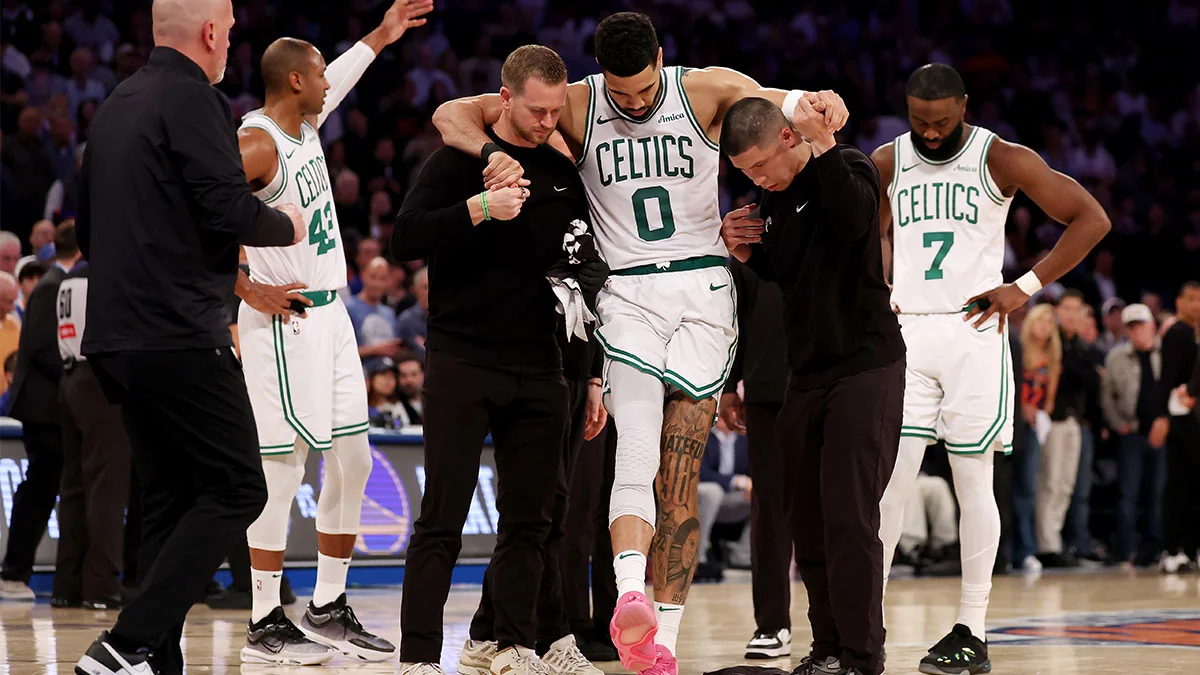
Boston initially said Tatum would have an MRI. The next day's team announcement confirmed Achilles surgery without a return timetable. That May 2025 sequence illustrates a useful distinction between an immediate account and a later confirmed development. The lesson is to respect what was knowable at each stage, rather than rewrite the earlier uncertainty as if everyone had access to the later information.
For a disputed current update, follow the attribution back to the full statement if possible. A clipped phrase can lose the opponent, date or condition attached to it. If several sites all reference the same interview, count that as one underlying report rather than several independent confirmations. When the original statement still leaves an issue unresolved, your own summary should preserve that limit.
Warmups and late scratches can change the answer
Warmup footage can show that a player is performing a visible activity. It cannot, by itself, establish clearance, the medical reasoning behind a decision or how he will respond to game intensity. A player shooting before tipoff is not the same as a team announcing that he will play. Wait for an explicit participation update when that distinction affects your plan.
A confirmed starter can also become unavailable late. Keep a final check tied to the actual game's time, especially if you are waiting on one important name. If a late change occurs, record the newer designation and source rather than preserving the earlier screenshot as the final answer. There is no benefit in being consistent with an outdated note once the underlying information has changed.
For fans, this helps separate understandable uncertainty from unsupported speculation. For anyone managing a lineup or planning an arena visit, it makes the remaining risk concrete: the decision may still change after your own deadline. Recognizing that timing constraint is more useful than treating a promising practice clip as a guarantee.
Translate availability into rotation context carefully
Once participation is established, move to the basketball question rather than pretending the report already answered it. Availability tells you whether a player can be involved. The rotation tells you when and beside whom he is used. The opponent shapes which combinations make sense. Those layers influence a game's tactical story in ways a single status label cannot capture.
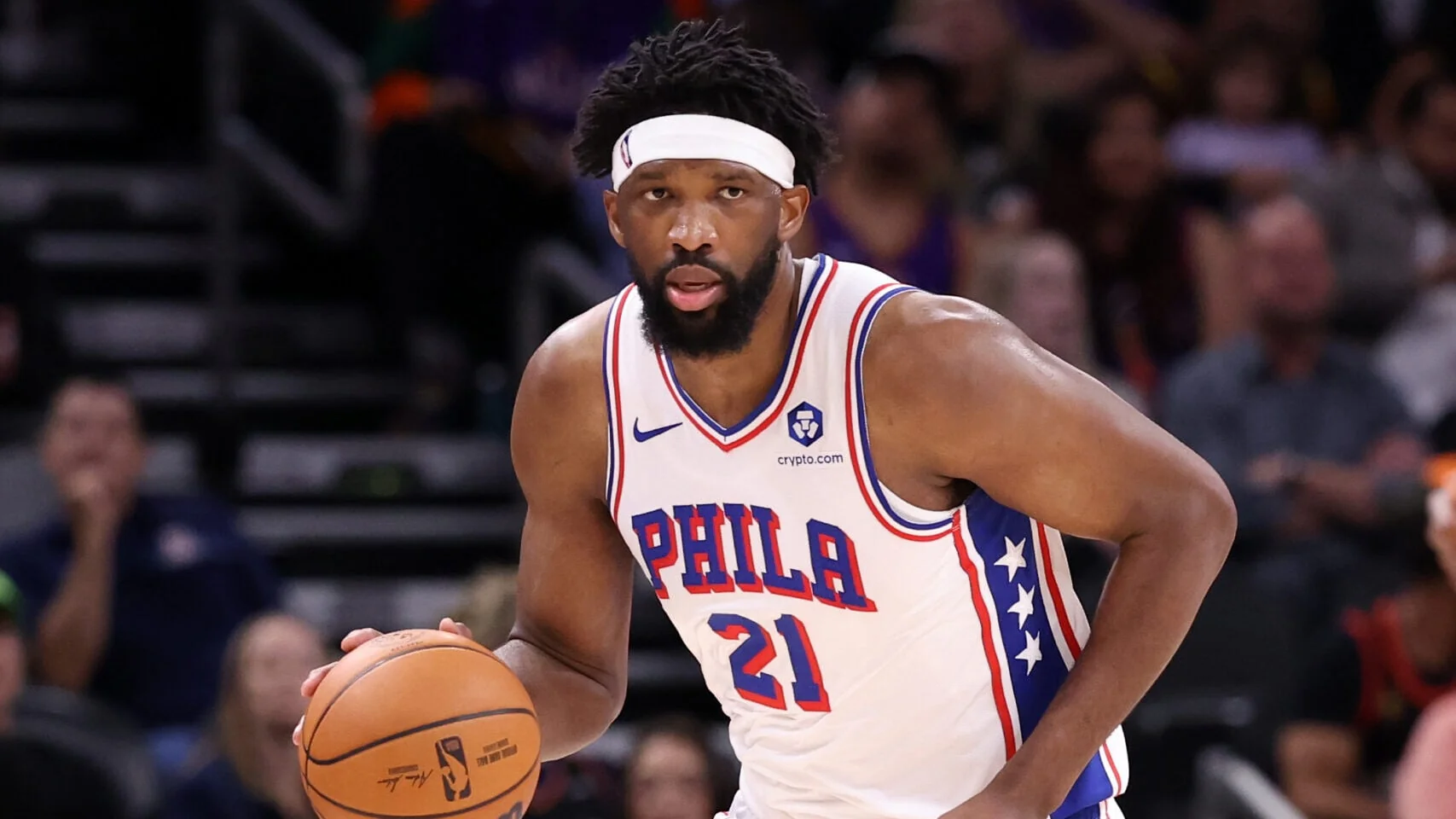
A historical example makes the distinction clear: the February 24, 2026 official report listed Joel Embiid available while retaining knee-management and shin-soreness information in the reason field. That row did not assign his minutes, specify the closing group or predict his efficiency. It established a participation status with context. Everything beyond that required additional reporting or observation.
An available player is not automatically unrestricted
If a workload limit matters, look for a directly attributed statement about it. A coach may describe a restriction, a planned substitution pattern or a decision to monitor how the player responds. Without such information, avoid inventing a precise cap. “Available, minutes plan unconfirmed” communicates what you know more accurately than an unsupported projection presented as team policy.
Also distinguish an official limit from an analyst's estimate. A projection can be useful for comparing possible roles, but its number belongs to a model or writer unless the team has announced it. The same applies to an expected starting spot. Starting can secure an opening shift while still leaving a shorter overall workload or a different closing arrangement.
When a center is unavailable, consider the responsibilities that need replacing: rim protection, defensive rebounding, screening, interior scoring or passing. One substitute may not provide all of them. The staff could divide the role among two bigs, use a smaller unit for spacing or change its defensive coverage. A depth chart helps you find the personnel; it does not force the tactical solution.
For a missing primary ball handler, separate minutes from possession responsibility. The reserve who starts may bring the ball up, while a wing becomes the main creator and another guard takes late-clock shots. Do not distribute the absent player's box score mechanically to the next name on the positional list. Watch the first substitutions and the competitive closing minutes to see how responsibility actually moves.
Finally, keep the next game separate. Availability on the first night of a back-to-back is not a promise about the second. Our tomorrow planning guide helps establish the next fixture, but its injury context should be refreshed for that specific matchup. A sensible basketball forecast carries its uncertainty forward until new information resolves it.
Use a repeatable check before each game
Start by naming the decision. If you are choosing an evening broadcast, one star's availability may determine which game interests you. If you are traveling to an arena, transport and admission deadlines may come before the team makes its final call. If you manage a fantasy roster, your platform's lock rules introduce another clock. Define that constraint before deciding how much unresolved status you can tolerate.
- Establish the game. Match team, opponent, date, venue and tip time. Keep your local viewing date beside the original time zone.
- Open the latest relevant report. Check the season label and publication timestamp. Do not treat an archive search result as today's document.
- Read status and reason together. Keep the exact designation, and distinguish injury, illness, rest or another stated explanation.
- Look for a meaningful newer update. Follow direct team or reporter attribution; compare the actual claims rather than counting repeated headlines.
- Assess workload separately. Use an attributed minutes plan when available. Otherwise keep the role question open.
- Refresh near your own deadline. A late game needs its own check; an early result does not settle the next night's participation.
Keep the resulting note short. “Questionable for this opponent, report time recorded, no confirmed minutes plan” is useful because each part can be updated independently. “Probably fine” hides what was actually known and makes later checking harder. If no newer source resolves the uncertainty, preserve that state rather than upgrading it in your own wording.
After the game, distinguish participation from performance. A player who was available but did not enter may have a coaching-related explanation; do not manufacture a medical setback. If a player leaves during the game, wait for a direct update before describing the condition. The box score can confirm recorded minutes, but it is not a clinical explanation for why those minutes ended.
For the next fixture, begin again with that game's information. Keep an archive only to understand the sequence, not to substitute for the new report. Our tonight's schedule and viewing guide supplies the planning context, while the team's latest filed status supplies the participation answer. Together they support a practical plan without pretending every uncertainty has disappeared before tipoff.
Sign in with Google to join the discussion.