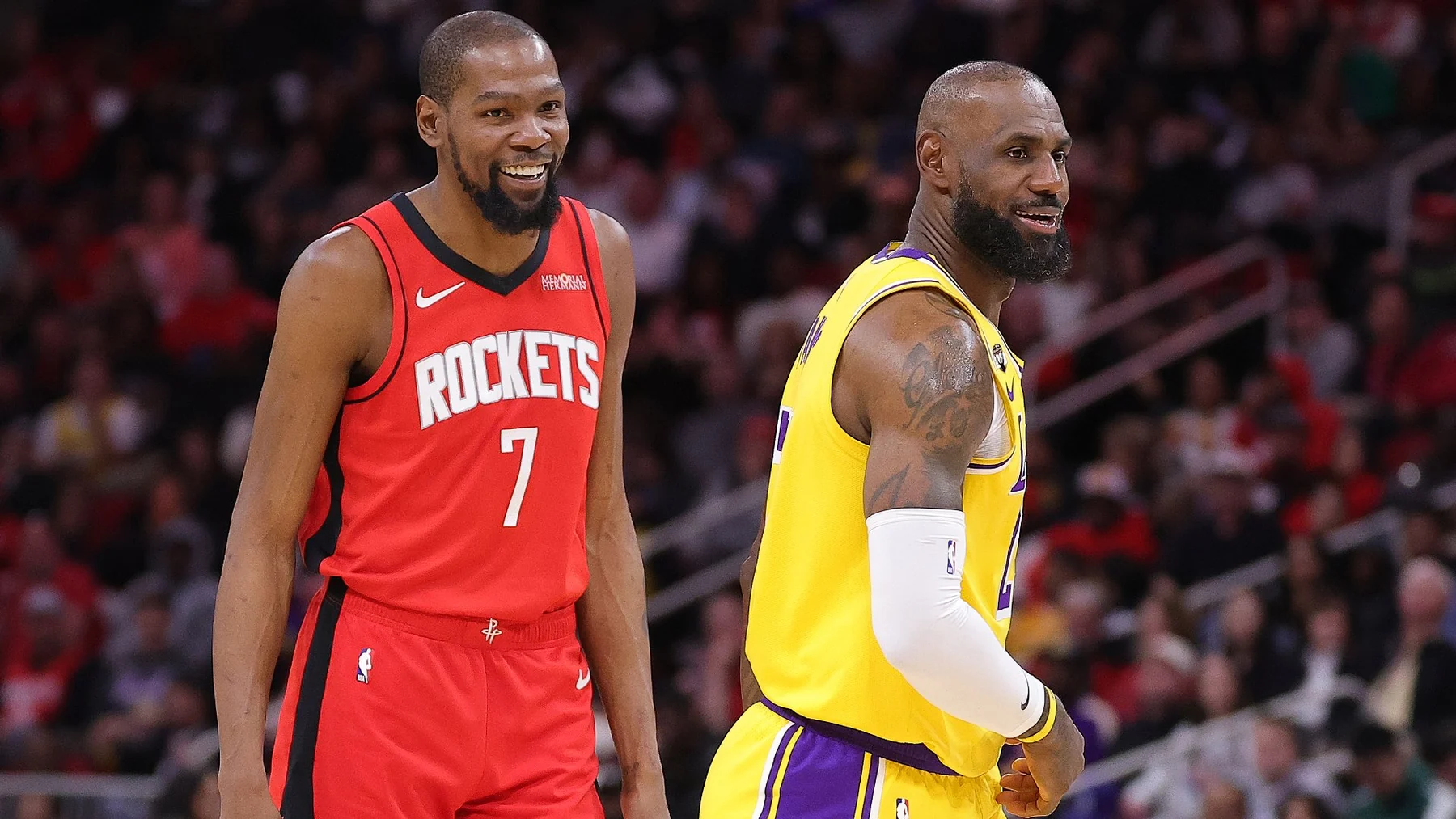
The 2027 NBA playoffs officially begin April 18
The NBA's current 2026-27 key-dates calendar gives a direct answer: the 2027 NBA playoffs begin Sunday, April 18. The regular season ends one week earlier, on April 11, with all 30 teams playing. Playoff rosters are set April 12, and the SoFi NBA Play-In Tournament occupies April 13-16 before the 16-team first round opens.
Regular season ends
April 11
Playoff rosters
April 12
Play-In
April 13-16
Playoffs begin
April 18
Calling April 13 the “playoffs” is understandable conversationally, but it obscures an important competitive line. Seeds one through six in each conference are already in the bracket. Teams finishing seventh through tenth enter a separate qualification tournament for the seventh and eighth seeds. Their statistics and elimination path belong to the postseason conversation, yet the NBA's official first-round start remains April 18.
What is not official at this cutoff is equally important. No team has clinched a seed in August. Individual Game 1 matchups, tip times, television assignments and the full best-of-seven calendar depend on standings, arena availability and the Play-In results. A blank bracket is a planning tool, not a prediction.
Use the 2026-27 NBA schedule to follow the 82-game path toward April, then switch to the live schedule as postseason inventory appears. The dates above are safe anchors; anything more specific needs a later official update.
The one-week gap also creates different preparation conditions. A top-six seed receives rest and advance-scouting time, although the No. 1 and No. 2 seeds may not know their opponent until the Play-In ends. A qualifier gains elimination-game sharpness but can face a rapid turnaround. Neither factor decides a series by itself; it defines the starting environment.
The Play-In Tournament decides the final four bracket places
Eight teams enter the Play-In—seventh through tenth in each conference—but their paths are not equal. No. 7 hosts No. 8, and the winner becomes the seventh seed. The loser is not eliminated. No. 9 hosts No. 10 in a separate elimination game; the loser goes home, while the winner advances to face the 7-8 loser for the eighth seed.
Seeds 7 and 8
Win either of two possible games to qualify. No. 7 hosts the first chance; the 7-8 loser hosts the final eighth-seed game.
Seeds 9 and 10
Must win two consecutive games. No. 9 hosts No. 10, then the survivor travels to the 7-8 loser.

This architecture makes sixth place one of the league's most valuable late-season lines. Sixth receives several days of first-round preparation. Seventh can be one poor shooting night away from another elimination game. Ninth may be playing excellent basketball in April but still has no margin for an injury, foul trouble or an opponent's hot three-point night.
For 2027, only the April 13-16 window is known. The participating teams, host cities, daily pairings and tip times depend on the April 11 standings. Do not fill names into a bracket based on August power rankings. Track the standings, but label every team placement provisional until the regular season is complete.
The format also changes coaching decisions in the final week. A team hovering seventh may push a star harder to reach sixth because the reward is four best-of-seven losses rather than one bad night ending the season. A secure tenth seed has less incentive to protect home court than a ninth-place rival, but it still needs healthy creators for two road eliminations. Those incentives explain rotations better than a generic claim that every contender is “resting for the playoffs.”
The first-round bracket depends on seeds and Play-In winners
Once the Play-In finishes, each conference has eight playoff teams. The first-round pairings are fixed by seed: No. 1 faces No. 8, No. 2 faces No. 7, No. 3 faces No. 6 and No. 4 faces No. 5. There is no cross-conference pairing and no reseeding after an upset; winners advance through their side of the bracket.
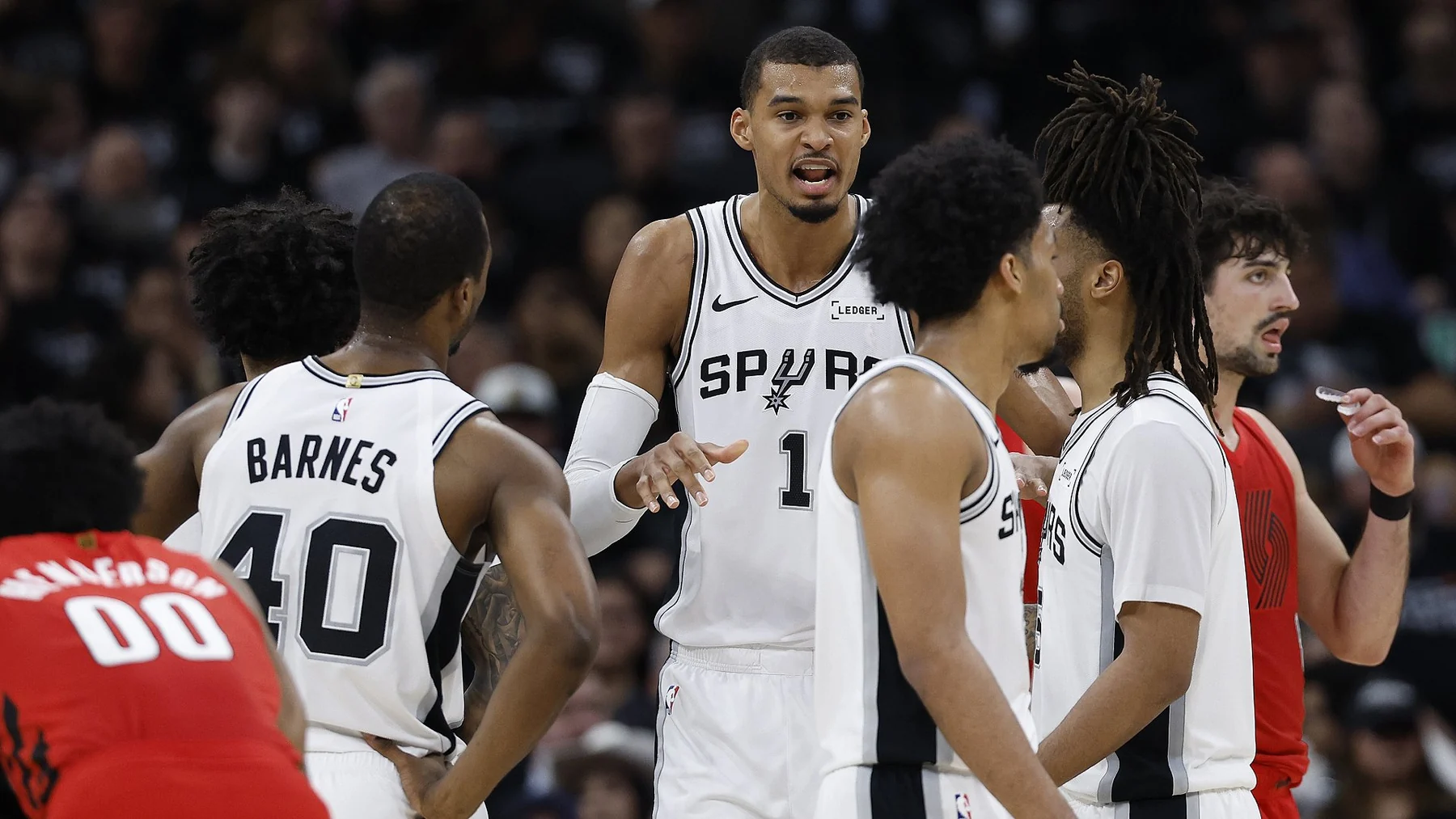
All four rounds are best-of-seven. The higher seed opens at home under the 2-2-1-1-1 model: Games 1, 2, 5 and 7 are assigned to its court, with Games 5-7 played only if needed. “Assigned” is the careful word because venue conflicts can influence the precise day between games, even though home-court order remains intact.
A seven-game format rewards adaptation in a way the Play-In cannot. A defense can change pick-and-roll coverage after Game 1, a coach can shorten the rotation, and stars see the same help rules repeatedly. That makes seeding valuable beyond the building: the better regular-season team gets the decisive games at home and more control over travel rhythm.
The official detailed hub typically appears as the regular season ends, while the No. 1 and No. 2 opponents can remain labeled TBD until the Play-In. Until then, a printable bracket should show seeds, not speculative team logos.
Bracket position should not be mistaken for a complete power ranking. A fifth seed returning a healthy starter may be stronger than its record suggests, while a top seed can draw an eighth-place opponent that survived two high-pressure games. The bracket describes route and home court; matchup analysis still requires current personnel, style and availability. That is another reason an August “projected bracket” cannot function as a schedule.
Later-round and Finals dates remain TBD, not “projected official”
As of August 16, the NBA has provided the start of the 2027 postseason sequence, but not a complete public game-by-game calendar through the Finals that should be presented as settled. The responsible split is simple: April 11, April 13-16 and April 18 are confirmed anchors; the exact conference-semifinal, conference-final and Finals game dates belong in the TBD column until the league publishes them.
The 2026 postseason shows why copying last year's calendar fails. Its official hub was updated throughout the bracket, and its archived key dates allowed some rounds to move earlier if preceding series ended quickly. The 2026 Finals began June 3, but that fact does not turn June 3, 2027 into an official date. Weekday patterns can shift, media windows can change and arena conflicts must be resolved.
Series length creates another planning trap. A sweep produces four games; a close matchup can require seven. “Game 6 on Tuesday” is meaningless if the series ends in five. Travel buyers should therefore distinguish guaranteed Games 1-4 from if-necessary inventory, and even guaranteed games need official days and times.
Historical rhythm is still useful when labeled correctly: the playoffs usually run from mid-April into June, and later rounds generally follow as earlier series close. That is a planning horizon, not a booking instruction. The moment the NBA publishes a 2027 postseason hub, replace estimates with its live entries.
This standard also protects readers from search snippets that outlive their articles. A July page may say official dates are unavailable, while an August league update confirms the opener. Check the source's update stamp and the exact season named in the date block; a current page can contain an archive of prior-season events below it.
Home court and series length shape the travel calendar
The 2-2-1-1-1 format turns every playoff series into a conditional travel plan. The higher seed hosts Games 1 and 2, the lower seed hosts Games 3 and 4, and the teams alternate cities for Games 5, 6 and 7 if those games are necessary. A sweep requires one city change. A seven-game series can require four. That difference matters to players managing recovery and to fans trying to book a trip.
Higher seed's building
Games 1, 2, 5 and 7. The last two dates are conditional, but the deciding game belongs here if the series reaches it.
Lower seed's building
Games 3, 4 and 6. Game 6 disappears if either team earns its fourth win in the first five games.
Home court has basketball value, but it should not be framed as a guarantee. Familiar shooting backgrounds, normal routines, crowd energy and the absence of a flight can all help. Yet the higher seed is also usually the team that played better for 82 games, so historical home records cannot isolate the building from team quality. The NBA noted that home teams were 117-42 all-time in Game 7 entering the 2026 Western Conference finals; road teams, however, had gone 2-2 in 2026 Game 7s to that point. The long view shows an edge, while the small recent sample shows why one game remains volatile.
For ticket buyers, “if necessary” is the key phrase. Verify whether a Game 5, 6 or 7 purchase is automatically refunded if the game is not played, and avoid a hotel rate that cannot be changed. Wait for an official tip time before locking flights because national television windows and arena availability can move a game within the published series rhythm.
Players feel the same uncertainty differently. Coaches ration practice intensity, medical staffs build treatment around flights, and video staffs prepare counters while knowing the next venue may never be needed. A team that wins early earns both advancement and recovery time. A team that extends a series on the road earns another flight and another tactical reset.
Once dates populate, add them through the NBA calendar tools, but keep conditional games marked as conditional. A useful calendar reflects the bracket's changing state instead of pretending seven games are guaranteed.
Build a playoff plan that updates as the bracket locks
The most accurate 2027 playoff calendar will be built in stages. Start with the league's four confirmed anchors: the regular season ends April 11, playoff rosters are set April 12, the Play-In runs April 13-16, and the first round begins April 18. Those dates answer the broad planning question today without manufacturing a matchup.
- 1. Follow the standings through April 11. Mark a seed only when it is clinched. Tiebreaker scenarios can keep neighboring teams provisional even after one has secured a postseason place.
- 2. Add the direct qualifiers after the finale. Seeds one through six will have bracket positions, while first-round opponents for the top two seeds remain open until the Play-In.
- 3. Fill the seventh and eighth seeds after April 13-16. The 7-8 winner enters as No. 7; the final elimination-game winner enters as No. 8.
- 4. Replace date holds with official game listings. Confirm venue, Eastern Time tip, local time and broadcaster from the NBA schedule before booking travel or setting a reminder.
- 5. Remove conditional games as each series ends. Then add the next round only when its matchup and date have been formally announced.
This staged method mirrors how the league's own postseason coverage develops. In 2026, the official standings-and-clinching tracker said the first-round schedule would be announced at the conclusion of the regular season. The detailed playoff page was then updated each time additional scheduling became official. That is useful evidence about the publication process, but it is not a promise that every 2027 announcement will arrive at the same hour or with the same amount of lead time.
Use two labels in any saved calendar: confirmed for an NBA-published date and hold for a personal planning window. Do not let a search snippet, resale listing or automatic calendar feed silently upgrade a hold to an official game. Recheck a listing after a series clincher because later-round inventory can appear quickly.
Broadcast assignments also deserve a second look. A national network and tip time are part of the game-level announcement, not something that can be inferred safely from the weekday. If you watch outside the United States, verify the local rights holder and convert the date across midnight before sharing it.
The final answer is therefore both simple and disciplined: the 2027 NBA playoffs start April 18. The Play-In comes first on April 13-16. Everything from team names to later-round tip times should be filled from official updates as competitive results make the bracket real.
Sign in with Google to join the discussion.