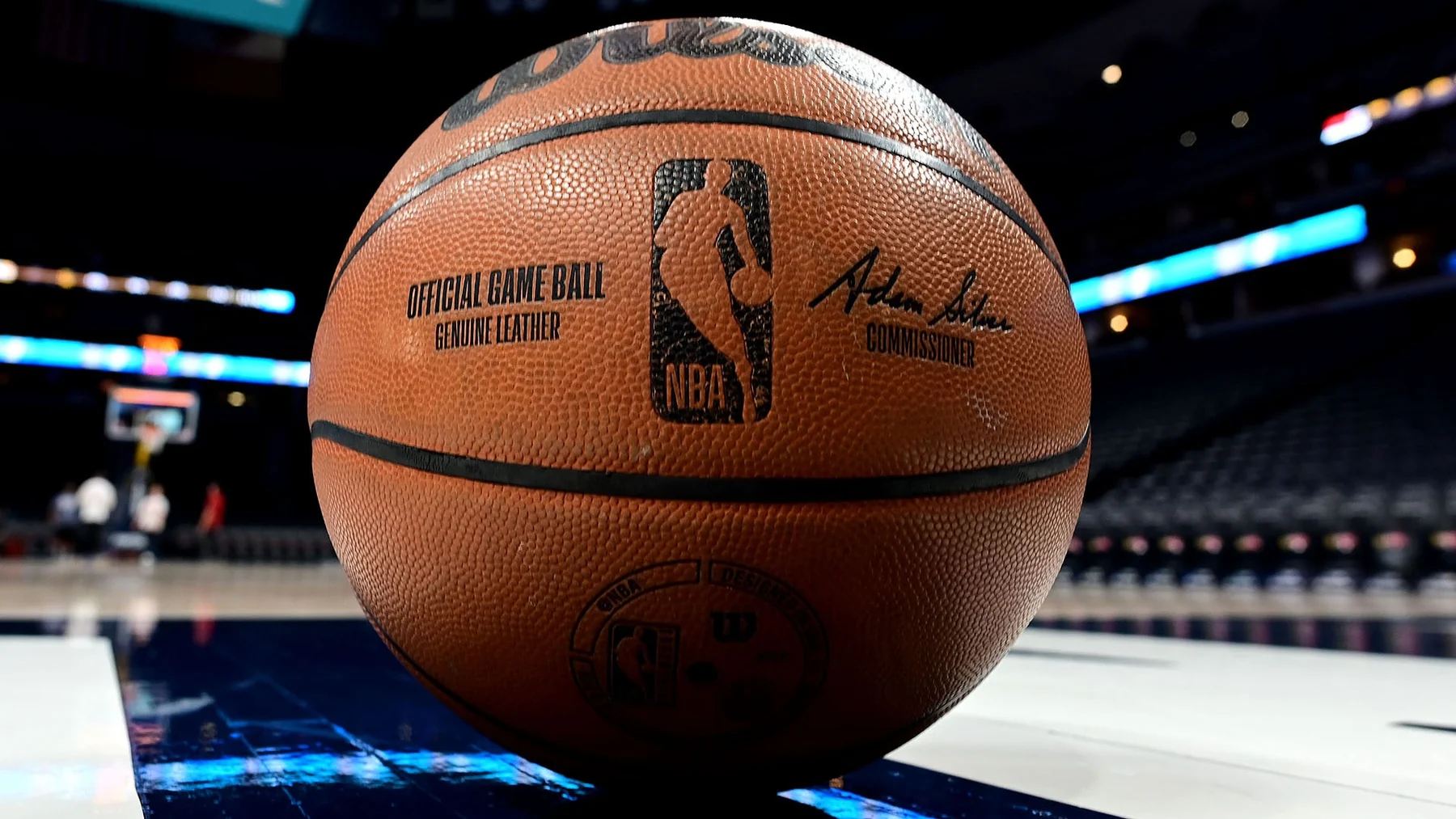
The 2026-27 NBA season starts October 20 and ends April 11
The short answer is now official: the 2026-27 NBA regular season begins Tuesday, October 20, 2026, and its 82-game schedule ends Sunday, April 11, 2027. Opening Night is a three-game national window on NBC and Peacock—Boston at Detroit at 3 p.m. ET, Philadelphia at New York at 7 p.m. ET, and Oklahoma City at San Antonio at 9:30 p.m. ET. The early start makes the first day feel less like a conventional doubleheader and more like an all-day league relaunch.
That April 11 endpoint needs one important qualifier. It is the end of the regular season, not the end of NBA basketball. All 30 teams play that Sunday, a synchronized finish designed to reduce the informational advantage that could come from playing after a direct seeding rival. Playoff rosters are set April 12, the SoFi NBA Play-In Tournament runs April 13-16, and the first round begins April 18. A contender's season can therefore continue for roughly two more months.
Opening Night
Oct. 20, 2026
Regular-season finale
April 11, 2027
Play-In
April 13-16
Playoffs begin
April 18
For a date-by-date view, use the 2026-27 NBA schedule; for one club's travel pattern and home stands, move to the team schedule directory. Those pages answer “who plays when.” This guide answers the more useful season-level question: what changes as the calendar moves from camp to the Cup, through the trade deadline, and into the postseason?
The distinction matters because “season length” is not one clean workload measure. A lottery team may stop after April 11; a team finishing seventh through tenth must survive the Play-In before entering a best-of-seven series; a top-six seed gets almost a week between its final regular-season game and the playoff opener. Coaches will manage minutes and practice differently across those outcomes. Fans should likewise treat October 20 and April 11 as reliable planning anchors without assuming every meaningful date between them is equally settled.
Training camp and preseason create the real runway to Opening Night
The season does not begin competitively on report day, but its first meaningful decisions do. Players assigned to teams playing preseason games outside North America may report September 21, and those clubs may open camp September 22. Other veterans can report September 28, with general training camps opening September 29. The first preseason games follow October 3. That stagger is a travel accommodation, not a competitive bonus: clubs flying to Macao need installation and recovery time before playing.
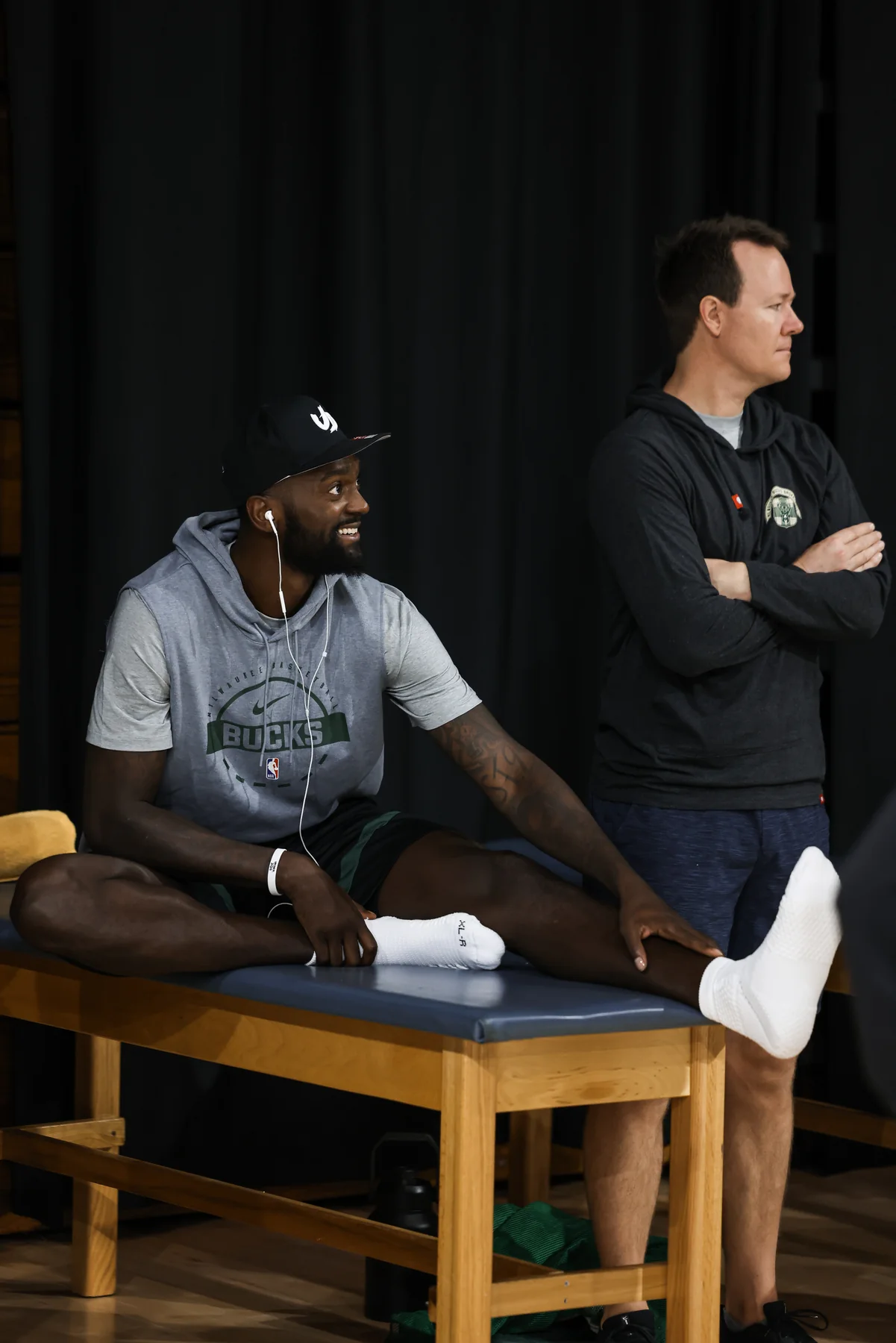
For established stars, preseason is mostly about rhythm and conditioning. For a new coaching staff or remade rotation, it is where terminology becomes habit: who calls the coverage in transition, whether a big is comfortable at the level of the screen, which secondary creator organizes bench minutes, and which five-man group can close without sacrificing spacing. The score can mislead because coaches are optimizing information, not wins. A 12-point exhibition loss can still be productive if a rookie handles real pick-and-roll reads against a veteran defense.
The sharper deadline is October 19 at 5 p.m. ET, when Opening Day rosters are set. An NBA team normally carries 14 or 15 standard-contract players and can also hold as many as three two-way players. That makes the final preseason games especially important at the bottom of the roster, where positional redundancy, tax cost, developmental runway and injury insurance can matter more than one hot shooting night.
The smart fan read:
Track roles, not raw box scores. Minutes alongside starters, defensive assignments and who initiates the second unit are more predictive clues than late-game scoring against camp lineups.
By October 20, the experimentation does not stop; the consequences simply become real. Teams with continuity can bank early wins while newly assembled groups are still learning timing. That is why the preseason-to-opener runway belongs in any serious answer about when the NBA season starts.
The NBA Cup changes the texture of October through December
Ten days after Opening Night, the Emirates NBA Cup begins. Group Play starts Friday, October 30, continues on Friday Cup Nights through November 27—with extra Cup dates on November 24 and 25—and feeds quarterfinals on December 4-5. Semifinals follow December 8 and/or 9, before the championship at Hinkle Fieldhouse in Indianapolis on December 11. Those are not exhibition dates pasted onto the calendar; almost every Cup game also counts in the regular-season standings.
The tournament changes incentives unusually early. A team that might ordinarily accept a quiet October loss while testing a rotation has less margin in a four-game group. Head-to-head results and point differential can determine advancement, so late possessions may stay strategically meaningful even when the winner appears decided. Coaches still have to balance that urgency against the injury risk of extending stars before the season is two months old.
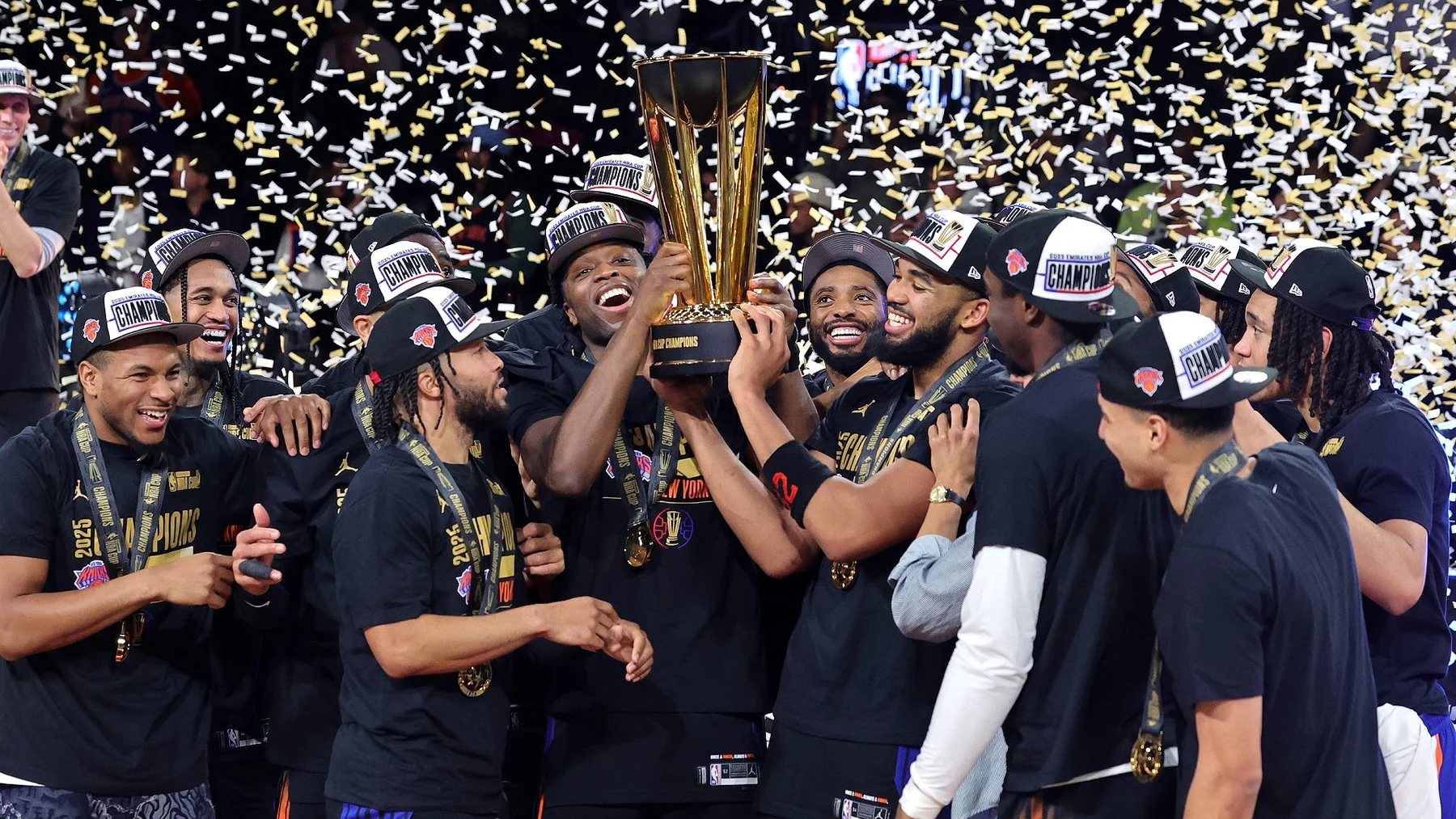
The schedule mechanics matter just as much. Every team initially has two December games labeled TBD because its path depends on Cup advancement. Teams that miss the knockout round are assigned regular-season opponents; advancing teams fill those slots through the tournament. The Cup championship itself is the exception: it is an extra 83rd game for the finalists and does not affect the regular-season record.
That uncertainty is why a downloadable calendar made in August should not be treated as permanent. Check the NBA calendar again after Group Play before booking December travel. From a basketball perspective, the Cup also provides the first useful stress sample: not proof that a team is built for May, but evidence of how its best lineups respond when scouting tightens, possessions acquire explicit stakes and one poor quarter can end a trophy run.
January and February turn the schedule into a roster stress test
By January, every front office has enough evidence to compare its summer plan with reality. The calendar then adds contractual pressure. Ten-day contracts can be signed beginning January 5, and contracts become guaranteed for the rest of the season on January 10. Those dates give injured or depth-starved teams a short-term tool while forcing decisions on non-guaranteed players who may have spent the first ten weeks auditioning for a permanent place.
The basketball evaluation is more complicated than asking whether the team is above .500. Decision-makers look at which lineups survive against switching defenses, whether the half-court offense still generates rim pressure, and whether a nominally versatile defender can stay in the playoff rotation. They also have to separate structural weakness from temporary noise. A poor bench net rating during a month without its lead guard does not automatically justify paying for another scorer; it may reveal that the roster needs a steadier organizer instead.
The February 11 trade deadline arrives eight days before All-Star Weekend begins. Buyers must judge how much draft capital or salary flexibility to spend for a marginal playoff upgrade. Sellers must decide whether a weak first half is a genuine ceiling or a health problem likely to correct. Second-apron restrictions and matching rules can make an apparently simple trade far harder than a social-media proposal suggests.
For fans, the useful habit is to read the daily NBA schedule alongside role changes. A new player may not close immediately; terminology, screening angles and weak-side defensive responsibilities take time. Deadline night changes the roster sheet in seconds, but the competitive effect often unfolds over the next ten games.
All-Star Weekend is a pause, not a competitive reset
NBA All-Star 2027 runs February 19-21 in Phoenix, with the 76th All-Star Game scheduled for Sunday, February 21 at the Mortgage Matchup Center. The league's broader All-Star break spans February 19-24. That placement creates a useful recovery window just after the trade deadline, but “break” means different things depending on a player's status.
Most players can step away from team basketball, receive treatment and let accumulated soreness settle. All-Stars fly into a dense weekend of media, sponsor and on-court obligations. Newly traded players may use the pause to learn terminology and meet coaches, while their staffs use it to rebuild rotation plans without sacrificing game days. The physical benefit is therefore real but uneven; it should not be assumed that every star returns fully fresh.
What coaches can—and cannot—fix
- They can simplify play calls for a deadline acquisition and define his first rotation role.
- They can identify two or three playoff lineups that deserve heavier post-break testing.
- They cannot install an entirely new identity without practice repetitions and live-game correction.
The standings context sharpens immediately afterward. A top-four team may use late February to preserve health while protecting home court. A team sitting ninth cannot spend three weeks experimenting; every loss increases the chance that its season comes down to two elimination games. The same compressed calendar can therefore produce different minute strategies, and broad accusations of “resting” often miss that competitive context.
Fans should also resist reading the All-Star selections as a complete first-half ranking. Availability, conference depth and selection rules shape the roster, while team performance reflects far more than individual honors. The best use of the weekend is as a checkpoint: review health, post-deadline fit, remaining back-to-backs and schedule strength, then follow the NBA TV schedule for the national windows that will frame the playoff race.
The regular-season finish flows directly into the Play-In and playoffs
The final regular-season games arrive Sunday, April 11, with all 30 teams in action. That synchronized design matters when seeds are unresolved: a team cannot play Monday knowing exactly what its rival did Sunday. Still, the final week is strategically unequal. A secure top seed can prioritize health, a team fighting for sixth is trying to avoid the Play-In entirely, and a ninth-place club may need both wins and help elsewhere.
On April 12, playoff rosters are set. The Play-In then runs April 13-16. In each conference, No. 7 hosts No. 8, and the winner takes the seventh playoff seed. No. 9 hosts No. 10, with the loser eliminated. The loser of 7-8 then hosts the winner of 9-10 for the eighth seed. This gives seventh and eighth two chances to win once; ninth and tenth must win twice. That is a substantial competitive reward even though all four places are casually called “Play-In teams.”
Seeds 1-6
Guaranteed first-round places and nearly a week to prepare after the finale.
Seeds 7-8
Two possible paths to one win and a playoff berth.
Seeds 9-10
Two straight wins required; one loss ends the season.
The first round begins April 18, leaving a Play-In qualifier almost no recovery or deep practice window before meeting a top-two seed. Its opponent gains rest and scouting time but risks losing game rhythm. Neither factor guarantees a series result; it simply defines the preparation asymmetry. Individual matchups and tip times cannot be known until standings and Play-In results settle.
So when does the 2026-27 NBA season start and end? Use October 20 and April 11 as the regular-season bookends, then keep April 13-16 and April 18 on the same calendar. Save the printable NBA schedule for broad planning, but verify the live schedule before buying late-season travel or assuming a postseason opponent. The league calendar is fixed enough to plan and conditional enough to reward one final check.
Sign in with Google to join the discussion.