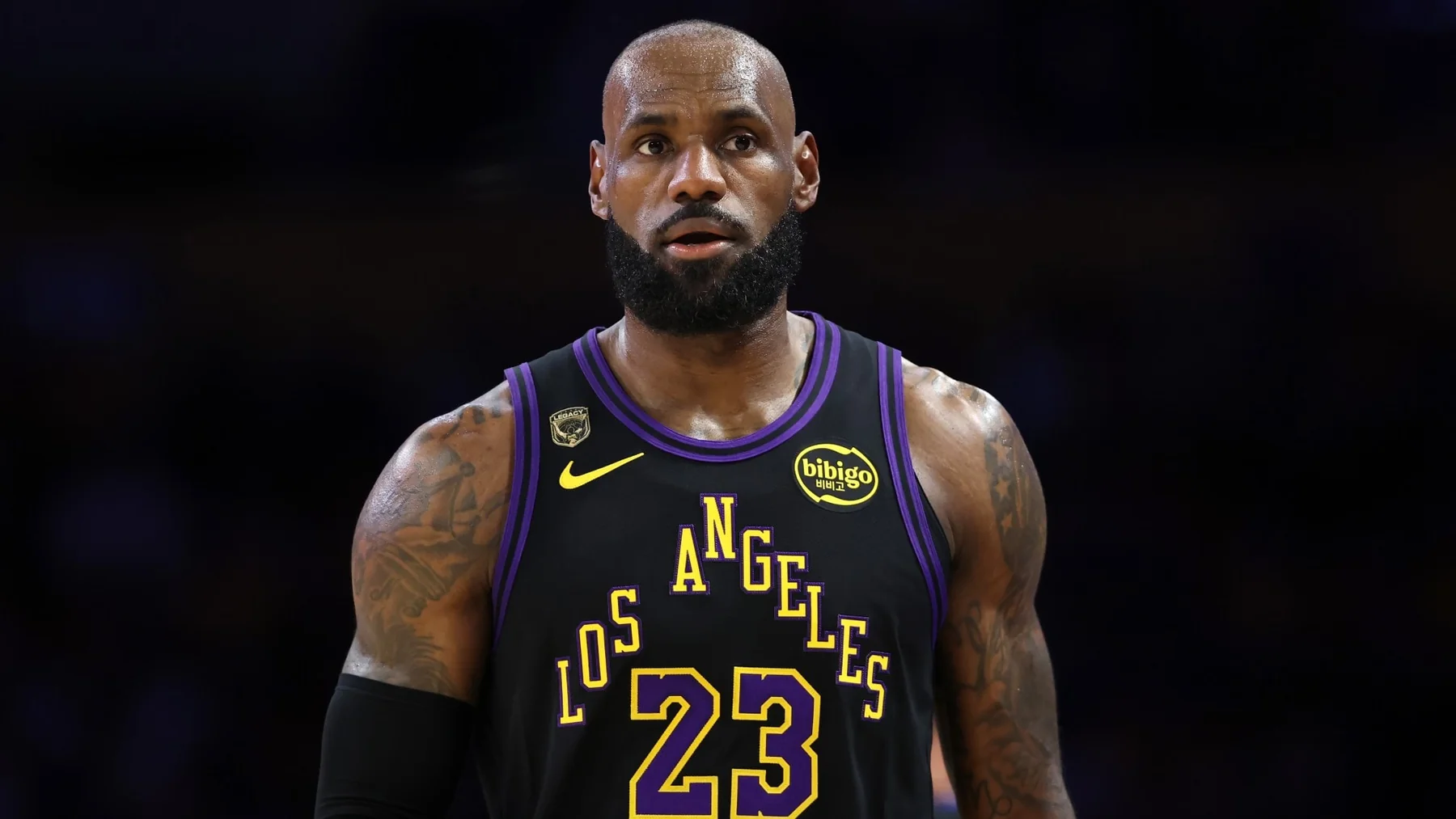
What LeBron James actually announced with Polymarket
LeBron James has publicly promoted a partnership with Polymarket, a platform where people trade contracts tied to the outcome of events. That is the confirmed starting point. It is James' promotional relationship, not an announced NBA or Philadelphia 76ers sponsorship. The campaign shown in September 2026 centered on football. For an NBA fan, the distinction matters because a recognizable basketball player can lend credibility to a prediction-market business without appearing in an ad for a particular basketball contract.
The September 5 teaser and September 8 campaign
On September 5, James posted a short Polymarket-branded teaser on X and described it as a partnership. Front Office Sports reported the same day that his earlier DraftKings endorsement had expired and that this campaign would focus on football. Three days later, James posted a longer video set in a fictional Polymarket headquarters. The Philadelphia Inquirer described a sports floor and appearances by names including Eli Manning, Derek Jeter and Sue Bird, all built around the football-season launch. The visible creative tells fans what was being marketed at that moment; it does not publish the full commercial agreement or create an NBA league deal.
The distinction is particularly easy to lose because James had just joined Philadelphia for the 2026–27 season. Search results mix the Sixers signing, his prior DraftKings work, the Polymarket videos and wider debates about sports betting. Put them in date order: a July basketball move, a September 5 teaser, a September 8 campaign video, then later financial reporting. Only the last item supplies the widely repeated dollar figure.
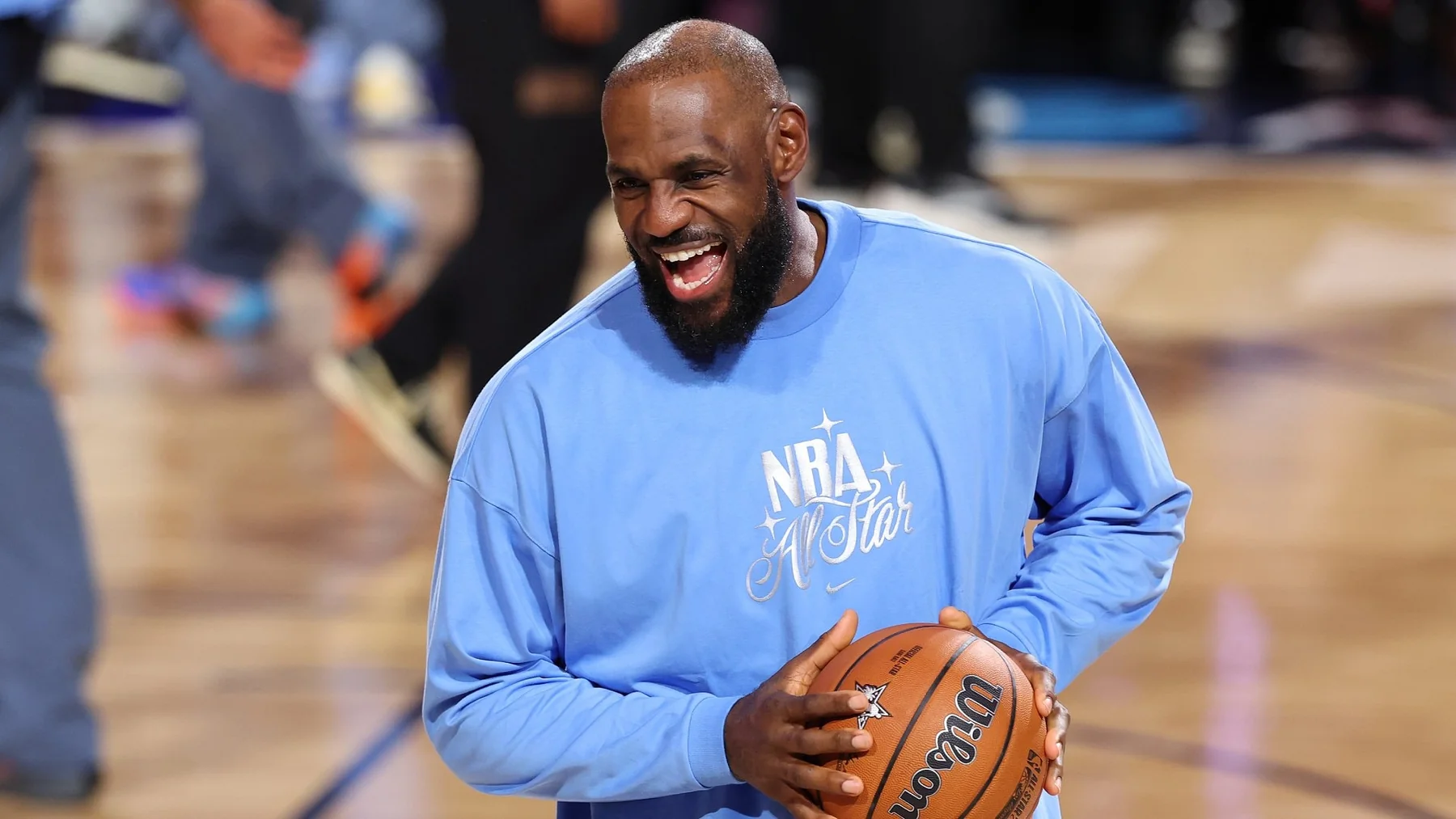
What the reported $15 million figure does and does not establish
On September 16, Front Office Sports reported, citing sources, that Polymarket would pay James $15 million per year. The outlet also said one source described him as an endorser rather than an investor, and that the arrangement involved multiple promotional deliverables. Its report did not establish the agreement's length; Polymarket declined to comment and a representative for James did not immediately respond. CBS Sports repeated the figure the next day with attribution to Front Office Sports. It is therefore a serious reported number, but not a publicly disclosed contract figure that readers can independently audit.
His roughly $3.9 million 2026–27 Sixers salary has made the comparison eye-catching. Yet the size of an endorsement relative to a playing contract does not, by itself, show a salary-cap violation, a wager by James, an NBA betting relationship or influence over a game. Those are separate factual questions. The Polymarket story is newsworthy because James is active, prominent and attached to a company selling event contracts. The responsible next step is to examine what those contracts can cover and what the NBA's actual boundaries are.
Why a football-focused campaign concerns NBA fans
The football emphasis is meaningful. Reporting about James' arrangement says his promotional work is aimed at that sport, and the September video arrived with the football season. It does not show him asking fans to trade on his points, the Sixers' results or another NBA event. But a campaign can have a broader effect than the exact contract category pictured in an ad. A current NBA player's image can introduce basketball followers to a platform whose menus may include basketball outcomes. That is the source of the fan concern, not proof that James has crossed a league line.
James' own summer illustrates the proximity. Polymarket listed contracts on which team he would join for 2026–27. The Inquirer noted that his destination had been a subject of prediction-market activity before he publicly joined Philadelphia. Fans see a strange sequence: speculation about the star's personal career decision, then that star appears in a campaign for a prediction-market brand. The sequence invites questions about what market makers know and how insiders are kept away from trading. It does not establish that James traded on his own decision or that the partnership affected it.
There is also a basic audience issue. A supporter who follows the 76ers for Tyrese Maxey's pace, Joel Embiid's health and James' new role may already be surrounded by odds, props and trading prices in game coverage. Some fans welcome additional information and entertainment; others feel the broadcast and social feed turn every possession into a financial result. A high-profile endorsement gives that second group another reason to worry about where basketball attention is being directed. This is a judgment about the viewing experience, not a finding about any game.
The September reaction reported by Heavy included criticism of a wealthy athlete promoting such a product at all. That objection does not depend on whether the campaign mentions the NBA. Someone can believe football event contracts are inappropriate for James to advertise, while also accepting that he is entitled to commercial work under the applicable rules. Fans can disagree on that value judgment. They should still ask the same fact-based questions: what is being promoted, which basketball markets the platform lists, what conduct the NBA prohibits, and whether the league itself has made any separate deal.
How prediction markets create basketball integrity questions
A prediction-market contract can turn a future event into a tradable yes-or-no question. The Commodity Futures Trading Commission explains that a contract commonly pays a fixed amount if the stated outcome happens and nothing if it does not; the trading price reflects participants' perceived probability. That can look familiar to fans who already encounter betting odds, but the event does not have to be the final score. It might concern a team move or a player's availability. The precise wording and settlement rules matter because each type of question creates a different incentive and a different opportunity for private knowledge to matter.
There is a concrete basketball example without inventing one: Polymarket displayed a market asking which team James would join for the 2026–27 season. It is a historical page now, not a current recommendation or a sign that James traded on it. Its relevance is that a player's own career can become the subject of a contract on the same platform he later promotes. A reader should distinguish the existence of that contract, which the platform page establishes, from any allegation about who participated, which it does not.
Inside information and events a player can influence
Information can reach a locker room before it reaches the public. An athlete, agent, family member or staffer may learn about an injury, a lineup decision or a contract choice while everyone else is still guessing. If an event contract turns on one of those facts, someone with early access could have an advantage. There is a second problem when the subject can influence the outcome itself: a narrowly written player-performance or availability question can create a perverse incentive in a way that a broad championship question may not. These are structural concerns about market design. They do not mean James has used private information or altered any basketball decision.
The CFTC says registered venues must address manipulation and monitor trading. In a March 2026 advisory, the regulator also focused on obligations around sports-related event contracts. Those safeguards matter, but a platform's compliance program cannot replace the question fans ask of the NBA: can the league detect suspicious activity, protect confidential team information and keep participants away from markets connected to their work? The answer depends on the contract, venue rules, league rules and actual enforcement. An endorsement video alone answers none of those questions.
Harassment and negative-outcome markets
Integrity is not limited to whether a result was fixed. In an April 2026 letter to the CFTC, five players' associations, including the National Basketball Players Association, described harassment of athletes and their families by people upset about losing money. They asked regulators to restrict contracts tied to negative or easily influenced outcomes, including unders, injuries and penalties, and to build stronger protections for medical data and fair investigations. The letter is evidence of a labor concern and a policy request. It is not proof that every requested restriction is already law or that James' campaign caused the behavior.
Think of the fan watching a healthy player miss a late free throw or leave a game with an injury. Most such events are ordinary basketball uncertainty. A market that pays on a narrow adverse outcome can give some spectators a financial reason to root for that outcome, then a target for anger when the contract loses. The unions' request tries to reduce that incentive at the market-design level. Whether regulators and platforms adopt the proposed guardrails remains a separate question. For readers assessing the James deal, the useful test is to examine what contracts a platform offers and how it protects athletes, without treating a sponsorship as evidence that a player bet or manipulated anything.
What NBA rules allow and what they prohibit
The most direct published rule concerns a player's own conduct, not the mere appearance of a company logo in an advertisement. Article 35(f) of the NBA–NBPA Uniform Player Contract addresses a player who directly or indirectly wagers money or something of value on any NBA or NBA G League game or event. It provides for notice and a chance to answer a charge, with possible sanctions that include a fine, suspension or expulsion. An event contract tied to an NBA game could raise that issue if a player actually took a position. Nothing in the public campaign record establishes that James did so.
Endorsing a business is a different act. Front Office Sports reported, citing a person familiar with NBA policy, that the league has no specific prohibition on players endorsing prediction-market companies, while players may not promote particular NBA-related event contracts. That is a reported description of the endorsement boundary, rather than a clause we can quote from a published league policy. It also explains the football focus of the James campaign without establishing that every conceivable ad or platform practice has NBA approval. His visible September work should be judged on what it actually shows: a personal campaign centered on football.
Three separate questions: Did James advertise a company? Yes, publicly. Did he advertise a specific NBA event contract? The football campaign reviewed here does not show that. Did he wager on an NBA or G League event? No evidence of that has been presented. These questions require different evidence and should not be collapsed into one accusation.
A player endorsement is not an NBA league partnership
James can make a personal commercial arrangement without signing on behalf of his team or the NBA. League partnerships involve the NBA itself, its rights and usually a league announcement. As of this September 28 review, the cited coverage described the NBA as considering prediction-market deals, but it had not established a Polymarket deal with the league. Front Office Sports explicitly said there was no indication James' agreement was linked to possible NBA plans. Readers should be careful with a headline that places “LeBron,” “NBA” and “Polymarket” together: only the first and third names are parties to the announced player campaign.
Nor does the reported $15 million endorsement amount tell us anything conclusive about rule compliance. A commercial fee pays for publicity; a wager exposes value to an event outcome. The first may raise reputational questions, while the second could directly engage the Uniform Player Contract's prohibition when the event is in the NBA or G League. The NBA's general relationship with betting brands and any future rule change deserve separate scrutiny. At present, the public evidence supports a narrower conclusion: James promoted Polymarket; his campaign was reported to focus on football; the wagering rule still applies to him as an NBA player.
What the backlash gets right and where it overreaches
Some Sixers fans have reacted as people who want basketball to stay about basketball. In a September team discussion, commenters complained about yet another gambling-adjacent message around the sport, questioned why a player with James' earning power would promote this product and worried about a conflict of interest. A later NBA fan discussion showed the other side: several commenters argued that athlete endorsements and sports betting ads are already common, that James had previously worked with DraftKings and that a football promotion does not imply basketball wagering. These are examples of fan opinion, not a survey of Philadelphia or NBA supporters.
The strongest criticism does not need a conspiracy theory. A star's reach can send a curious audience, including younger followers, toward a platform where money is attached to sports and other outcomes. Supporters can ask whether that influence fits the player's public role, whether an ad clearly distinguishes prediction contracts from harmless sports picks, and how the company protects users and athletes. The NBPA-backed union letter gives that concern more substance: athletes say betting-driven harassment affects them and their families. Whether James should lend his name to the business is a fair ethical debate even if his deal complies with current NBA rules.
A new development also deserves a precise description. On September 24, New York's attorney general announced a lawsuit against Polymarket, alleging that its event contracts amount to unlicensed gambling in the state and raising concerns about access for people aged 18 to 20. The state is seeking court relief. The allegations have not been established by the announcement itself, and the legal dispute concerns the platform, not an accusation that James broke the law. It does make the wider regulatory uncertainty around his chosen partner concrete rather than hypothetical.
Where the backlash overreaches is in leaping from association to a claim about game integrity. There is no public evidence in the reviewed material that James traded a basketball contract, disclosed private Sixers information, manipulated a result or violated the NBA's wagering provision. A large reported fee is not that evidence either. Nor can a comment thread prove that the endorsement will distract the roster or change Philadelphia's record. Fans are free to lower their opinion of the promotion; readers should demand a separate, reliable source before treating an allegation about on-court conduct as fact.
The better question is measurable: will the campaign stay within the reported football scope, will Polymarket address the specific athlete and user risks being raised, and will the NBA state clearly if its own relationship with prediction markets changes? Those questions give skeptical fans something firmer to watch than rumors about James' motives. They also allow fans who have no objection to the ad to understand why others see a real problem in the business around the game.
What to watch before the 76ers' 2026–27 opener
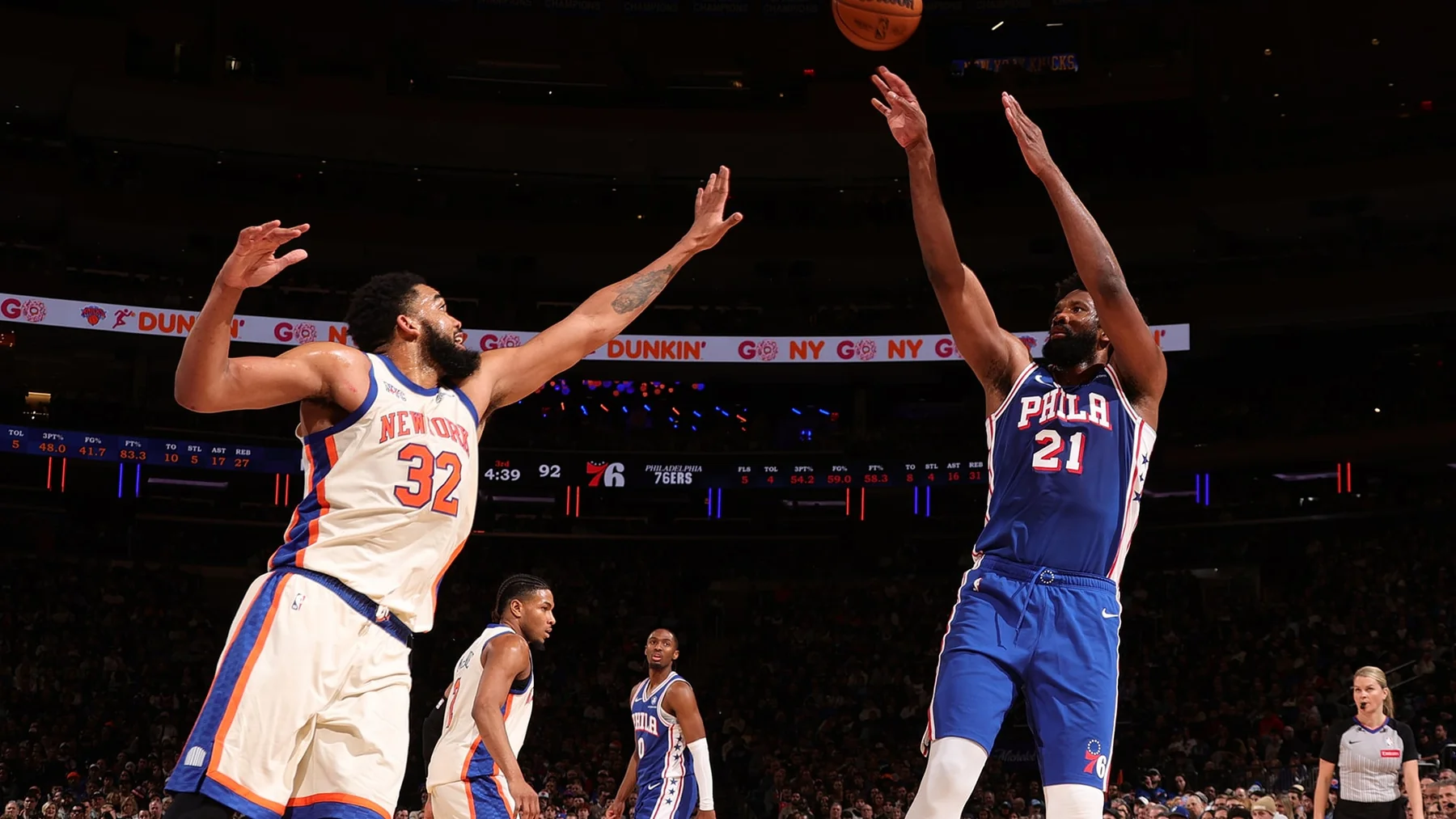
There is a firm basketball date behind this off-court story. The NBA's Philadelphia schedule lists the 76ers at the defending champion New York Knicks on Tuesday, October 20, at 7 p.m. ET, with NBC and Peacock carrying the game. New York is scheduled to raise its championship banner at Madison Square Garden. The NBA also lists Philadelphia's home debut against Cleveland on October 22. As with any future fixture, fans should check the live league schedule close to game day for changes to time or coverage.
Before tip-off, the first useful checkpoint is the campaign itself. If future James posts stay with football, they support the reported description of the endorsement. If a post names a specific NBA event contract, that would deserve fresh reporting against the boundary described by Front Office Sports. The second checkpoint is an NBA announcement. A league statement or official partner page would establish a league relationship; a player video, third-party rumor or prospective business discussion would not.
Third, follow the New York case and any CFTC or platform rule changes for their actual outcomes. A filing is not a judgment, and a players' union request is not an adopted rule. Both can still shape what kinds of sports contracts are offered and how athletes are protected. Readers interested in the basketball side can follow the 76ers game schedule and our guide to James' fit in Philadelphia as the new season begins.
Finally, let the on-court evidence arrive on its own terms. The Knicks opener will show how James and his new teammates play in a high-profile setting; it cannot retroactively prove the endorsement was harmless or harmful. The public facts today are clear enough: James promoted Polymarket in a football-oriented campaign, a $15 million annual fee has been reported by sources rather than disclosed by the parties, NBA wagering restrictions remain in place, and fans have legitimate questions about prediction markets. Anything more specific requires new evidence.
Sign in with Google to join the discussion.