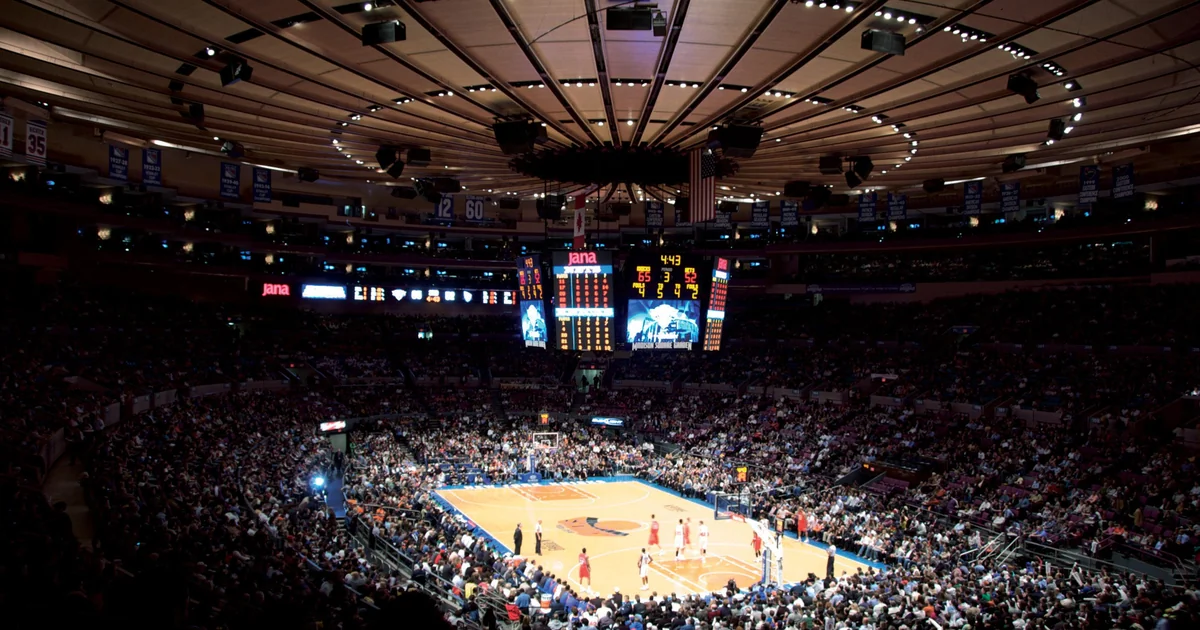
A ticket for an NBA game tomorrow is a short-deadline purchase: the matchup must be right, the total must fit your budget, and a valid mobile ticket must reach your account before you leave for the arena. The cheapest listing is useful only after those checks. This guide works through that order for the 2026–27 season. Ticket inventory, prices, tipoff times and player availability can change; check the live event page before paying.
Confirm tomorrow's game before opening a ticket map
Start with the tomorrow NBA schedule, then open the official NBA schedule or the home team's schedule for the same date. A search result for “Lakers tickets tomorrow” could mean a Lakers home game, a Lakers road game in another city, or an old event page still indexed by Google. The team named first in an advertisement is not proof of the venue. Write down the two teams, home club, arena, local tipoff time and competition before comparing seats. This takes a minute and prevents a much more expensive wrong-city purchase.
Home team, arena and local tipoff time
Read “at” and “vs.” carefully. “Warriors at Lakers” puts the game at the Lakers' home arena; “Warriors vs. Lakers” on a Warriors team page usually means Golden State is home. Still, use the event detail rather than shorthand because neutral-site games can break that pattern. Confirm the arena address and the ticket date in the arena's local time zone. A late West Coast tip can fall on the next calendar day for a fan checking from the East Coast or abroad. The buying page and the official schedule should describe the same event, not merely the same pair of teams.
Also check whether you need two adjacent seats, an accessible location, or a particular entrance before you filter by price. A seat map can show a low number for one isolated seat while your group needs two. If you are traveling, verify the arena against your route before paying for parking or a hotel. The team schedules make the home and road distinction easier to check than a generic marketplace search.
Preseason, NBA Cup and schedule changes
The 2026–27 regular season begins October 20, 2026, according to the NBA's August 13 schedule release. A “tomorrow” NBA result before then may be a preseason game. For example, Sacramento's announced preseason slate includes an October 5 home game against the Lakers. That is a legitimate NBA event, but the competitive stakes, rotations and typical ticket demand differ from a regular-season matchup. Match the event label to the experience you expect rather than assuming every October listing is a regular-season ticket.
The NBA also left two December regular-season games per team unassigned until Emirates NBA Cup Group Play determines the relevant matchups. In that window, a placeholder or tentative opponent deserves extra scrutiny. Even for an assigned game, recheck the team's current event page on purchase day and before travel: a static article cannot guarantee that a tipoff, venue or ticket policy will stay identical. If there is no NBA game tomorrow in your area, the correct next step is to choose another date, not to buy a similarly named event from a stale search result.
Start with the team, then compare remaining resale inventory
Once the event is confirmed, open NBATickets.com or the host team's official site and follow the link for that exact game. This establishes the team's own ticket path and the approved resale path before you scan other marketplaces. The NBA hub is a directory, not a checkout: each club uses its chosen transaction platform. Ticketmaster is the league's official ticketing partner and powers many teams, but the NBA FAQ makes clear that some teams use another primary partner. A domain change after clicking a team link can therefore be legitimate; check it against the team's own link rather than assuming every NBA sale must live on one domain.
In a 24-hour search, first-sale seats and resale seats may sit beside one another on a seat map. Check both if available. Teams can still have standard single-game inventory, promotions or released holds, while season-ticket holders and other owners can list previously sold seats. A sold-out label in one channel does not prove that every seat in the building is unavailable. Conversely, a large resale list does not mean a team has cut its primary prices. Filter for the number of seats you need and look at the ticket type before interpreting the lowest badge.
What official and approved resale actually mean
“Buy from team” means the team issues a first-sale ticket through its provider. “Browse resale” on the NBA hub takes you to a team-approved exchange where an existing holder sets the asking price. On listings specifically marked Ticketmaster Verified, Ticketmaster says it validates the original barcode, cancels it and issues a unique ticket for the buyer. Those details explain why a verified resale ticket can be authentic even though it costs more or less than the seat's original face value. They do not prove that it is the best value in the arena.
| Path | Who sets the asking price? | Next-day check |
|---|---|---|
| Team primary | The club | Same event, seat, delivery and checkout total |
| Team-approved resale | The ticket holder | Verification label and issue method |
| Other resale marketplace | The seller | Fulfillment deadline, guarantee and actual ticket transfer |
Other established resale sites may show additional seats. Read their event-specific fulfillment and remedy terms before buying, particularly when there is no time to wait for a replacement. A refund after a failed transfer does not put you inside the arena. The site's full-season ticket buying guide covers the broader primary-versus-resale choice; for tomorrow, delivery timing deserves equal weight with seat location and price.
Compare the payable total, not the cheapest badge
“NBA tickets tomorrow price” has no single answer. The NBA says clubs can vary first-sale prices by opponent, weekday and exact seat; a resale owner sets a separate ask. A Friday visit by a major draw in a small remaining section is a different market from a Tuesday game with many upper-level seats. For a purchase under time pressure, the useful number is the final amount for your whole group in comparable seats. A one-seat “from” price is neither a quote for your party nor evidence that tomorrow will be cheaper.
Build a like-for-like two-seat comparison
Compare the same event, adjacent-seat quantity, similar section and row, and view restrictions across two sellers. Then record the payable amount at the final review screen, including taxes and any delivery choice. For example, imagine that two comparable seats show an all-in displayed price of $92 each at one seller and $88 each at another. If the first adds $8 in applicable tax and the second adds $12, the example totals are $192 and $188. These numbers are illustrative arithmetic, not live NBA listings. The $4 difference may be less important than a clear immediate-delivery term or a materially better sightline.
The US Federal Trade Commission's live-event fee rule requires sellers to show known, mandatory charges in the displayed total. Government taxes, shipping and optional products can be excluded from that initial figure, but must be disclosed before payment. Ticketmaster similarly says its “All In Price” includes fees, while local tax and a selected delivery option may still enter at checkout. That is why the last payment screen remains the comparable number. Keep optional insurance, parking, food and travel in a separate trip budget; buying them does not make a poor seat a bargain.
Treat listing prices as offers, not a forecast
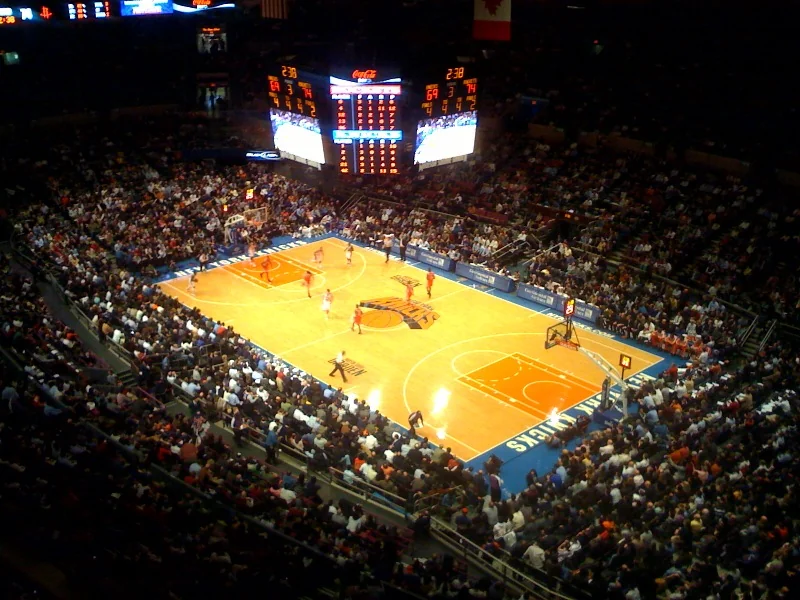
A resale list shows what sellers are asking now, not what every buyer has paid. If three similar seats appear at $70, $85 and $140, the $140 listing does not establish a $140 market average. Nor can you infer that the $70 seat will still be there after dinner. Save two or three comparable candidates and set a maximum total you are prepared to pay. If a suitable listing meets it and delivery is secure, waiting solely for a lower number is a bet on future inventory, not a savings strategy with a guaranteed payoff.
Check the seat notes too: restricted-view labels, aisle position and row can explain a cheap offer. The courtside price guide shows how wildly premium seats can diverge from ordinary bowl inventory, but the same logic applies within the upper level. Compare what you will actually see, not just the arena name printed above a price badge.
Decide whether to buy tonight or wait until game day
There is no reliable NBA-wide hour when tickets become cheapest. A seller may lower an ask as tipoff approaches, but a desirable pair can be purchased by someone else first. Ticketmaster recommends buying at official on-sale for certainty; last-minute marketplaces point out possible late bargains. Both observations can be true for different games. The useful question tonight is whether a listing already meets your seat, total-price and delivery requirements. If it does, the possible savings from waiting must be weighed against losing that exact option.
Buy tonight
Your date is fixed, you need several adjacent seats, or the game is a marquee matchup. Secure the acceptable listing while you still have time to resolve delivery.
Monitor until morning
You see many comparable pairs, can change sections, and have a clear price ceiling. Recheck actual inventory, not a screenshot of last night's prices.
Wait near tipoff only if flexible
You live close, can skip the game, and will use an immediately deliverable ticket. Leave time to accept it and pass security.
A midweek regular-season game with many similar seats may give a flexible buyer more room to watch the market. Opening night, a Christmas game, a high-profile rivalry or a rare visiting-star appearance can behave differently. TickPick's NBA last-minute guide points to weeknights as potentially friendlier than weekend prime time, yet it explicitly rejects the idea that late tickets are always cheaper. That is a qualitative observation from a marketplace, not a guarantee for a particular home arena or opponent.
Set two deadlines: a purchase deadline that leaves enough time for ticket transfer, and an arrival deadline that includes parking, security and finding the correct entrance. A bargain visible at tipoff has little value if you are across town or the seller still must initiate a transfer. Record a fallback section and total you will accept tonight; if tomorrow's inventory worsens, you can decide quickly without chasing a disappearing listing. For a broader look at opponent and calendar demand across the season, see the 2026–27 ticket guide.
Choose seats and group size under a short clock
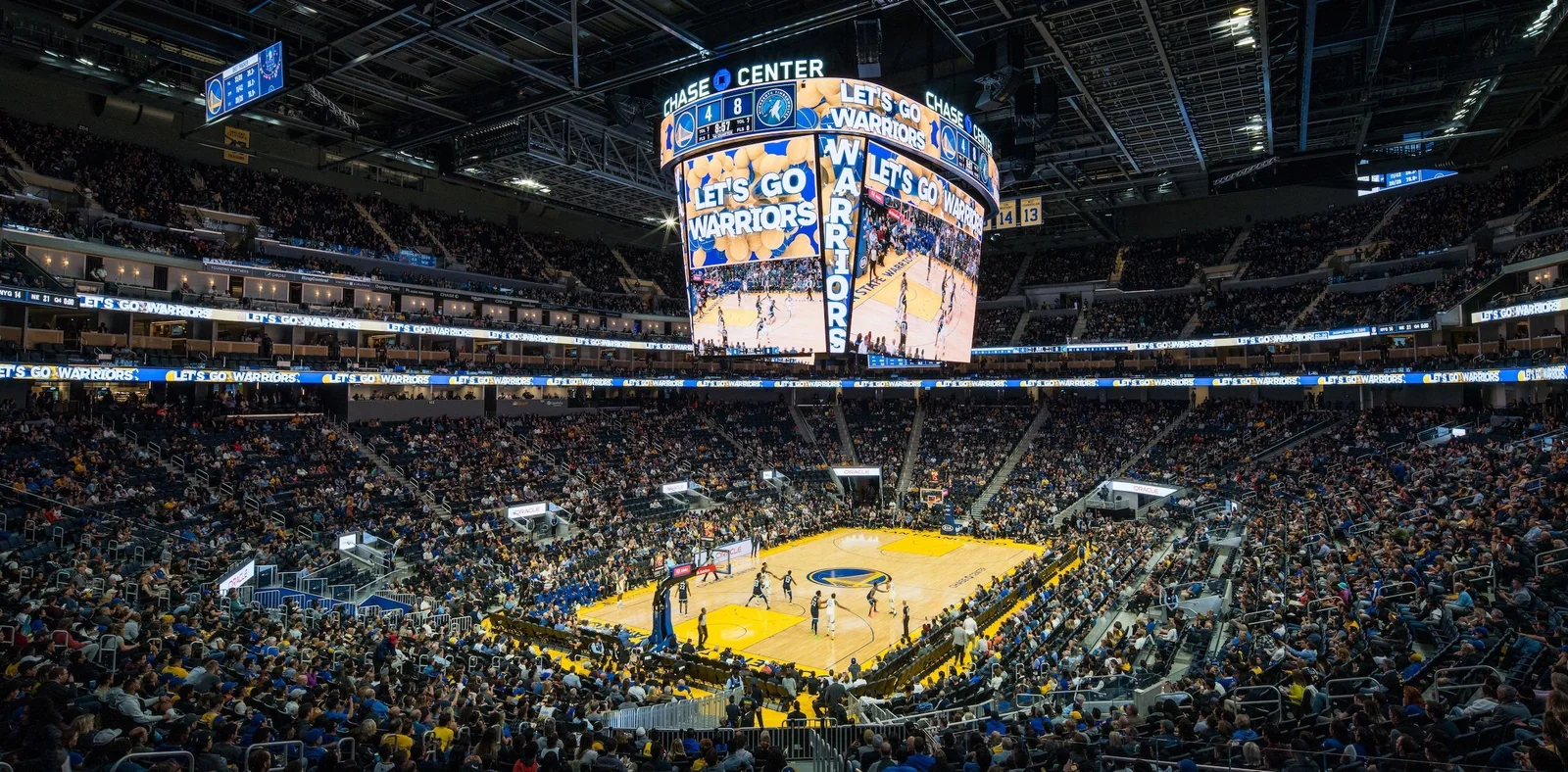
The best next-day seat is one you can evaluate quickly and actually use. Set your ticket quantity before sorting by price; otherwise the first result may be a stranded single. Open the interactive map and inspect section, row, any restricted-view note and the 360-degree preview when the platform offers one. Ticketmaster's NBA guide explicitly supports quantity, accessibility and resale filters, and the Spurs publish section views as a team-level example. A picture from an arena's lower bowl can help, but only the exact seat description tells you what the listing promises.
Think about how you watch. A centered upper-level view can make spacing, help defense and the shape of a late-game set easier to follow. A low baseline seat puts one basket close, with a more compressed angle on possessions at the other end. Corners often sit between those experiences. These are viewing tradeoffs, not universal rankings: railings, camera platforms, benches and individual arena geometry can change the result. Check the seat map rather than paying a proximity premium without seeing the angle.
Why a pair behaves differently from a four-seat block
Late inventory is often fragmented. A resale seller with two seats can serve a pair, but cannot create four consecutive seats; four friends seeking one row need a rarer combination. TickPick's last-minute sports guide makes this practical point, and the seat map lets you test it for your event. If a group of four is willing to split, compare two pairs in nearby sections only after everyone agrees. “Same section” does not guarantee nearby rows, and two separate orders can carry different delivery terms. For a family with children, do not use a split-seat workaround without checking venue rules and who will sit with whom.
If someone needs accessible seating, use the event's accessibility filter or the team's ticket office rather than treating an aisle seat as equivalent. Confirm companion-seat eligibility and the route from entrance to section. Next-day timing makes an error harder to repair, so give that requirement priority over a small discount. Once your acceptable seat zones and quantity are clear, the comparison becomes faster: a genuine two-seat offer in the right area can be evaluated against the total and delivery deadline instead of every dot on the map.
Make sure the ticket reaches your phone before tipoff
Payment confirmation is the start of fulfillment, not the end. Before checkout, read the listing's delivery method and stated availability time. The NBA's official resale FAQ distinguishes instant from other electronic delivery and warns that some inventory has a later release date. A ticket that is promised after you need to enter the arena is a poor fit even if the seat is attractive. Prefer a listing whose actual credential can be transferred or issued with enough time to fix an account or app problem.
Accept transfers in the correct account or app
Confirm the email address tied to the buying account, then follow the platform's transfer instructions rather than a link forwarded through a social-media message. Ticketmaster's NBA guide says the ticket may appear under “My Tickets” or direct you to a partner, team or venue app. A sender pressing “Transfer” does not mean the recipient has accepted it. For a group, ask each recipient to sign in and confirm the ticket appears under the correct game before anyone travels separately. Some events disable transfer; check the event's own terms instead of assuming you can pass tickets among phones at the last minute.
Barcodes may also be released on an event-specific schedule. The Celtics, for example, say their game barcodes appear in the Celtics app starting 48 hours before tipoff. That team rule shows why an order can be legitimate even when the barcode is not visible far in advance. For a game tomorrow, however, a missing expected credential needs immediate attention: check the app named by the team, the order's delivery window and the seller's support channel while there is still time to resolve it.
Screenshots, wallets and arena connectivity
Do not rely on a screenshot. Ticketmaster says its moving mobile barcodes refresh every 15 seconds and a captured image will not get you in. Open the ticket in the required app before leaving, and add it to Apple Wallet or Google Wallet when that option is offered. Ticketmaster recommends the wallet step because mobile service can be weak near a crowded gate. Bring a charged phone; if several people hold tickets in one account, plan how each person will present a live credential at the scanner.
A simple completion test is stronger than a receipt: the right event and seats appear in the correct account, any required transfer is accepted, and the credential or supported wallet pass is ready for entry. If one of those steps fails, contact the platform named on the order or the team's ticket office before reaching the security line. Buying at the last possible minute sacrifices the time needed for this check.
Keep a fallback for changes and failed fulfillment
Before paying, read the cancellation, postponement and failed-delivery terms attached to your exact order. Ticketmaster's 2026–27 NBA FAQ says a game canceled without a replay, or played under conditions that bar fans, can lead to a full refund. A rescheduled game is different: Ticketmaster says an existing ticket generally remains valid for the new date, while a refund option depends on the event organizer. The NBA's resale hub directs buyers to its exchange's own cancellation policy. A policy on one platform should not be copied onto a different seller's order.
There is a separate basketball risk: the player you hoped to see may not play. Ticketmaster's purchase policy says individual athletes can change without notice. The ticket is for the game, and an injury, rest decision or changed rotation does not by itself create a universal refund right. If seeing one star is the entire reason for the trip, accept that uncertainty before buying nonrefundable travel. A 2026–27 back-to-back or late-season standings situation may help explain a lineup decision, but neither predicts whether an individual player will be available tomorrow.
If the ticket has not arrived by the stated delivery time, contact the seller through the order page at once. Keep the order number, seat description, promised delivery time and support conversation together. If a barcode fails at the venue, move aside from the scanner, contact marketplace support and ask the arena box office where ticketing problems are handled. A guarantee may provide replacement or money back under its terms; it cannot promise that a comparable pair will still exist minutes before tipoff. That is why the earlier purchase deadline matters.
The 24-hour decision in one pass
- Verify the home arena, local game date and event type on the live schedule.
- Open the team's ticket link and compare matching primary and resale seats.
- Set a whole-order price ceiling and a deadline that leaves time for delivery.
- Pay only after reviewing seat notes, final total, delivery and event terms.
- Accept the credential in the required app, prepare the supported wallet pass, and recheck the game before travel.
Sign in with Google to join the discussion.