A starting lineup, depth chart and rotation describe different things
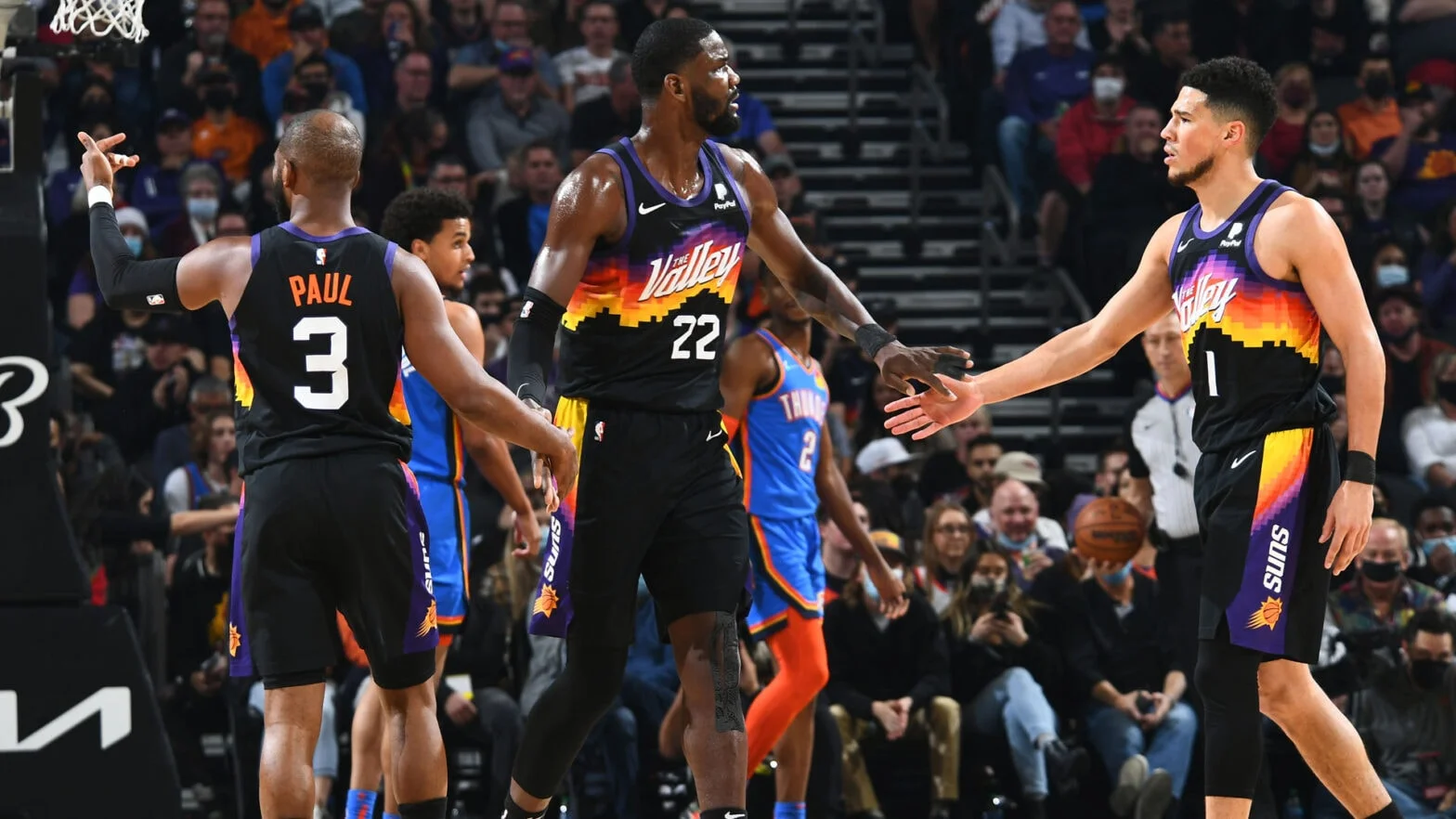
An NBA starting lineup identifies the five players who begin a particular game. A depth chart organizes a team's options by position or role. A rotation describes how the coach distributes playing time and combines those players across the night. A projected starting lineup is a forecast of the first item, not confirmation of it. Keeping these terms separate prevents a surprising amount of confusion before tipoff.
| Information | What it answers | What it cannot promise |
|---|---|---|
| Roster | Who belongs to the team | Who is available tonight |
| Depth chart | How options are arranged by role | The exact opening five or substitution order |
| Starting lineup | Who begins this game | Who plays most or finishes |
| Rotation | How minutes and combinations are used | An identical plan against every opponent |
A reserve can play more than a starter, handle the ball more often and remain on the floor for the decisive possessions. Another player can start to preserve a familiar substitution pattern, then leave early. The opening assignment matters, but it is only the first snapshot of a moving game. Treating it as a complete ranking of the team's players can obscure the coach's actual priorities.
Our all-30-team roster guide provides a broader personnel snapshot. This article explains how to read a game-specific update after that snapshot has been published. If the guide lists a plausible starting center but a current team report announces another player, those pieces of information may refer to different dates and evidence levels rather than a genuine contradiction.
Before using any lineup page, ask two questions: what time period does it describe, and is it reporting or predicting? An offseason depth chart, a morning projection and a confirmed game announcement can all contain the same five names while carrying very different certainty. The label and timestamp are as important as the names themselves.
Know when a projected starting five becomes confirmed
A projection becomes a report only when there is evidence for that game. An analyst can make an excellent forecast from recent starts and injuries, but confidence is not the same as confirmation. Look for language such as projected, expected, probable starter, coach announced or team announced. A website's green label is useful only if you understand the evidence behind it and when it was updated.
Trace the report to a coach, team or official game record
The strongest pregame evidence is a current team announcement or an attributable coach report from the arena. A reliable reporter saying the coach named the five is different from a columnist predicting what the coach should do. After tipoff, the official game record identifies who actually started. When several sites disagree, trace each claim backward instead of counting how many copied the same earlier projection.
NBA Rule 3 requires starting names and numbers to be supplied to the scorers at least 30 minutes before the scheduled game. The league moved that deadline from ten minutes in 2019 to improve transparency. That rule does not promise every public website updates at the same instant. A third-party page can remain stale after a team has submitted its five, so check its timestamp and source.
Confirmation also has a time dimension. The NBA's rule-change announcement preserves the ability to amend the lineup before play if circumstances change, such as an injury during warmups. A later correction does not automatically prove the earlier announcement was fabricated. Read the sequence: who was announced, what changed and when the update appeared. If an old screenshot circulates without its timestamp, it can make a routine late change look like contradictory reporting.
For a matchup you are following closely, keep the team's official channel and the NBA daily lineup page available. Use a projection for preparation, then replace it with a current report as the game approaches. Preserve the forecast label until that evidence arrives.
Read injury status separately from the starting announcement
An injury report answers a participation question. A starting announcement answers a role question. A minutes update answers a workload question. None automatically supplies the other two. A player moving to available does not necessarily start, and a confirmed starter returning from an absence does not necessarily receive his usual minutes. Look for explicit reporting on each issue rather than filling the gaps with assumptions.
The NBA's official injury documents identify a game, team, player, status and reason. Check the report timestamp and season before using them. A saved PDF can be perfectly authentic and completely irrelevant to tonight's contest. Labels such as questionable or probable should not be converted into an exact personal probability or a guaranteed outcome. They describe the reported participation status at that time, not a medical prediction you can calculate from a depth chart.
Suppose a starting guard is ruled out. The reserve named to open the game may inherit the defensive assignment, while another established ball handler absorbs more creation and a wing takes extra minutes. That is a tactical possibility, not a forecast for a particular team. The example shows why naming a replacement starter does not identify a single replacement for every lost responsibility. Watch who initiates possessions and who remains with the second unit.
Schedule context also matters. A back-to-back or travel-heavy stretch can make the next day's availability less certain, but it is not evidence that a healthy player will sit. Use the day's schedule to identify the matchup, then read the latest team and league update. Keep a reported minutes restriction separate from your own expectation that a coach might limit someone.
When an update changes, carry the new timestamp forward. Do not combine yesterday's injury status, this morning's projected five and a different game's minutes quote into one apparently confirmed lineup. That mixture can look authoritative while describing no actual game at all.
Read positions as roles rather than five rigid boxes
A conventional depth chart is a useful index, but modern NBA possessions do not stay inside five positional columns. The player listed at center can initiate offense. A listed guard can spend much of a possession screening or moving without the ball. A wing can defend the opponent's primary creator while someone else brings the ball up. Read the chart as an organizational aid, then ask what each player actually does.
Ball handling and defensive assignments can belong to different players
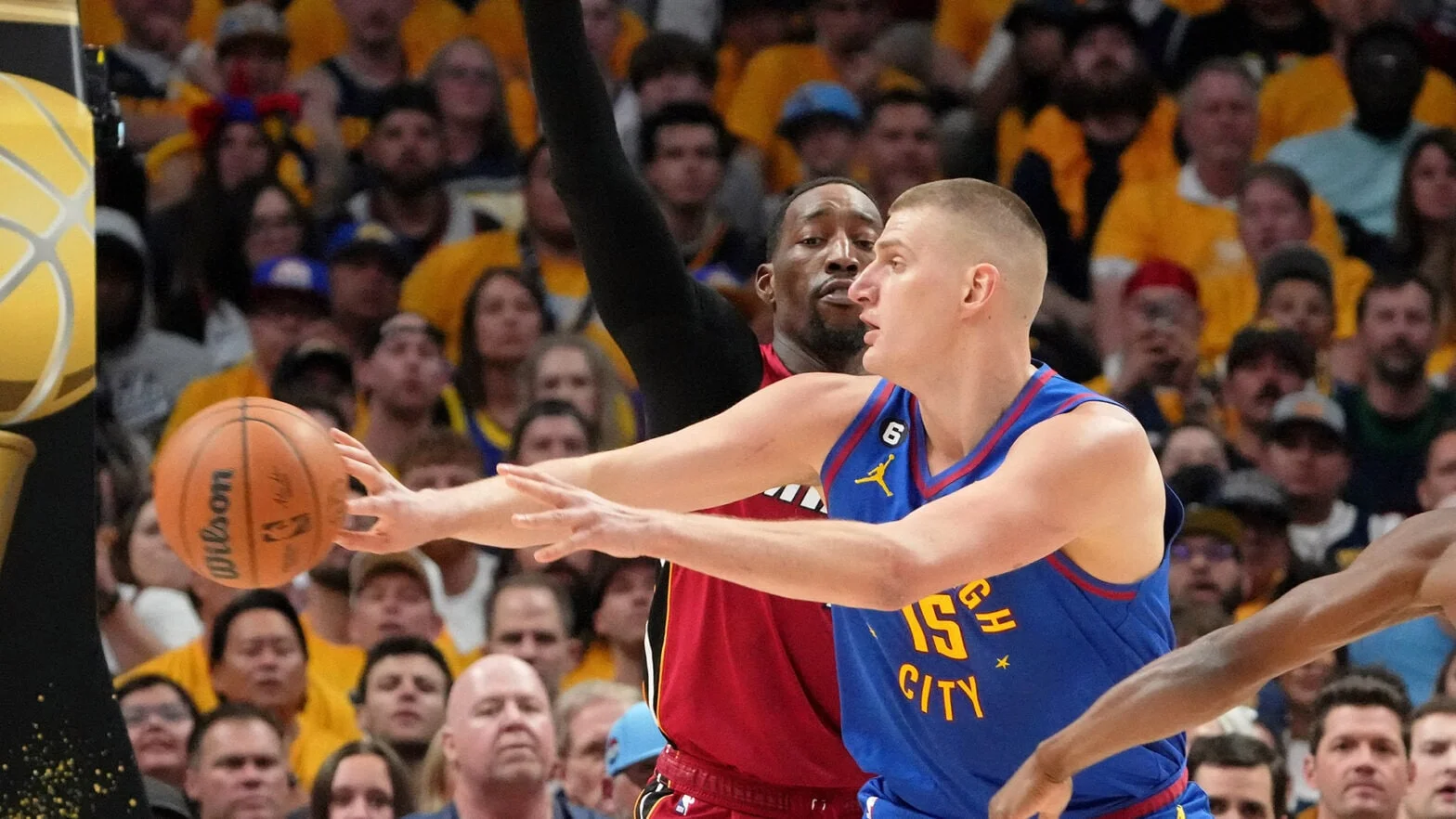
Nikola Jokić's 2022-23 point-center play provides a clear historical example. His position label did not prevent him from organizing possessions. To interpret a five, identify its creators, screeners, shooters, rebounders and defensive assignments separately. Having two listed guards does not guarantee two players who can reliably create an advantage against pressure.
Golden State opened a 2022 playoff game with Curry, Poole, Thompson, Wiggins and Green. That historical group illustrates why forcing a five into a traditional positional template can conceal its purpose. Evaluate what the combination offers and what it concedes: ball handling, space, size, switching options and rebounding. The chart's column labels alone cannot answer those questions.
A backup can replace a role without replacing every minute
Imagine a rim-protecting center is absent. A coach could start the next center, use a smaller group for part of the game and distribute additional rebounding responsibility to the wings. The backup would replace the starting position without reproducing every minute or defensive coverage. Alternatively, a versatile forward could move into the opening five while the conventional backup keeps his normal bench stint.
To read that change, follow the missing function rather than just the missing name. Who sets the first screen? Who protects the basket? Who handles the second unit? Those questions explain how a lineup can remain structurally similar with different players, or change its style despite replacing only one starter. They also prevent an unsupported assumption that the next name printed on a depth chart inherits the entire job.
The opening five does not tell you who will close
A coach can use the opening group to establish size, defensive matchups or a stable substitution rhythm, then finish with a different combination. A close game's last possessions ask specific questions: who can handle pressure, switch a screen, secure a rebound or make free throws? The best answer can depend on the score and opponent rather than the order printed on a depth chart.
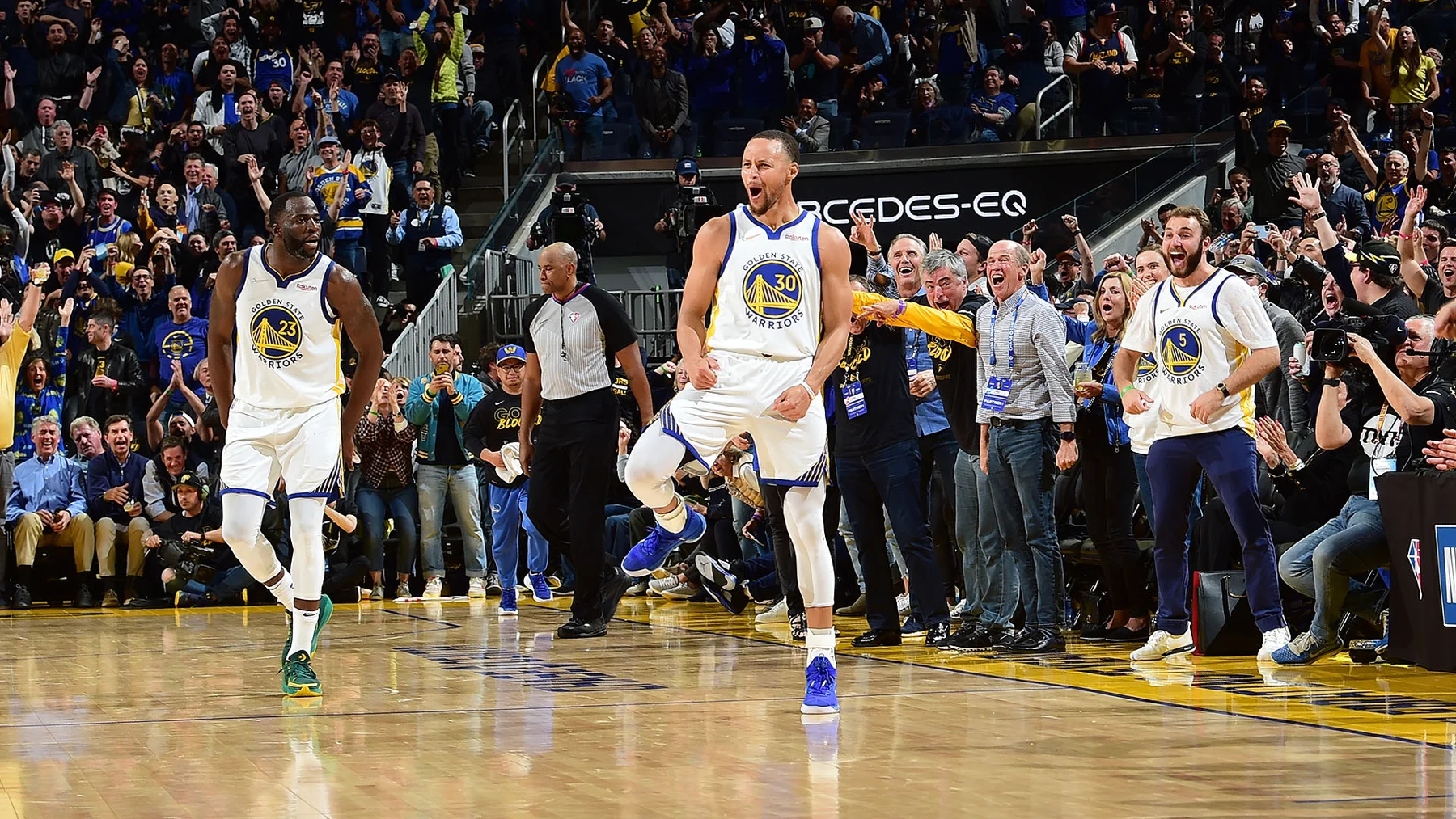
Stephen Curry scored 34 off the bench against Denver in April 2022. That historical example alone should discourage treating reserve status as a complete description of importance. Andre Iguodala's 2015 Finals role offers another perspective: he moved into the starting group during the series and ultimately won Finals MVP. Opening assignments can change because the matchup changes, not simply because a coach has rewritten an overall talent ranking.
Staggering is another reason the starting list can mislead. A coach may remove one creator early so he returns against the opponent's bench, while another creator stays with the starters. Both can be central to the offense without spending every major minute together. Watch the first substitutions and the beginning of the second quarter to understand the rotation plan. The opening tip does not reveal those later combinations.
Closing can also involve offense-defense substitutions across dead balls. A shooter might enter for a possession needing a three, then a stronger defender returns when the other team has the ball. Do not collapse those decisions into one permanent closing five without checking the actual sequence. Foul trouble, an injury, a large margin or an unusual opponent can make one night's final group a poor prediction of the next.
When evaluating a lineup change, compare the opening assignment, total minutes and meaningful late-game minutes separately. If a reserve plays the decisive stretch, record what problem he solved. That tells you more than declaring that he has automatically taken a starter's job.
Use lineup statistics without overreading a small sample
Net rating expresses scoring margin per 100 possessions. It helps compare efficiency across different playing speeds, but the number alone cannot tell you whether a new five is reliable. Read the sample beside the rating. An impressive figure from a handful of short appearances is a question worth investigating, not a reason to declare that the coach has found the league's best combination.
Compare possessions, opponents and the actual five players
Consider a deliberately simplified example: a group scores 24 points over 20 offensive possessions and allows 20 over 20 defensive possessions. That produces an offensive rating of 120, a defensive rating of 100 and a net rating of plus-20. In that tiny sample, one additional made three instead of a miss would change offensive rating by 15 points. The arithmetic is valid; the confidence implied by a dramatic headline may not be.
Check the exact five names, season, date range and competition type. A preseason group, a regular-season group and a playoff group face different contexts. A team's starters category can aggregate individual starter minutes without describing one unchanging five-player unit. Likewise, two combinations sharing four players are still different lineups. Make sure the statistic matches the claim you are evaluating.
Then inspect the opponents and game situation. Did the unit face another team's starters or reserves? Was the game close, or was the final margin already large? Did the opponent miss several open shots? A favorable short stretch can reflect shooting variation or matchup advantage rather than a permanently superior lineup. There is no single minutes threshold that removes every uncertainty.
Use the NBA's lineup statistics alongside the actual possessions. If you believe adding a shooter improved spacing, look for the defender's positioning and the resulting driving lanes, not just a positive rating. The data describes what happened with those players on court; film and context help you decide how much of it is likely to repeat.
Build a game-day lineup check that survives late changes
Start with the correct game on the NBA games today page, including its date, opponent and venue. Then follow a simple evidence sequence. Read the latest participation update, inspect the projected five, find the current coach or team confirmation, and check again if a late warm-up report changes the situation. Do not label the full sequence confirmed merely because its first step is official.
- Save the source and timestamp of the injury or availability update.
- Keep the opening five labeled projected until there is game-specific evidence.
- Record any explicit workload restriction separately from starter status.
- At tipoff, verify who actually begins and which defensive assignments they take.
- Afterward, compare the box score and substitution sequence with the pregame expectation.
Imagine a coach announces a reserve wing as a starter because the usual forward is unavailable. Your initial note might predict extra wing minutes, but it should remain a forecast. During the game, the coach could use more two-guard possessions or move another forward across positions. The starter announcement was correct even if your broader minutes prediction was wrong. Separating the two makes your analysis easier to update honestly.
Use the postgame record to ask what changed. Early foul trouble can distort the rotation without signaling a long-term demotion. A large lead can produce late combinations the coach would not use in a close finish. A matchup-specific switch can last one game. Compare several comparable contests before declaring that the depth chart has permanently changed, and note whether the relevant players were available in each one.
A useful final note contains three lines: the confirmed opening five, the important rotation change and the reason supported by reporting or possessions. If the reason remains uncertain, say so. This approach lets a fan follow late news, understand the coach's choices and recognize the difference between a change in who starts and a change in how the team actually plays.
Sign in with Google to join the discussion.