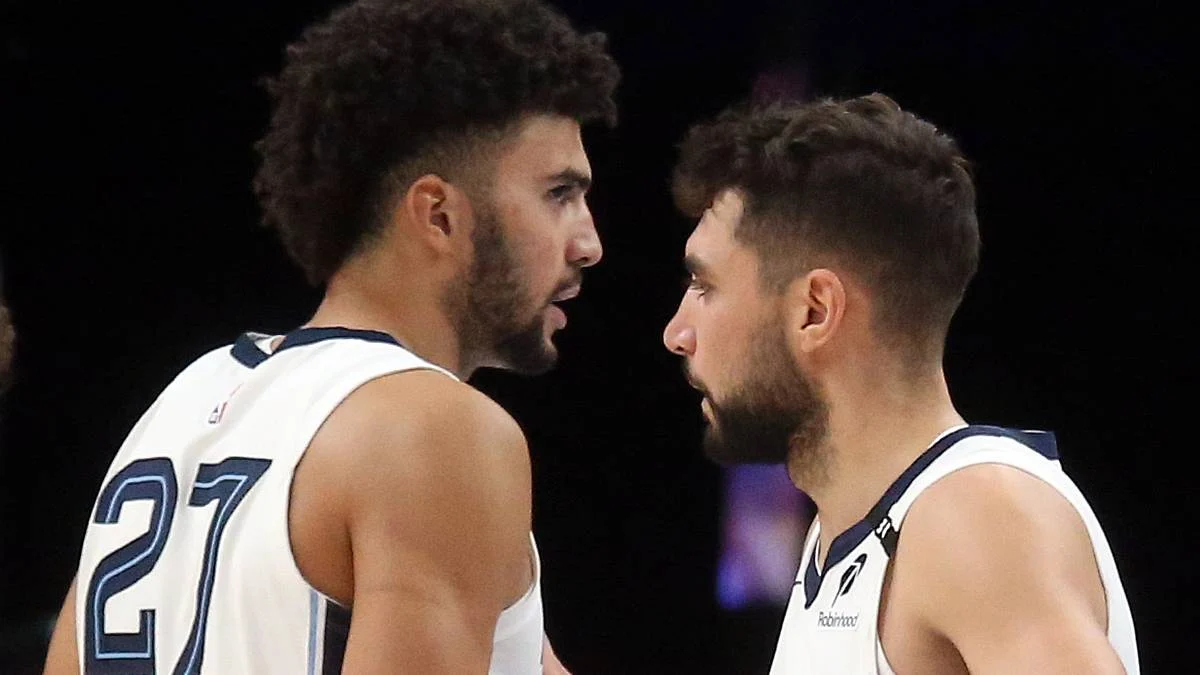
Four wins have changed the conversation in Memphis
Memphis enters its October 29 visit to Portland at 4-0, with Ty Jerome and rookie Cameron Boozer giving the opening week a different set of headline names. The latest completed win was 110-105 at Utah on October 26. That is the dated starting point for this analysis: four regular-season games, with the Portland result still to come.
The interest is justified. Winning immediately gives a changing team something concrete to build on, and a veteran guard producing far more offense than many fans expected is a legitimate story. A rookie contributing alongside him makes it more interesting. But the useful question is not whether four victories prove every optimistic forecast. It is which parts of the production can remain useful when the shooting cools, opponents prepare differently and the schedule becomes less forgiving.
The official team profile and Utah recap establish the record. They do not establish that Memphis has a settled playoff ceiling. A win is a real result; an explanation for why it happened needs attention to roles, shots, possession quality and the opponent. Treating those as separate questions allows fans to enjoy the start without pretending every new scoring average is already a permanent level.
Jerome and Boozer are particularly useful subjects because they invite two different evaluation errors. For Jerome, the temptation is to project an extraordinary scoring burst across an entire season. For Boozer, it is to judge each rookie shooting night as a complete verdict on readiness. The better approach is to keep the whole sample, identify what each player is being asked to do, and look for contributions that do not depend on the most flattering highlight.
Our roster guide supplies the broader personnel background. What follows concerns the games already played and the tests ahead, with no award result or season-long team ranking inferred from an unbeaten week.
Jerome’s start is bigger than one 31-point night
Jerome scored 45 in the opener, 28 against Golden State, 31 at Sacramento and 15 in the return game at Utah. That is 119 points across four games, or 29.8 per game when rounded. The sequence matters more than any single headline. It includes a spectacular opening night, another large scoring contribution on the road and a much less accurate game that Memphis still won.
Separate scoring opportunity from shooting accuracy
The NBA's statistical overview records 17-for-25 shooting, including 5-for-10 from three, in his 45-point opener. That level of conversion is part of why the start looked so dramatic. A larger offensive role can remain real even when that accuracy does not. To evaluate the change, separate minutes and responsibility from the percentage of difficult attempts that happened to fall.
Sacramento offered a different scoring route: Jerome had 31 points and made all 14 free throws. The official game recap confirms that line. Getting to the stripe can sustain offense on a night when outside shooting is less productive, but one game's foul volume is not a nightly entitlement. Defenders, officiating decisions and the way Memphis attacks a matchup all affect those opportunities. Projecting 31 points without considering how they arrived misses the most useful part of the game.
The Utah game belongs in the sample too
On October 26, Jerome scored 15 on 4-for-15 shooting and added eight assists. The NBA's next-morning roundup supplies that less flattering shooting line. It should stay in any honest assessment. The first three games produced 104 points, or 34.7 per game; including the fourth lowers the average substantially. That is what a tiny denominator does, even when the team keeps winning.
The assists also show why a scoring decline does not automatically erase his usefulness. A lead guard can continue organizing possessions and finding teammates when his own finish is unreliable. They do not prove every pass created a clean shot or that Memphis has already solved pressure defense. Watch whether Jerome gets the team into productive actions, controls turnovers and preserves options late in the clock. Those responsibilities are a more durable basis for evaluating the expanded role than demanding another 45-point night.
The encouraging claim is therefore specific: Memphis has received substantial creation from Jerome through four wins. The unproven claim is that his opening scoring average describes his full-season level. Fans can believe the first without committing to the second.
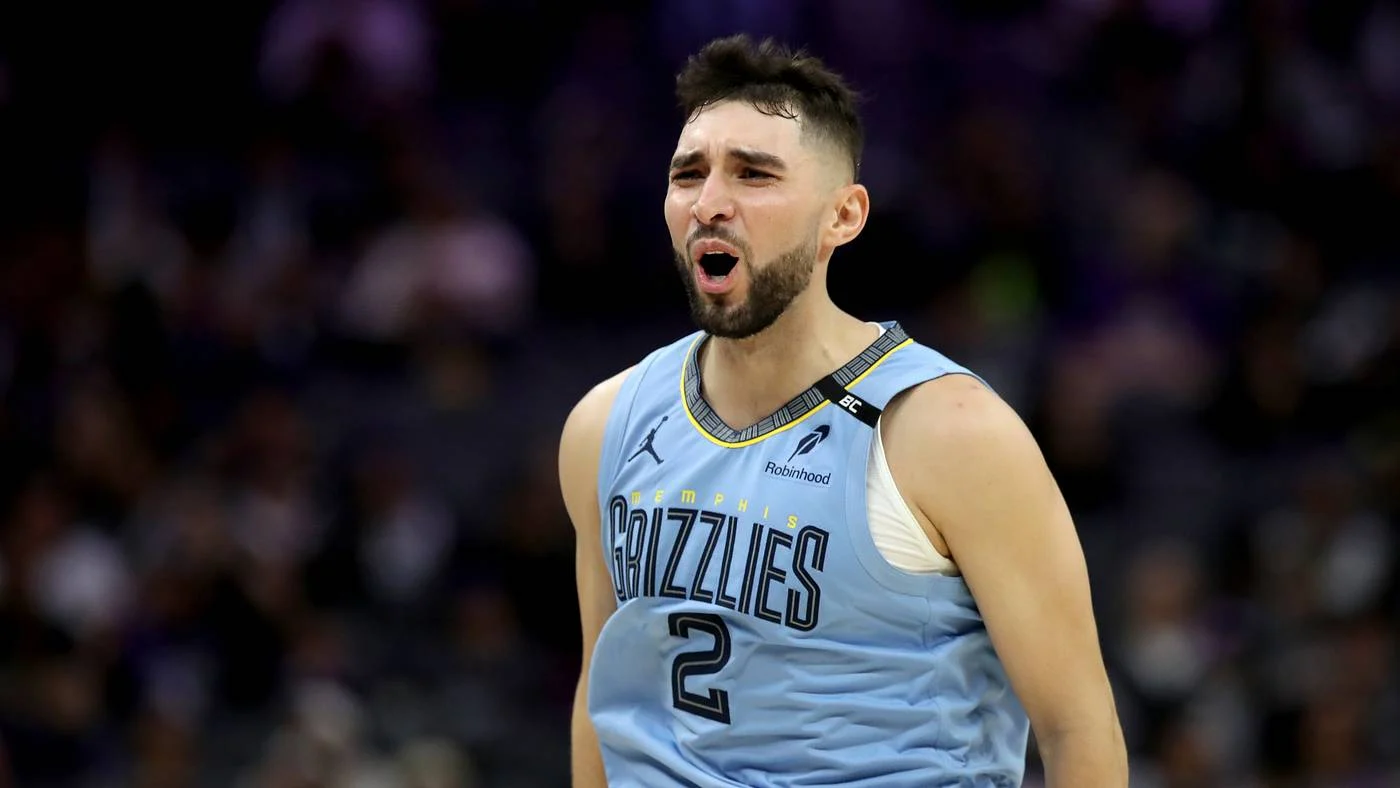
Boozer gives the new offense another decision-maker
Boozer's most encouraging early contribution is broader than a scoring race. Against Golden State on October 23, he delivered 25 points, 13 rebounds and six assists. That is an example of a rookie participating in several parts of a winning offense rather than waiting for a veteran to create every opportunity. It does not mean each part is already consistent.
For Memphis, another player capable of making a useful decision after the first pass is valuable. If Jerome draws extra attention and releases the ball, the offense needs the next receiver to act before the defense recovers. A forward who can shoot when left free, find a cutter or move the ball to the next side offers more possibilities than a possession that immediately returns to the lead guard. Those are the jobs to evaluate in Boozer's minutes, without assuming every assist came from the same action.
Productive rookie minutes do not require a finished star
The opener supplies an important contrast. Boozer scored seven on 2-for-15 shooting, yet collected 11 rebounds and five assists. It was an inefficient shooting debut with useful contributions elsewhere. The official opener recap records that mixed picture. Both parts should remain in the description. Calling it a complete failure ignores the other work; calling it proof that the shooting does not matter ignores a real limitation.
There is also a cost to learning with responsibility. His six-assist Golden State game included six turnovers in the official log. That is not a reason to remove every difficult read from his role. It is a reason to examine which decisions can become quicker and which risks are worthwhile. A rookie who tries the correct pass late may need different correction from one who repeatedly misses the same defender. The turnover count opens that question; it does not answer it.
The sustainable version of Boozer's role need not depend on matching his best night. It can begin with reliable rebounding, timely passing and increasingly selective shooting. Jerome benefits if the offense remains organized after he gives up the ball. Boozer benefits if he can make those decisions inside a functioning team instead of being required to create a complete star performance immediately. That interaction is more useful to track than treating the first rookie rankings as an award announcement.
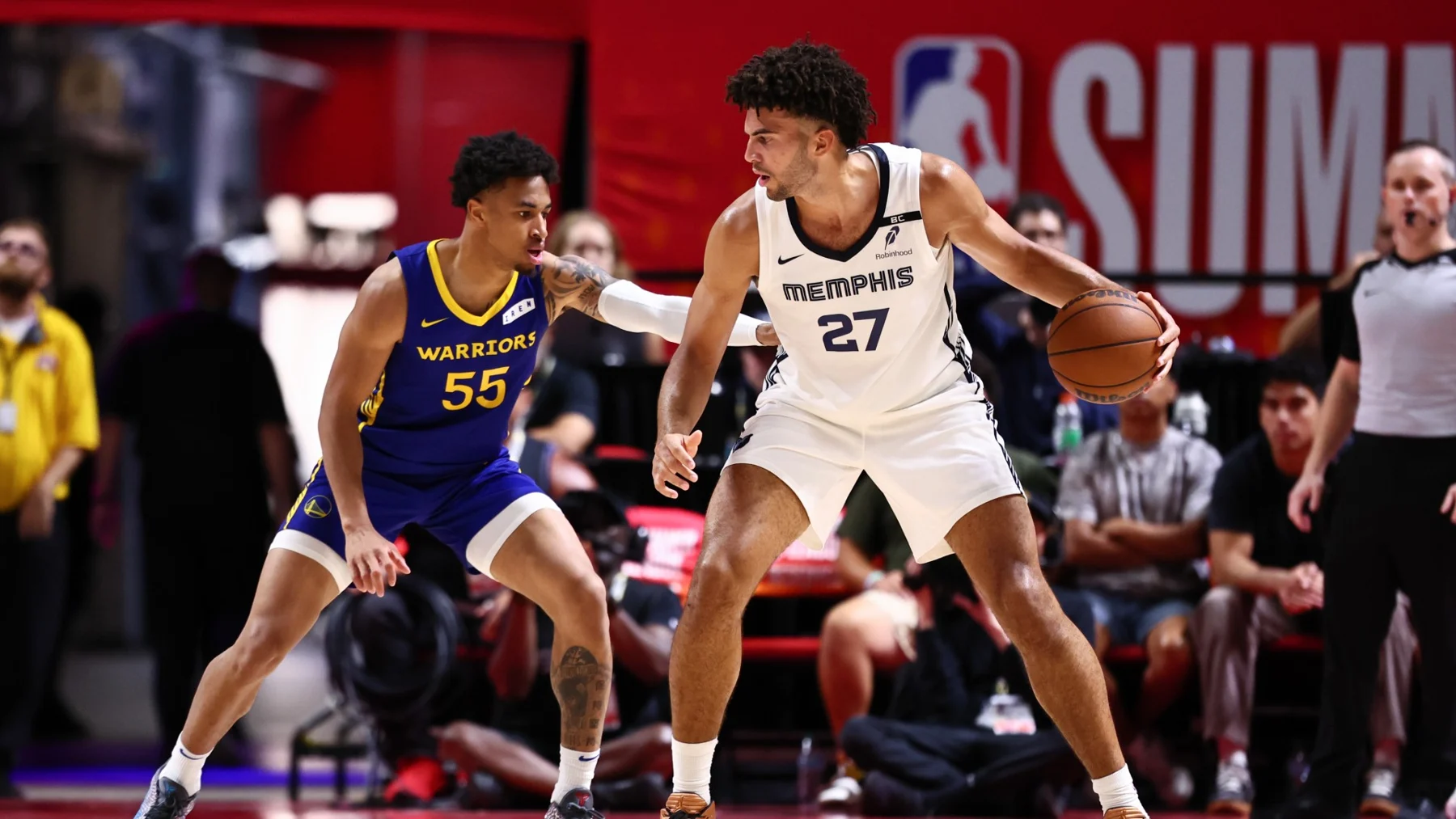
The early opponents are context, not a reason to erase the wins
The first four opponents were Utah, Golden State, Sacramento and Utah again. Half of the opening sample therefore came against the same team. That is a meaningful limitation when somebody treats the unbeaten start as evidence that Memphis has already answered a wide range of defensive looks. Four games are four standings results; they are not four independent demonstrations against entirely different roster constructions.
The results also were not identical. Memphis won the opener 123-103, beat Golden State 111-108, won at Sacramento 123-112 and then edged Utah 110-105. Those margins show both a comfortable opening result and games that required a tighter finish. The official Warriors recap and Kings recap keep the middle of the sequence visible rather than reducing the week to one highlight.
Opponent context should improve the explanation, not erase the wins. Memphis cannot choose a more impressive opponent after the schedule has been released. Beating the team in front of it is the required work. The limitation enters when projecting forward: an action successful against one group may face more length, stronger pressure or different help positioning against another. That possibility is a reason to keep watching, not evidence that the existing result was imaginary.
Early opponent records are themselves unstable. A team called winless one evening can change that label the next, while an established name can begin slowly. Adding several October records and presenting the sum as a definitive schedule-strength measure gives a fragile number too much authority. Include who actually played, whether the game was home or away and which constraints affected that particular matchup before making a larger comparison.
The strongest claim available now is that Memphis handled its opening assignments successfully, including road games and closer finishes. The untested part is breadth: how the same players perform across more opponents and more deliberate adjustments. Our season forecast provides a separate preseason baseline; the first four games are evidence to update that baseline gradually, rather than a demand to replace it with an extreme new certainty.
What must hold up when defenses adjust?
The next stage of the Jerome-Boozer story is less about adding another dramatic scoring line than preserving useful offense under different pressure. Defenses have reasons to make Memphis work harder for the first advantage. The Grizzlies need responses that involve the rest of the lineup, especially when the easiest route to Jerome's shot is unavailable.
Pressure on Jerome changes the next pass
If a defense sends a second player toward Jerome, the next receiver must decide quickly enough to use the space that leaves elsewhere. If the defender goes under a screen, the guard has a different shooting decision. If the defense switches, Memphis may have a matchup to attack but less of an immediate passing window. These are possible adjustments to watch, not a measured account of how often opponents have used each coverage.
Boozer's passing makes him a relevant part of that discussion, along with the other players who receive the ball after the initial action. The test is whether a first advantage becomes a second one. Does the pass arrive before help recovers? Is a cutter occupying the right space? Does the next receiver take an available shot or hold the ball until the defense resets? A possession can improve through a quick ordinary decision without producing a spectacular assist.
Finishing possessions matters at the other end
The team profile lists 50 rebounds per game and 107 opponent points per game through the start. Neither number proves an elite defense. Rebound totals depend on opportunities, and points allowed depend partly on pace. Still, they keep the discussion connected to more than Jerome's shotmaking. Memphis needs ways to win possessions when its lead scorer has a less accurate night.
Defensive rebounding is particularly worth following because the NBA's offseason assessment identified it as a major weakness in the previous season. The relevant improvement would be ending opponents' possessions reliably, not merely collecting a large raw total in a few games. Include box-outs and teammates securing the ball after a contest. A center can make the initial stop while a wing fails to finish the possession, or a forward can clear space for somebody else to take the rebound.
That broader standard gives the start a route to becoming meaningful. If Memphis handles pressure, creates useful second decisions and avoids giving back stops on the glass, it can remain competitive through less favorable shooting. Those are team tasks. Neither Jerome's points nor Boozer's rebounds alone can certify that they are complete.
Portland offers the next test, not a season verdict
The next scheduled game places Memphis in Portland on October 29 at 10 p.m. Eastern. The Trail Blazers enter 3-0, and their current roster includes former Grizzlies star Ja Morant. That makes the matchup more than another line in the calendar. It provides a different opponent and an obvious narrative around the role Jerome now occupies in Memphis.
The narrative should not dictate the basketball conclusion. Jerome does not need to win a personal scoring duel for Memphis to play well, and Boozer does not need a career-best night to make useful decisions. Compare the quality of the possessions, the teammates involved and how each team handles the other's strengths. Check the final availability reports rather than assuming the roster list guarantees that every named player will appear.
For Jerome, watch whether the first pass out of pressure leaves Memphis with an advantage or merely starts the possession over. For Boozer, watch the speed and selection of the next decision. At the other end, look for possessions completed after the first contest. Those observations can deepen the evaluation even if the final result turns on a few late shots.
A Memphis win would strengthen the opening evidence without proving an entire season. A loss would end the unbeaten start without erasing the first four victories or automatically disproving the expanded roles. The useful adjustment is proportional: identify what the new opponent exposed and whether Memphis has a plausible response. Follow the daily schedule and team calendar as that evidence accumulates.
Jerome's scoring and Boozer's varied contribution have earned attention. The next stage is to show that their roles remain useful under pressure and through ordinary shooting nights. That is a substantial basketball story already. It does not need an October award coronation to matter.
Sign in with Google to join the discussion.